What defines an aikuchi mounting compared to a standard tanto?
Updated Feb 2026
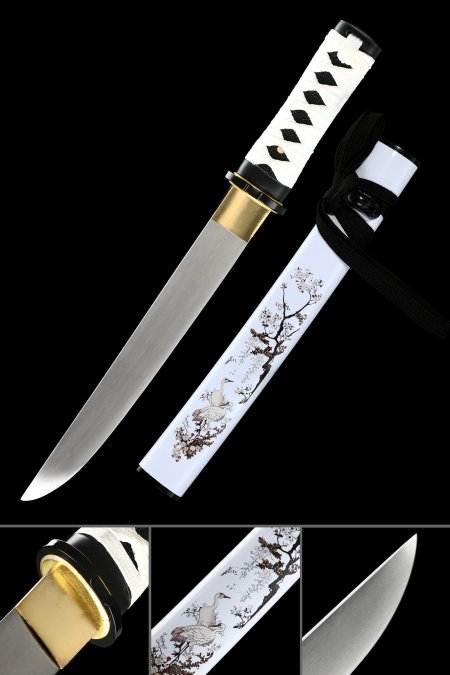
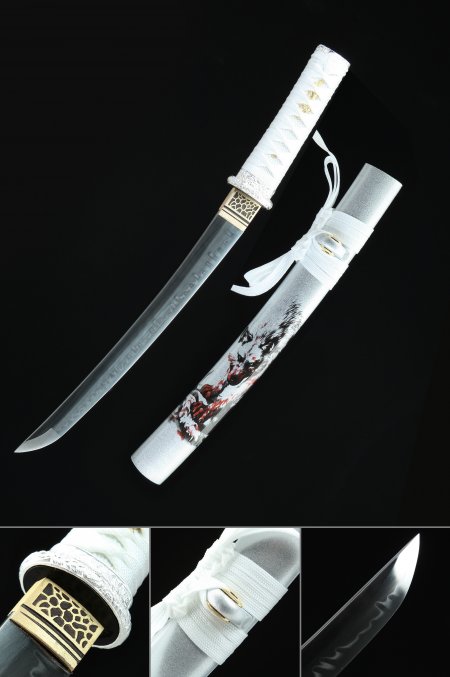
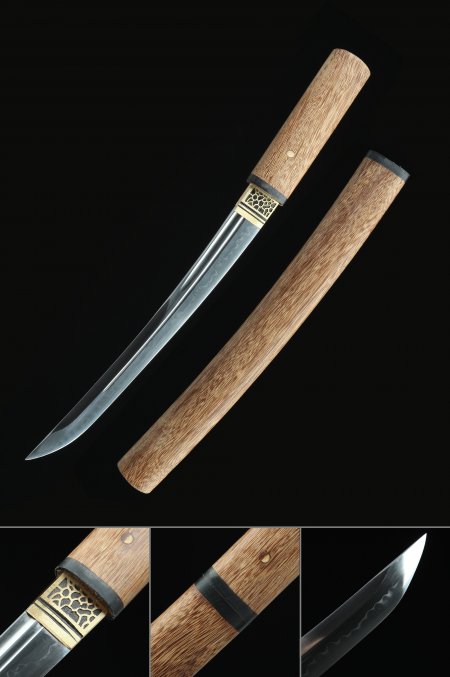
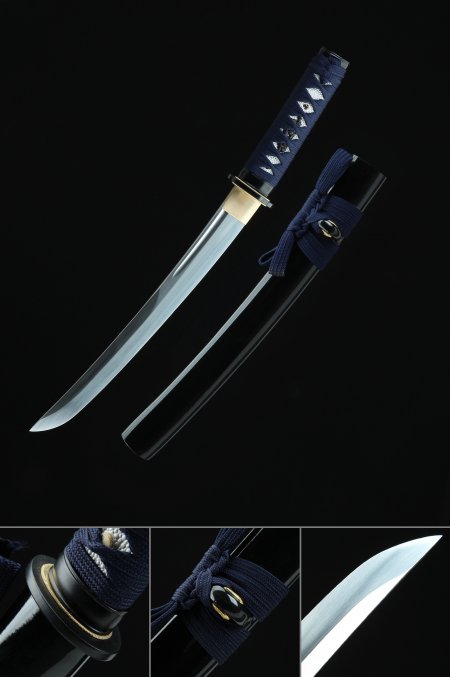
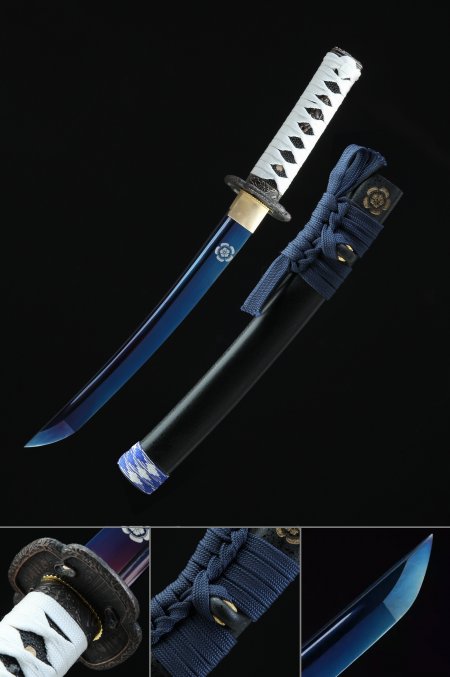
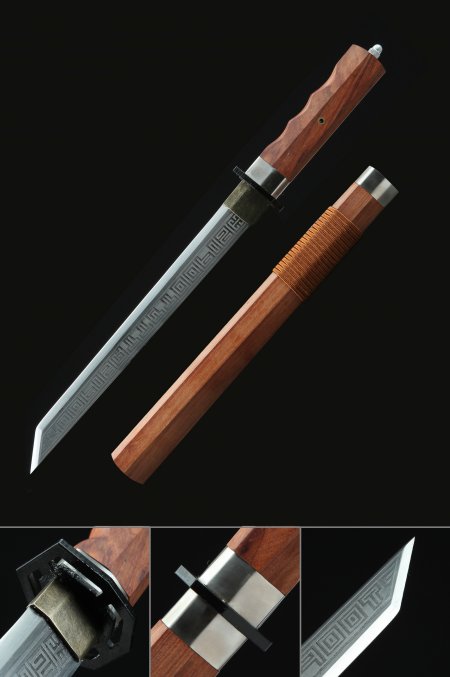
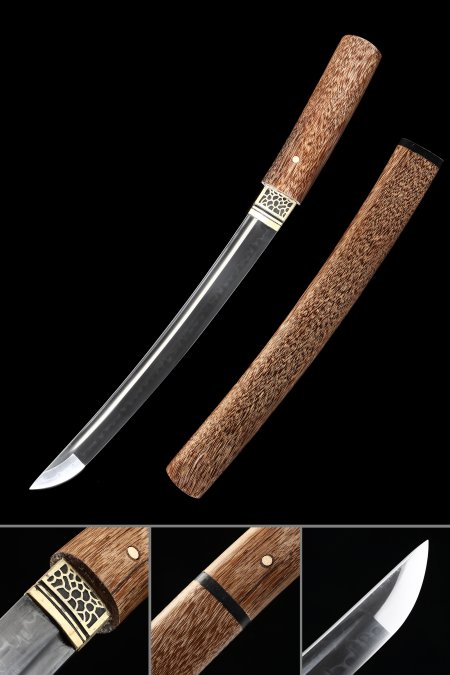
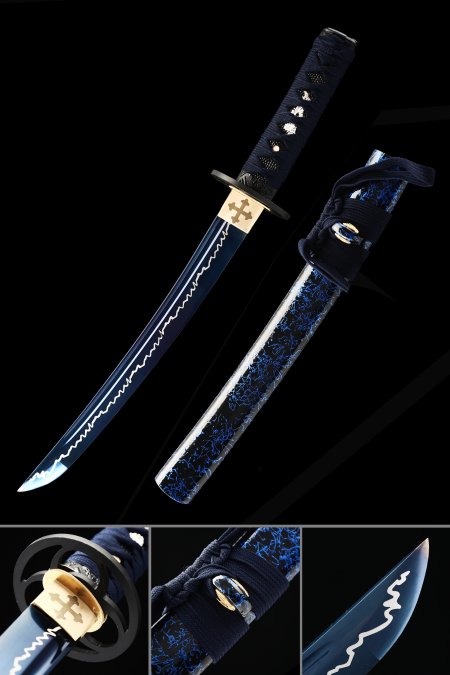
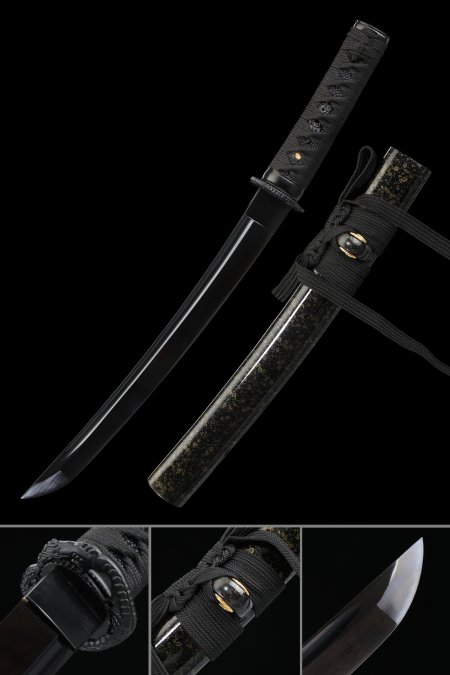
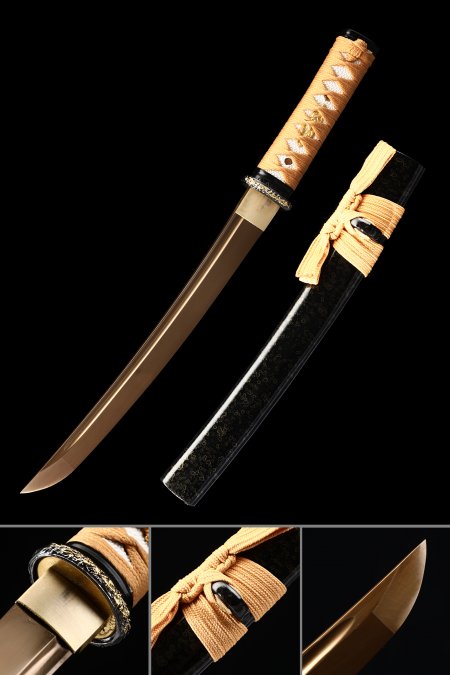
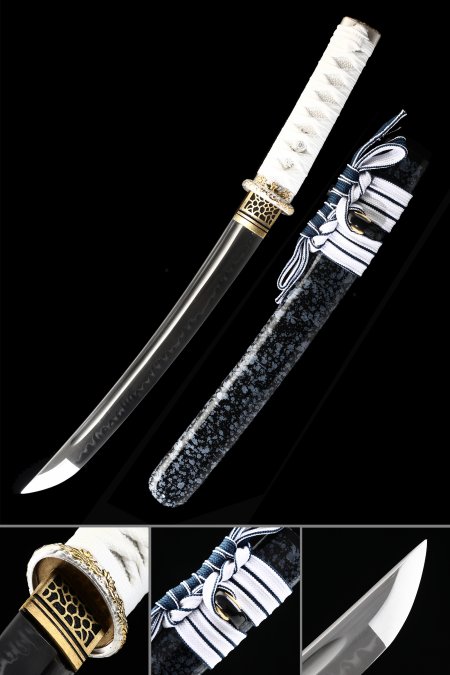
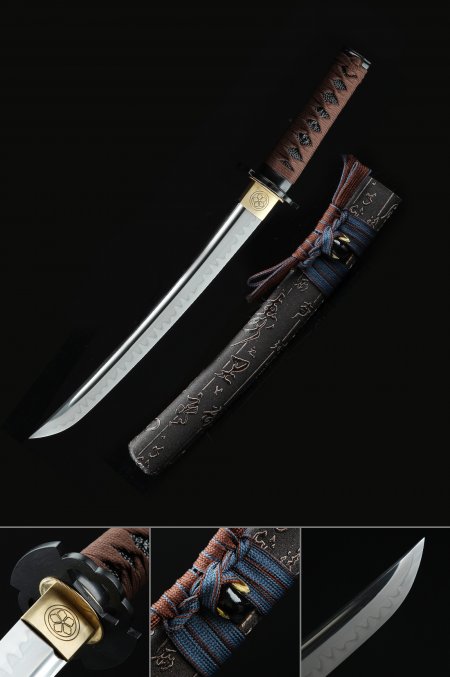
An aikuchi is characterized by the complete absence of a tsuba, or handguard. In a standard tanto mounting, a small tsuba sits between the handle and the saya, providing a visual and physical separation. The aikuchi eliminates this element entirely, so the kashira end of the handle meets the koiguchi of the scabbard in a flush, uninterrupted line. Historically, aikuchi mountings were favored by Japanese nobility and court officials who carried short blades as status symbols rather than battlefield implements. The guardless design demanded more precise fitting between components, making it a showcase of the saya maker’s skill. This is why collectors often regard aikuchi pieces as some of the most refined examples of Japanese sword craftsmanship.