What is Damascus pattern steel and how does it affect a naginata's appearance?
Updated Feb 2026
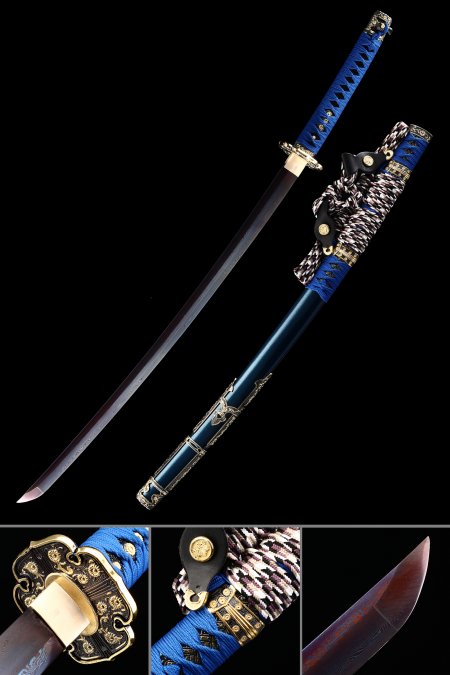
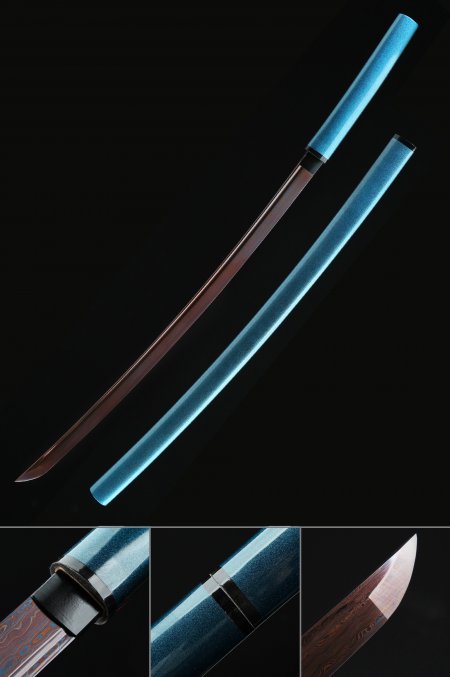
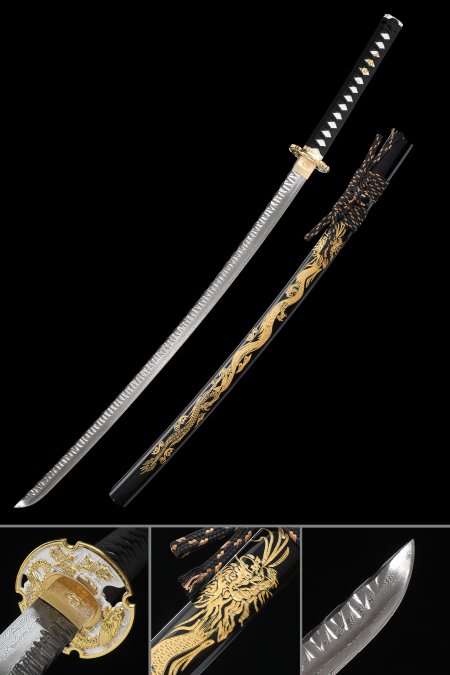
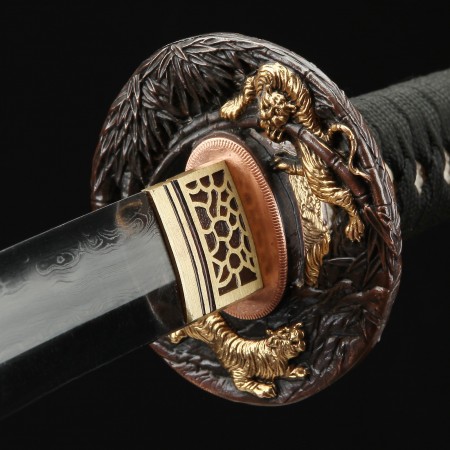
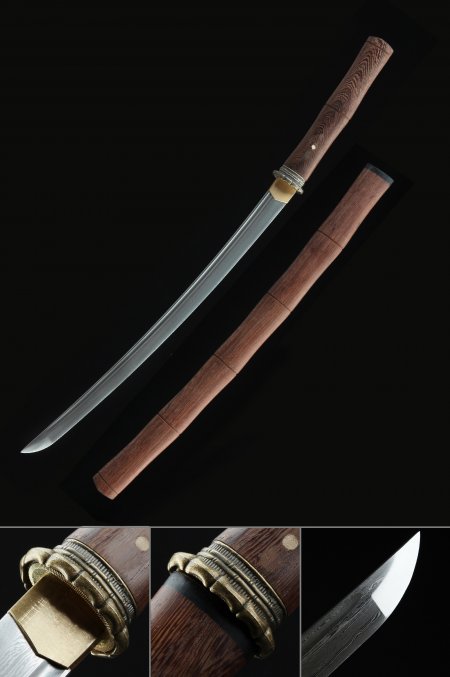
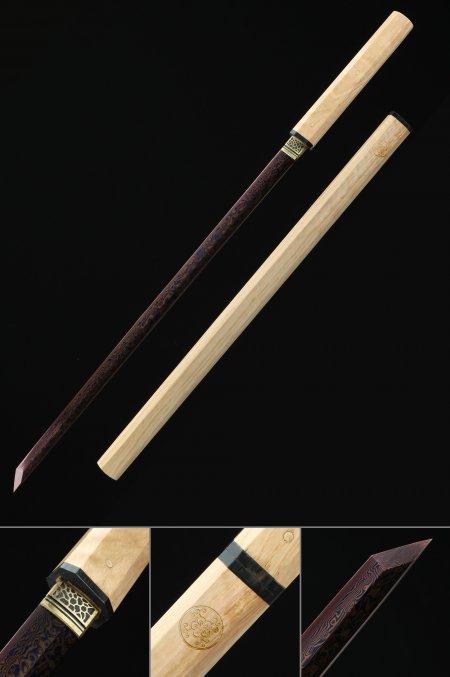
Damascus pattern steel is created by forge-welding multiple layers of different steel alloys together, then folding and hammering the billet repeatedly. The result is a blade with visible flowing lines, swirls, or ladder patterns embedded in the metal itself — not etched or printed on the surface. Each Damascus naginata blade is essentially one-of-a-kind because the folding process produces unrepeatable grain structures. When paired with a black finish or acid etch, the contrasting steel layers become even more pronounced, giving the blade a textured, almost topographic look. Beyond aesthetics, the layered construction distributes stress across many micro-boundaries within the steel, contributing to a resilient and visually captivating collectible.