How does the hamon on a tamahagane katana form naturally?
Updated Feb 2026
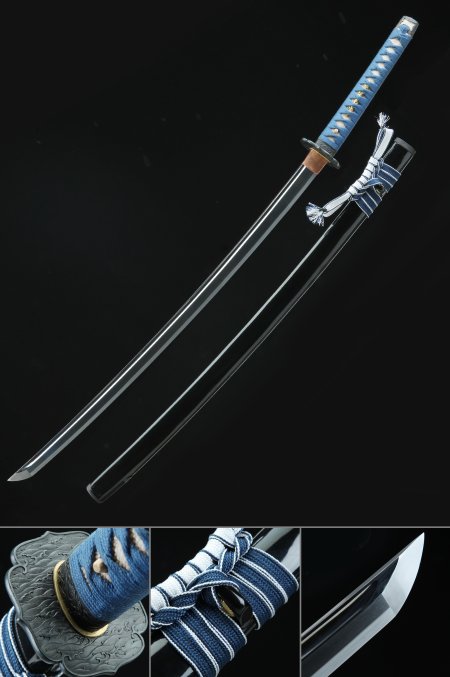
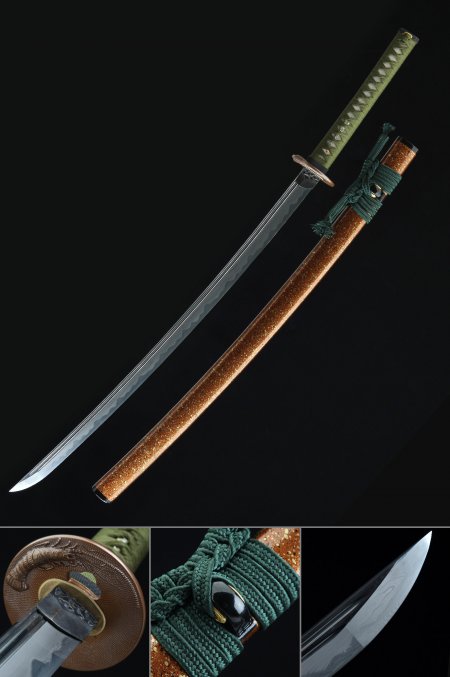
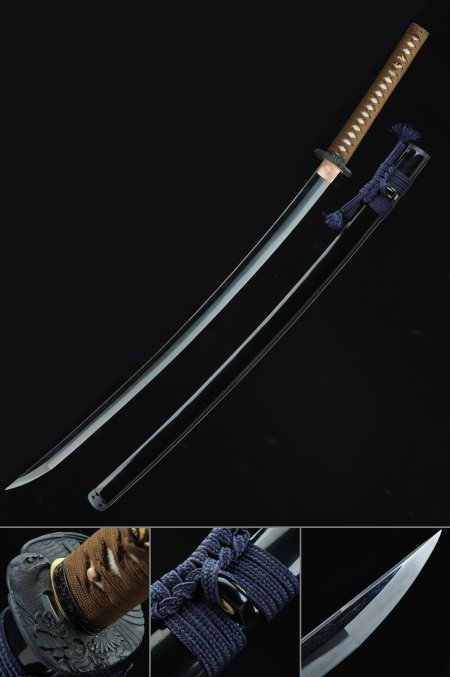
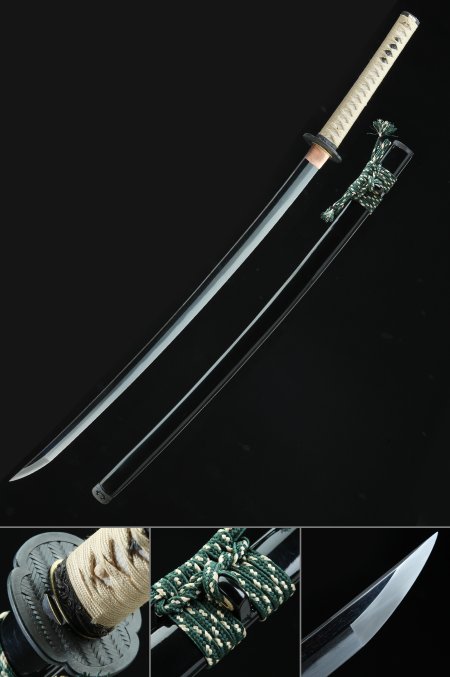
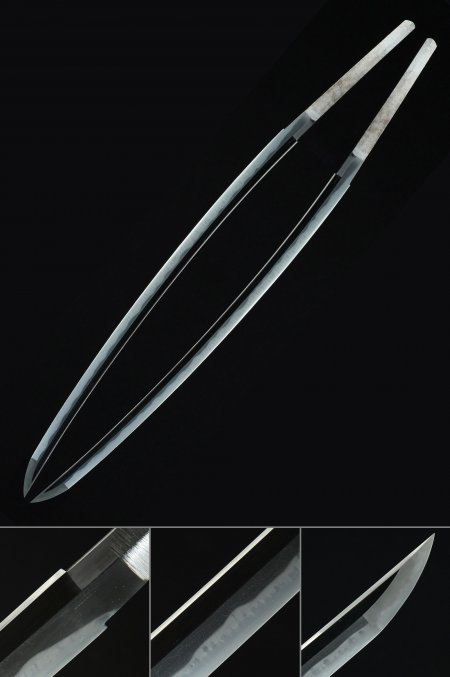
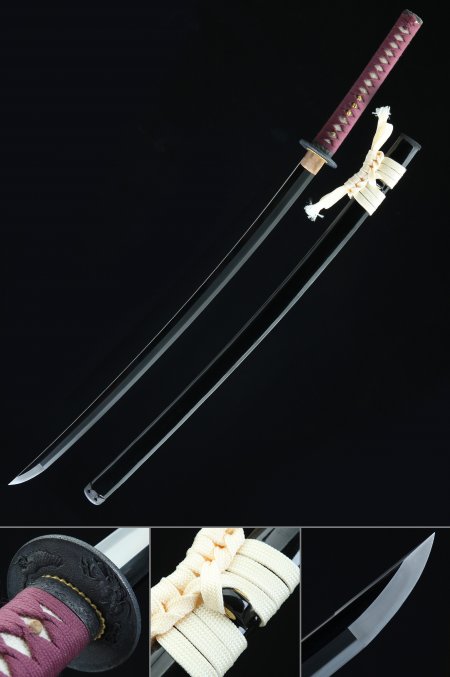
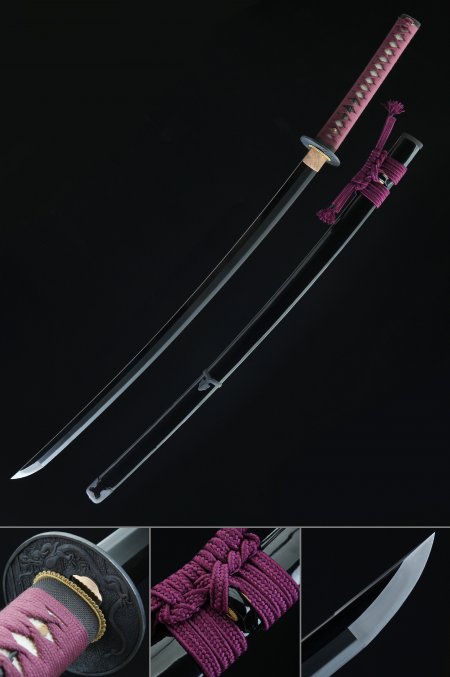
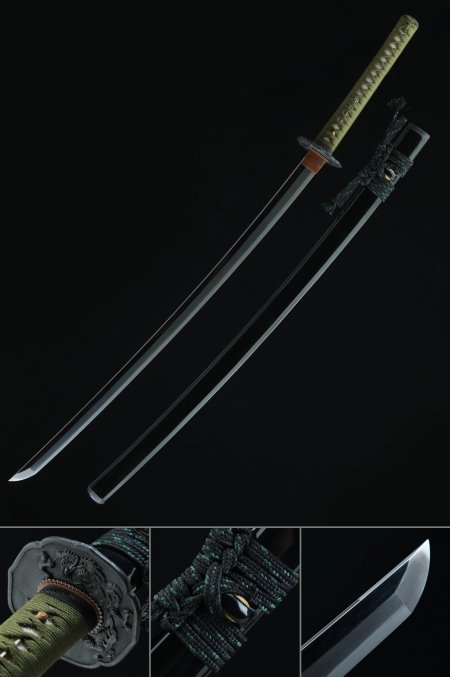
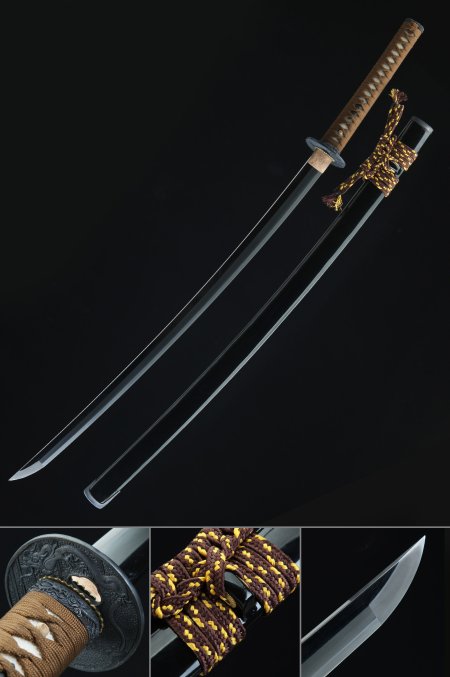
The hamon is created during a process called differential clay tempering (tsuchioki). Before hardening, the smith applies a mixture of clay, charcoal powder, and ash to the blade in a specific pattern — a thin layer along the cutting edge and a thicker layer over the spine and flats. When the heated blade is quenched in water, the thinly coated edge cools rapidly and transforms into hard martensite crystal, while the thickly insulated body cools slowly and retains a softer pearlite structure. The boundary between these two metallurgical phases is the hamon. Because the clay application is done by hand and quenching dynamics vary with temperature and timing, no two hamon lines are identical. On a well-polished tamahagane blade, you can also observe nie and nioi — individual martensite crystals visible as bright particles along the hamon — which connoisseurs use to evaluate quality.