How does T10 steel differ from Damascus in these katana collectibles?
Updated Mar 2026
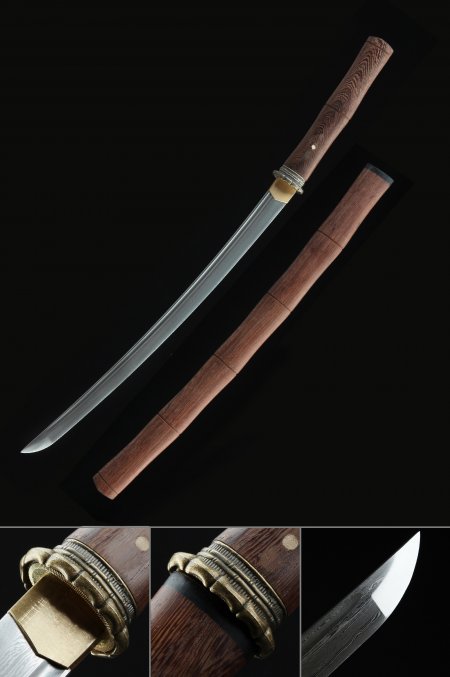
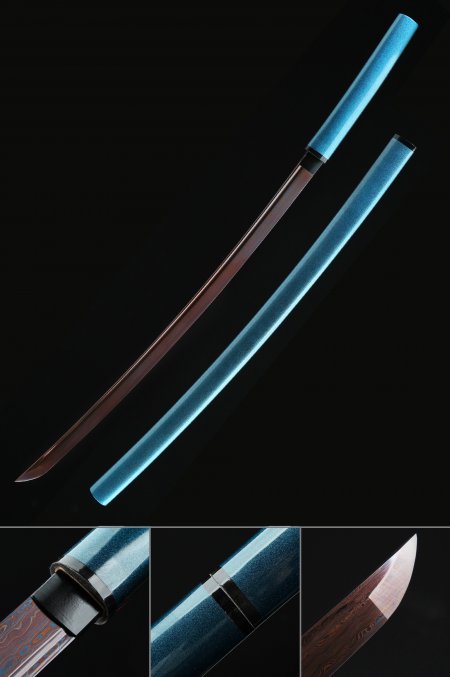
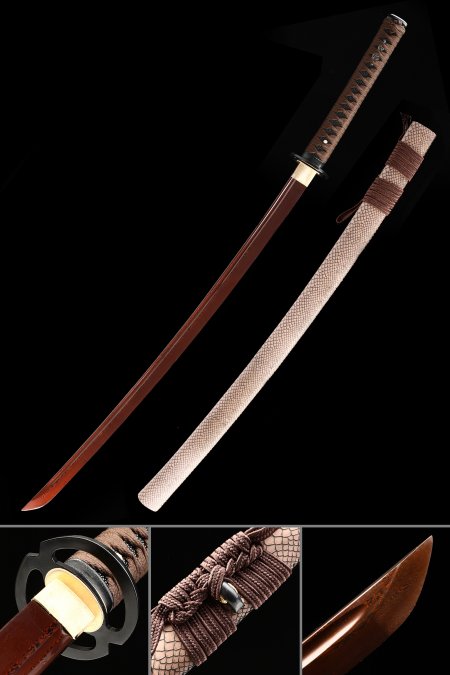
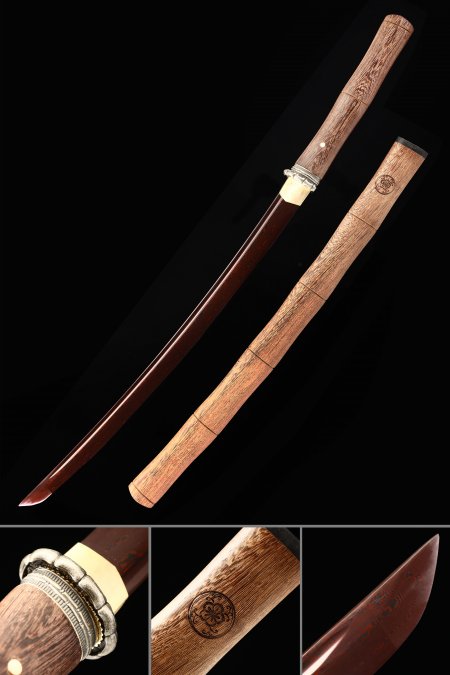
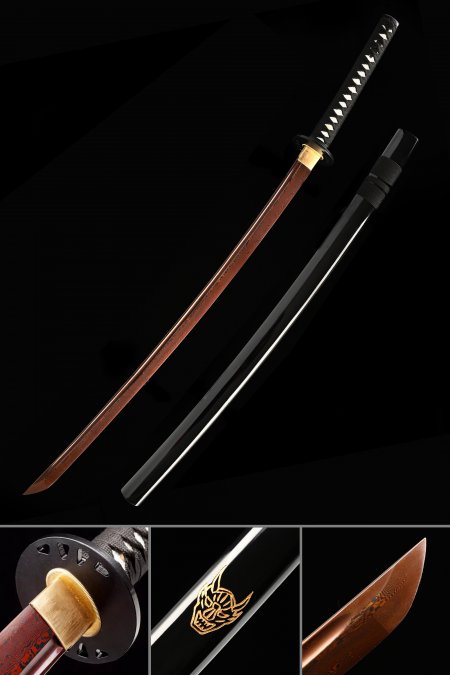
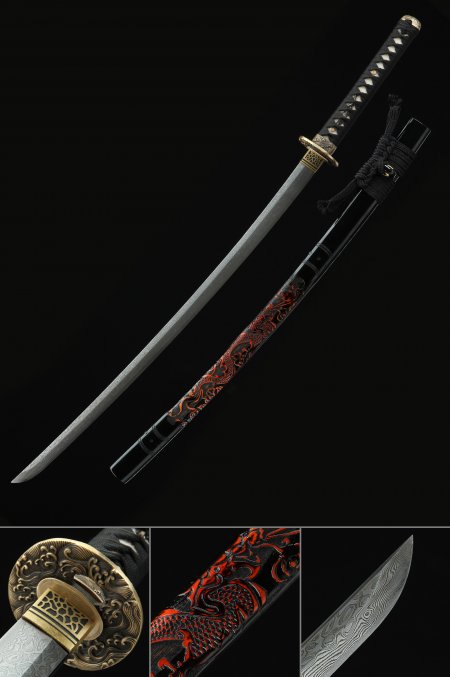
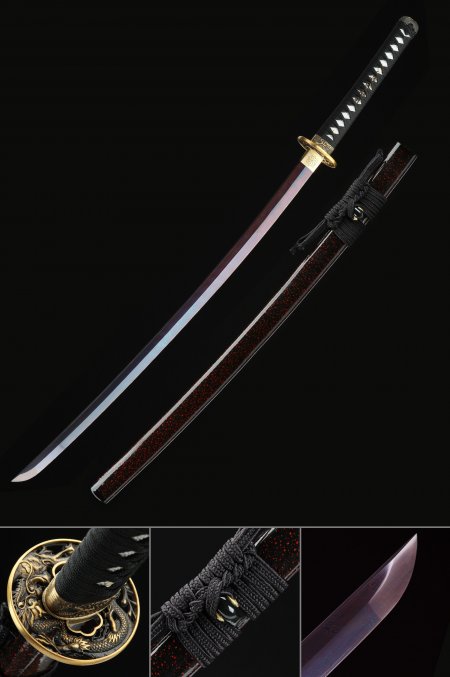
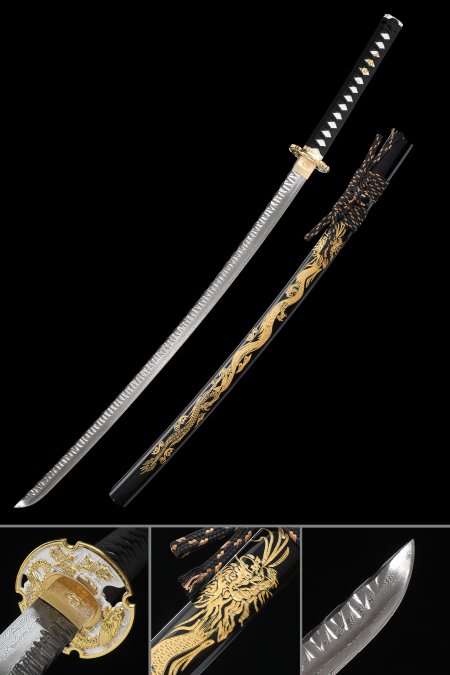
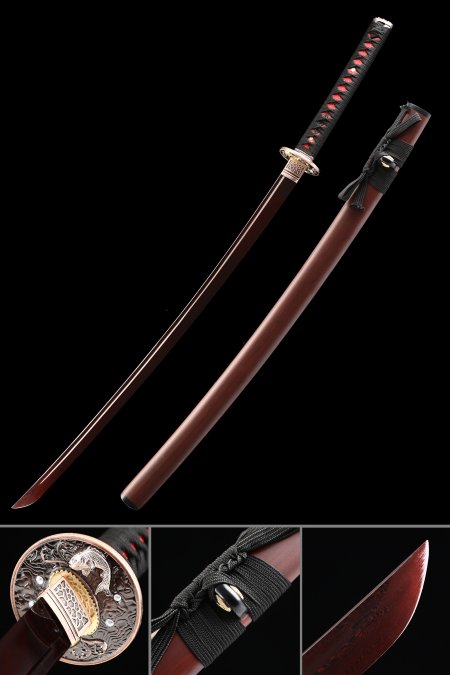
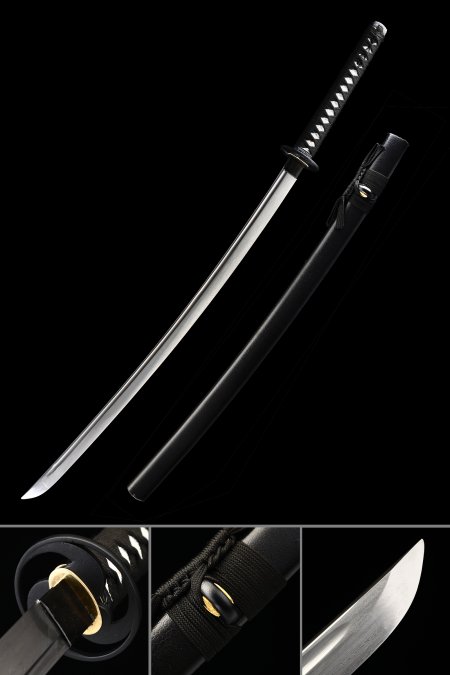
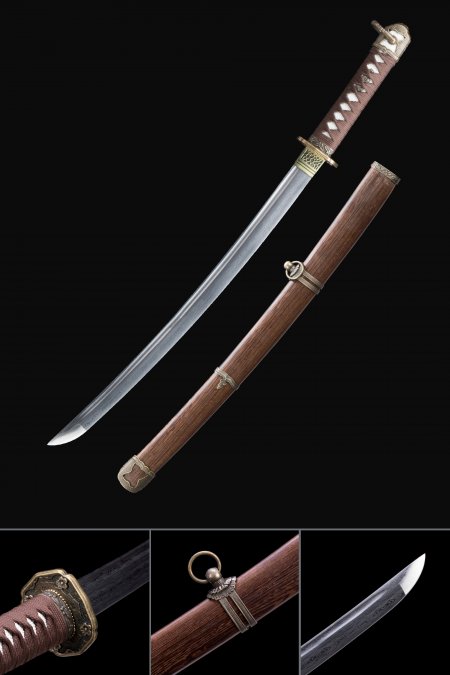
T10 is a high-carbon tool steel with a small tungsten addition that refines grain size and supports a genuine differentially tempered hamon - the wavy activity line visible along the blade's edge. Each T10 blade produces a unique hamon pattern, which many collectors consider a mark of authenticity and craft. Damascus steel, by contrast, is created by forge-welding layers of high- and low-carbon steel together, then acid-etching the surface to reveal flowing, wood-grain-like patterning across the entire blade face. Damascus collectibles are prized for their surface visual complexity, while T10 pieces are valued for the hamon's organic character. Neither is superior - the choice depends on whether you are drawn to surface pattern or to the tempering line as the blade's defining feature.