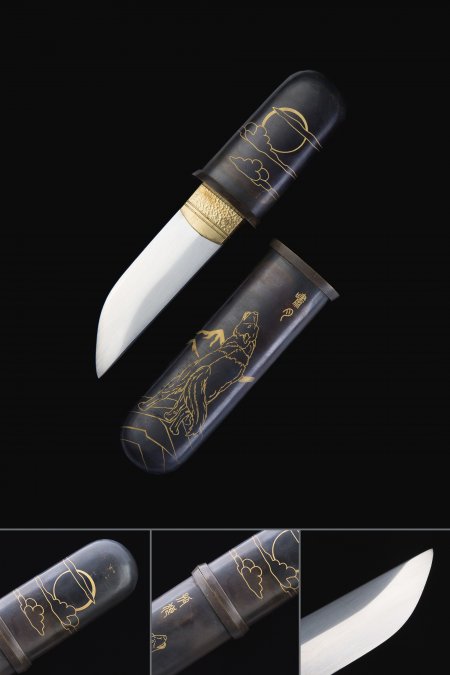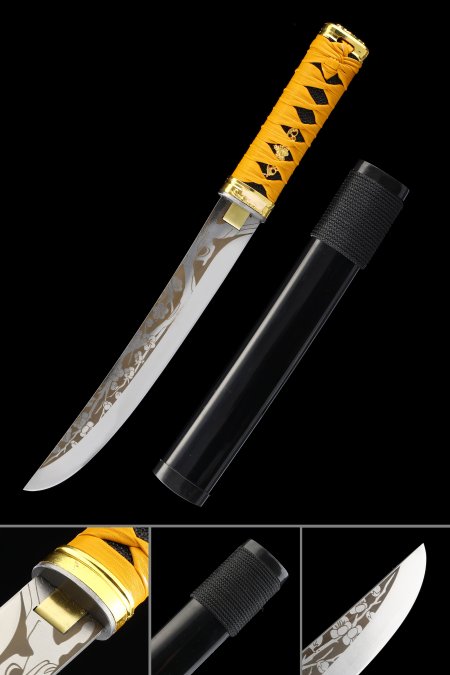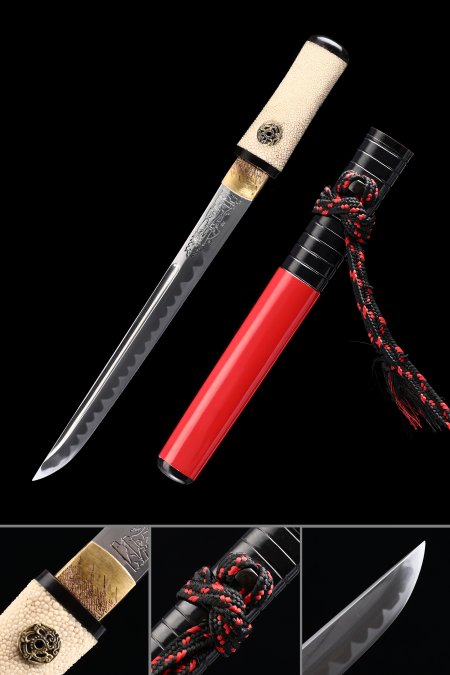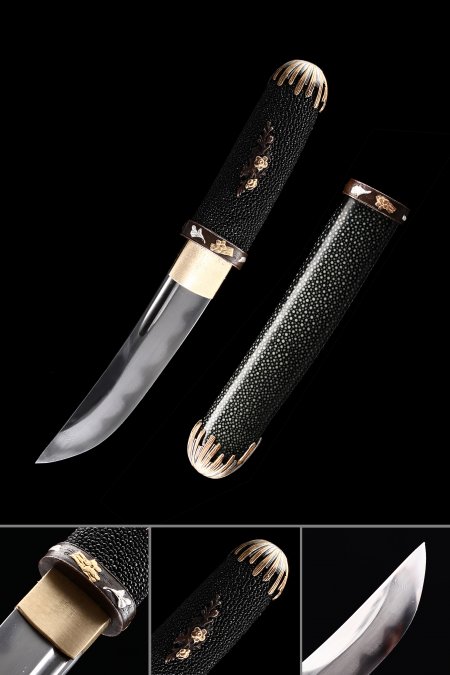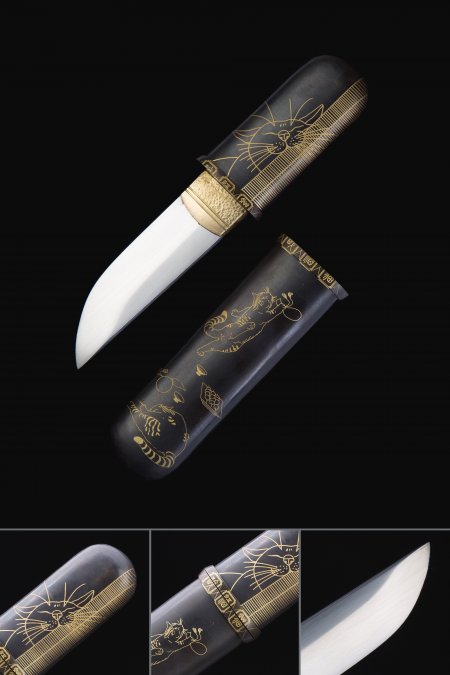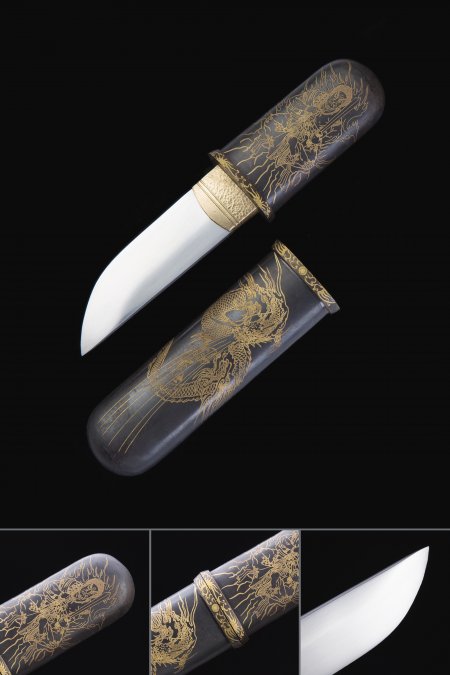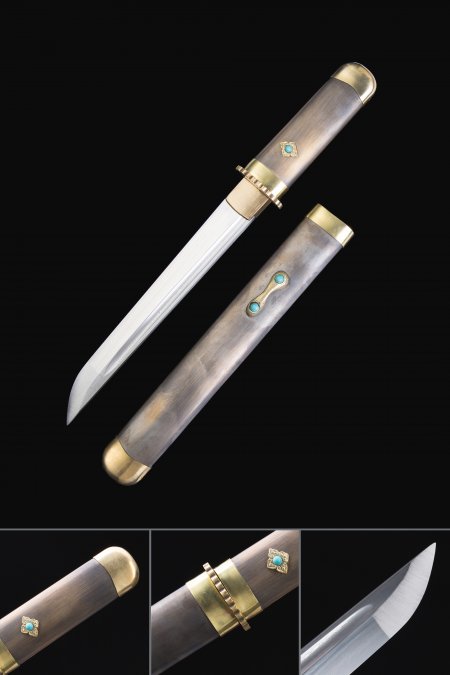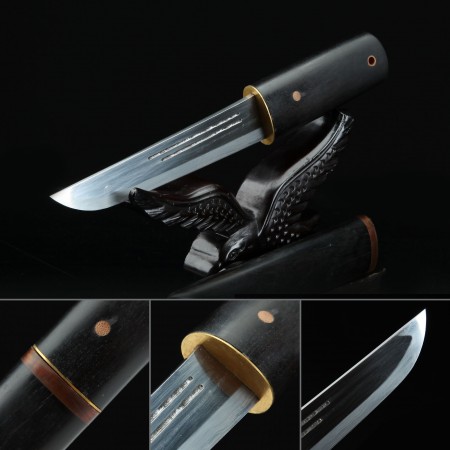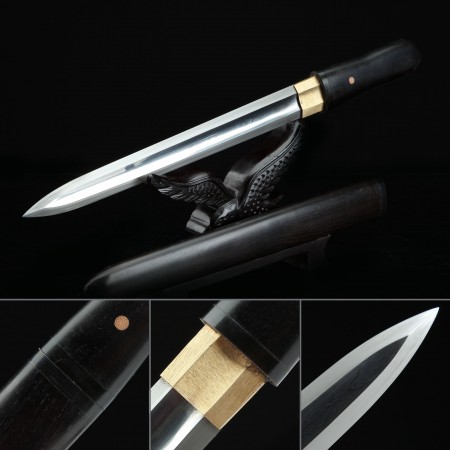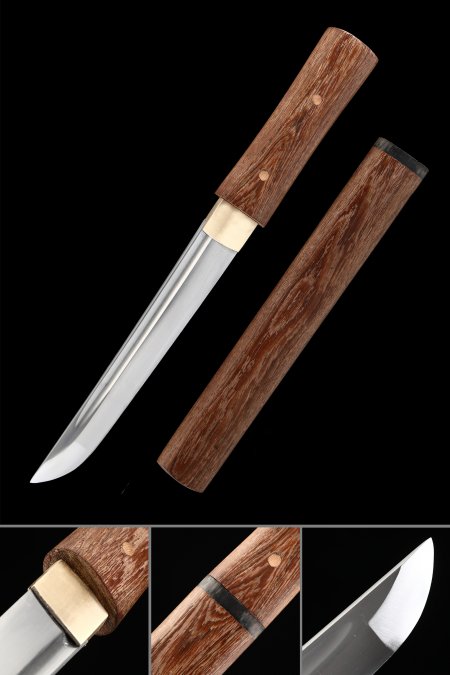
Plain Tsuba Aikuchi

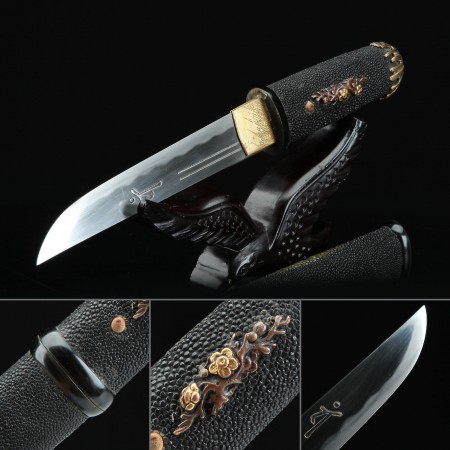
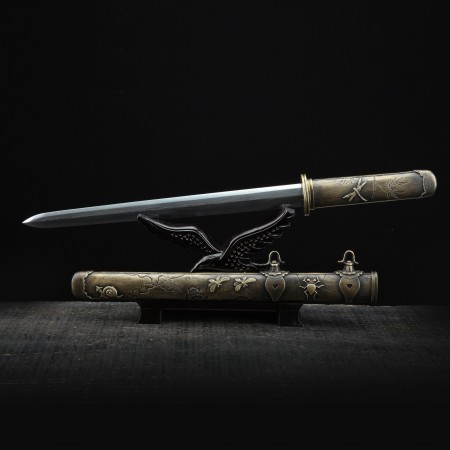
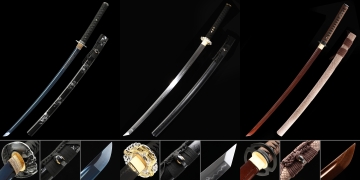
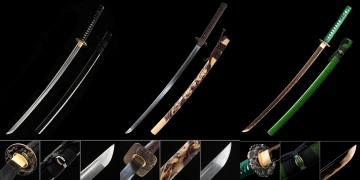
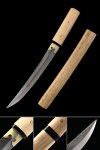
The aikuchi tanto is defined by its guardless design — blade and handle meeting in clean, uninterrupted lines that reflect the refined aesthetic of classical Japanese short swords. Each piece in this collection is crafted for display and appreciation, showcasing hand-forged steel, carefully fitted saya, and meticulous fittings that reward close inspection. Free standard shipping is included on all orders, and we stand behind every collectible with a straightforward return policy.
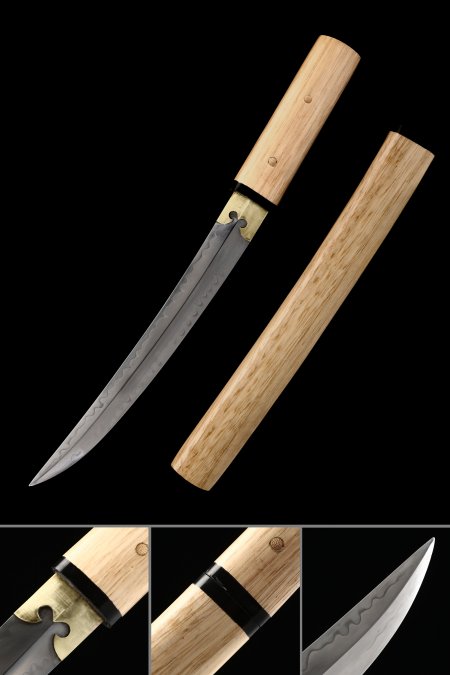
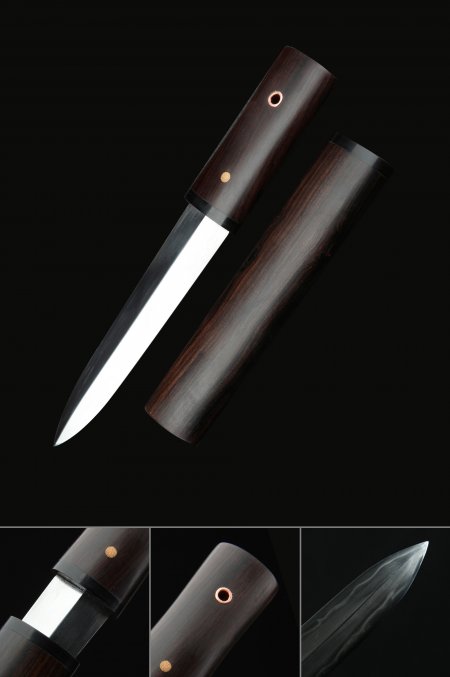
Showing 14 Products

Related Collections

Tanto Blade79 items


382 Reviews

Straight Blade Katana22 items


11 Reviews

Dragon Blade Katana108 items


372 Reviews

Bronze Tsuba Katana137 items


658 Reviews

Frequently Asked Questions

What makes an aikuchi different from a standard tanto?
The defining characteristic of an aikuchi is the complete absence of a tsuba — the hand guard that typically separates the blade from the handle on Japanese short swords. On a standard tanto, the tsuba acts as both a functional separator and a decorative element. The aikuchi eliminates it entirely, allowing the habaki (blade collar) and the handle collar to meet flush. This creates a seamless, uninterrupted line from pommel to blade tip. Historically, the aikuchi was associated with courtly and civilian use in Japan, where a discreet, elegant appearance was valued. For modern collectors, this guardless design is appreciated for its minimalist sophistication and the way it places full visual emphasis on the quality of the steel, handle materials, and saya craftsmanship.
How does Damascus steel differ from T10 steel in these tantos?
Damascus steel and T10 steel represent two very different approaches to blade craft, each with its own visual and structural signature. Damascus is produced by forge-welding multiple layers of high and low-carbon steel, then folding and manipulating the billet to create flowing surface patterns — every blade is visually unique. The layering process also creates subtle variations in surface texture that collectors find compelling up close. T10, by contrast, is a high-carbon tool steel known for its ability to develop a genuine hamon — the misty temper line that forms along the blade edge after differential clay-tempering and quenching. A real hamon is a mark of traditional heat-treatment technique and is highly sought after by serious collectors. If you prioritize dramatic visual patterning in the steel itself, Damascus is the natural choice. If you value classical Japanese blade aesthetics and the evidence of traditional tempering craft, T10 with a real hamon is particularly rewarding to study and display.
What saya materials are used in this collection, and do they matter?
Saya material plays a significant role in both the display character and the long-term preservation of a collectible tanto. This collection includes saya in natural sandalwood, rosewood, gray hardwood, bronze metal, and lacquered wood in black and red finishes. Wooden saya — particularly in dense, oily hardwoods like sandalwood and rosewood — are prized for their natural grain, pleasant scent, and slight natural moisture regulation. Lacquered saya offer a polished, formal appearance and are historically associated with high-status pieces; engraved lacquer with gold motifs adds a decorative layer that transforms the scabbard into its own art object. Bronze metal saya are a distinct luxury choice with a weighty, sculptural presence entirely unlike wood. For display purposes, the saya is the first thing a viewer sees when the piece is mounted or resting, so its material and finish are as meaningful as the blade itself.
How should I store and maintain an aikuchi tanto for long-term display?
Proper storage is essential for preserving both the blade and the handle materials of a collectible tanto. For the blade, apply a thin, even coat of neutral blade oil — choji oil is traditional — every few months, or more frequently in humid climates. Use a clean, lint-free cloth or dedicated wiping paper (uchiko is traditional but optional for display pieces) to remove old oil before reapplying. Avoid touching the blade surface directly with bare hands, as skin oils accelerate surface oxidation on high-carbon steels. Store the piece horizontally or at a gentle angle in a display case with moderate, stable humidity — extreme dryness can cause wooden handle components and saya to crack, while excess moisture encourages rust and loosens rayskin wrapping. Keep the tanto away from direct sunlight, which fades lacquer finishes and can dry out natural wood. A paulownia wood box or a lined display case provides ideal conditions for long-term preservation.
Is an aikuchi tanto a good collectible gift for a Japanese sword enthusiast?
An aikuchi tanto makes an excellent gift for collectors who already own one or more katana and are looking to deepen their appreciation of Japanese blade culture beyond the long sword. The aikuchi’s guardless design represents a specific and historically meaningful aesthetic tradition that serious enthusiasts find genuinely interesting — it is not simply a smaller katana, but a distinct form with its own historical context and design logic. Pieces featuring real rayskin (samegawa) handles, genuine hamon, engraved saya, or layered Damascus steel carry details that a knowledgeable recipient will notice and appreciate. For gift-giving purposes, the combination of a visually striking saya — such as a red lacquer with dragon engraving or a bronze metal finish — with a well-crafted blade makes for a presentation that feels considered and specific rather than generic.

Customer Reviews

Alex Basti Massachusetts, United States

i have never used truekatana before and i am quite satisfied with 2 tanto purchases i made from there. first off, was packed well and was protected coming to this country. the shirasaya tanto is beautiful and is very sharp-cant wait to test cut with it. As a true gamble i ordered a higher end more ornamental tanto and was in disbelief as i saw that the blade is probably the sharpest of any blade i have. I cant wait to test. i have no doubt both tantos are properly pegged, functional, and will perform! if i have one complaint its that everything should come with its respective swordbag. I will order from truekatana again for sure.

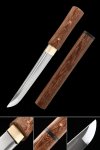
1045 Carbon Steel Aikuchi Tanto with Natural Rosewood Handle and Saya - Full Tang Collectible Japanese Short Sword 1045 Carbon Steel Aikuchi Tanto with Natural Rosewood Handle and Saya - Full Tang Collectible Japanese Short Sword
Patrick Jeffery Michigan, United States

The tanto was beautiful exotic wood grain looks and feels great was a little loose in the scabard but used the old samurai wax trick and now it's good I'm not sure what the wood is maybe tiger wood but is super attractive and with a couple of coats of oil it is amazing blade is razor sharp I've already ordered some other pieces from true katana as there selection and unique designs are very cool and the pricing is good something for everyone at different price points I'm glad I stumbled onto true katana as for shipping this item took about a week

1045 Carbon Steel Aikuchi Tanto with Natural Rosewood Handle and Saya - Full Tang Collectible Japanese Short Sword 1045 Carbon Steel Aikuchi Tanto with Natural Rosewood Handle and Saya - Full Tang Collectible Japanese Short Sword
Cart 0 Items

Your cart is empty