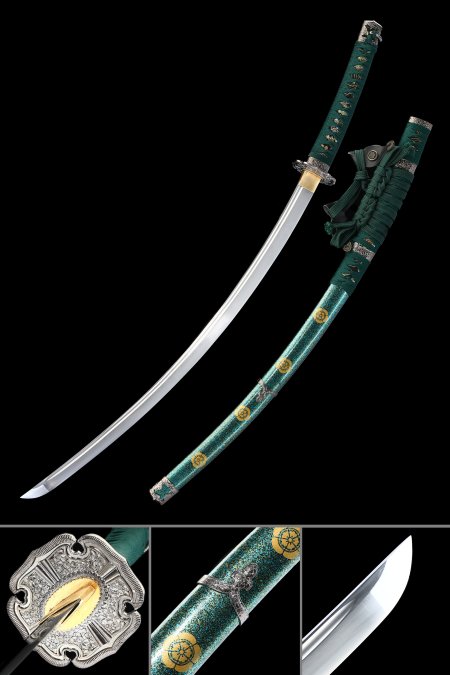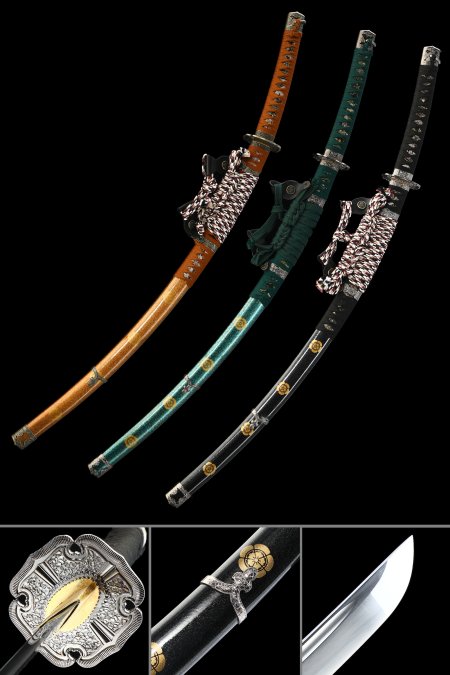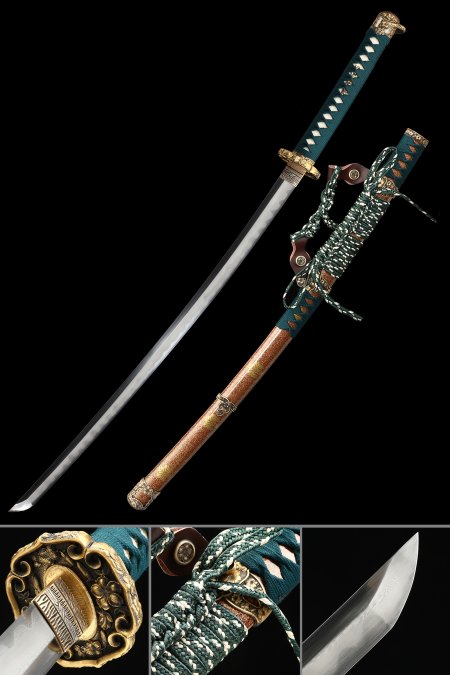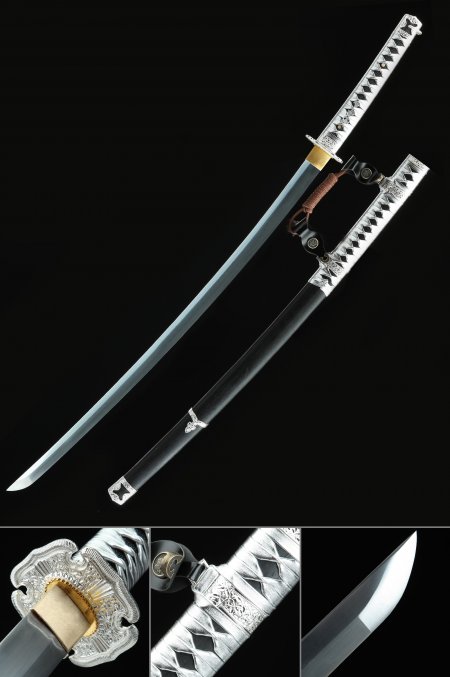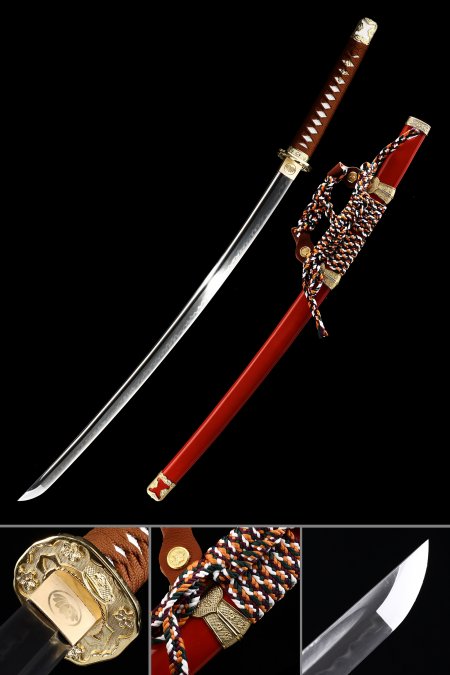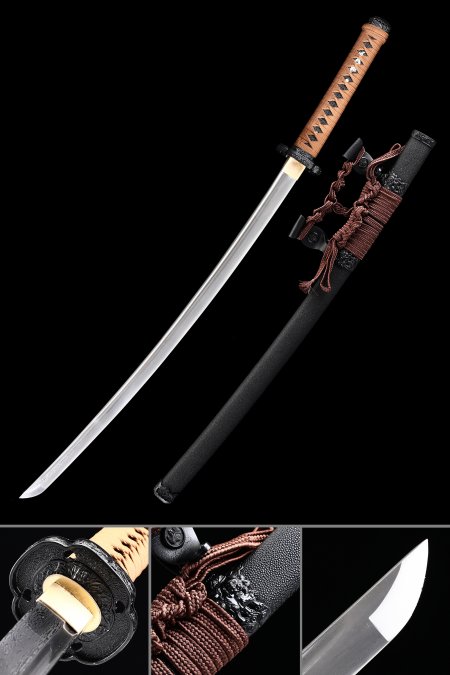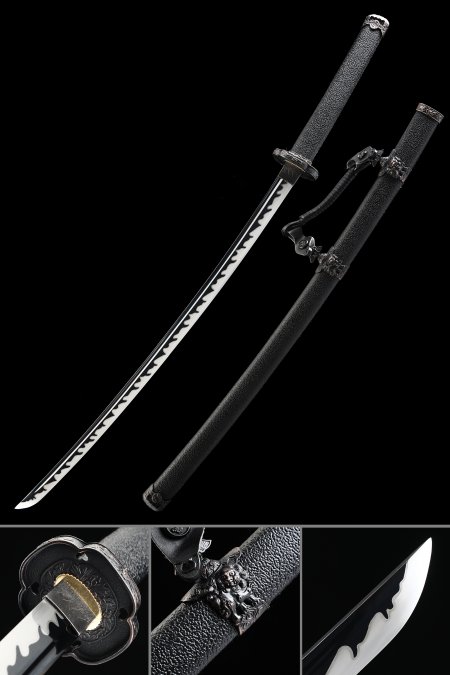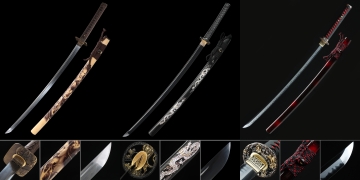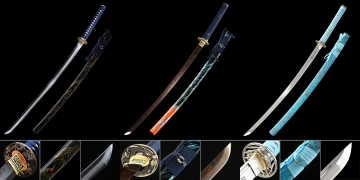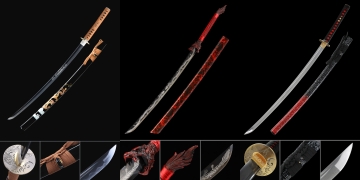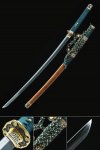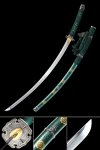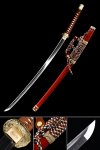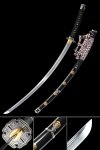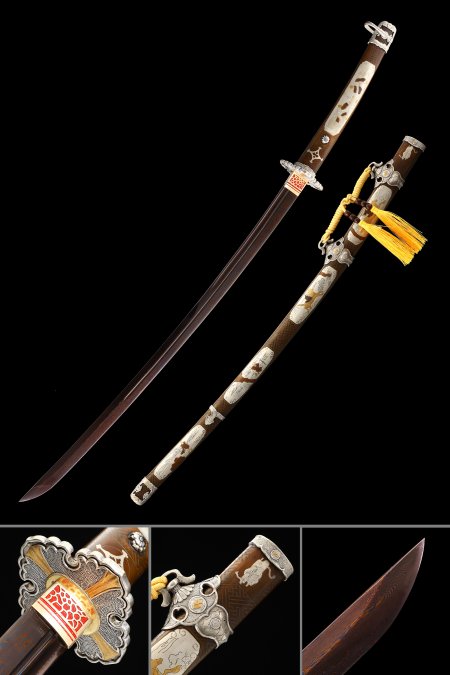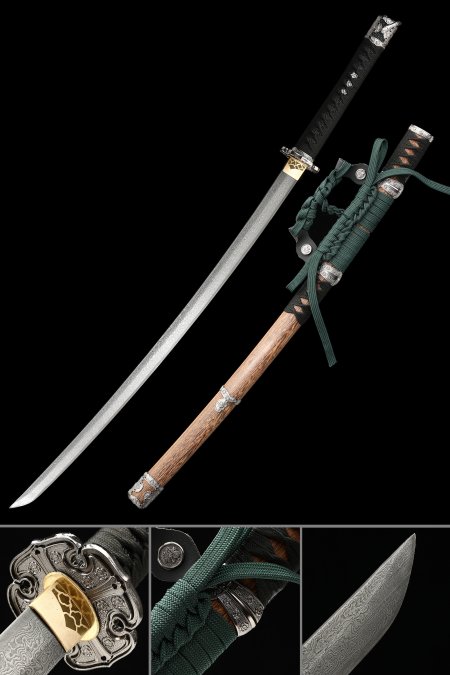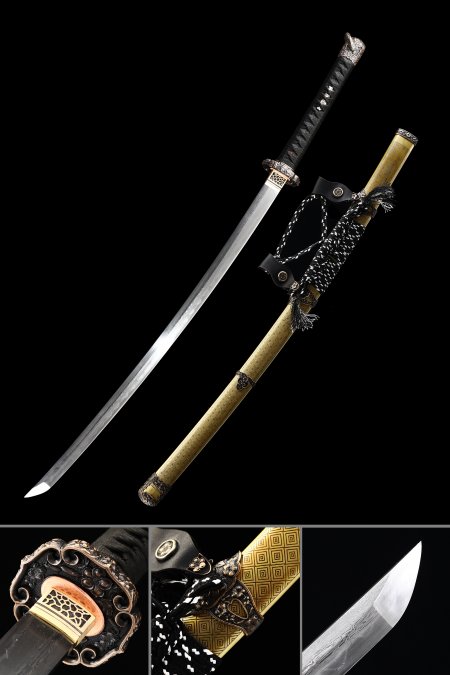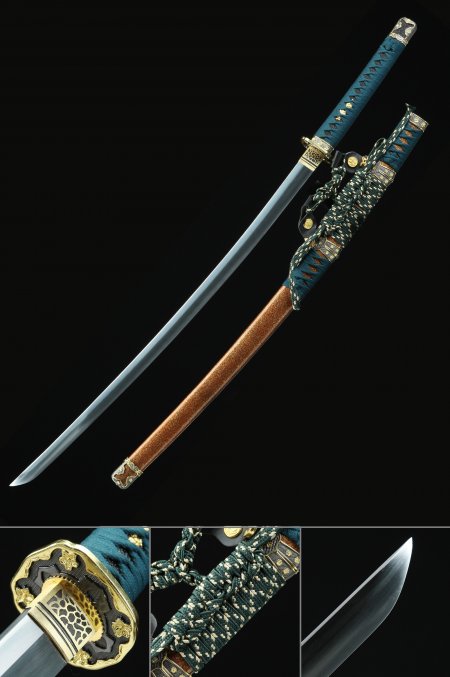
Ornate Scroll Tsuba Tachi

The Ornate Scroll Tsuba Tachi collection brings together hand-forged tachi and odachi swords distinguished by intricately crafted scroll-engraved tsubas in bronze, gold, and silver finishes - each piece a study in classical Japanese metalwork artistry. From Damascus steel blades with layered folded patterns to clay-tempered 1095 and high manganese steel with genuine hamon, every sword is finished with coordinated koshirae: lacquered saya, wrapped tsuka, and ornamental sageo. Complimentary shipping and hassle-free returns are included with every order.
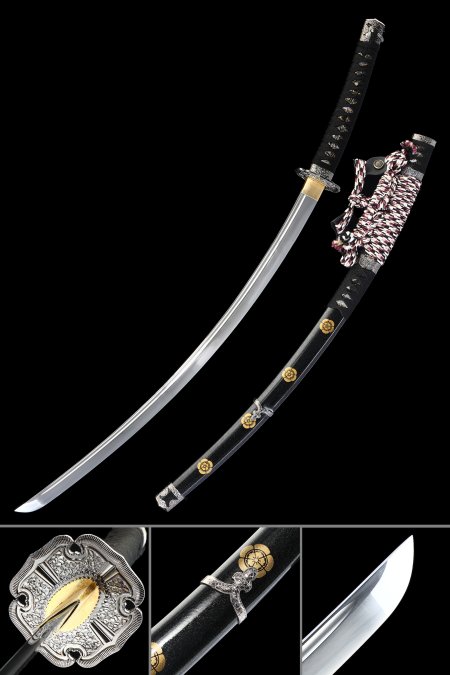
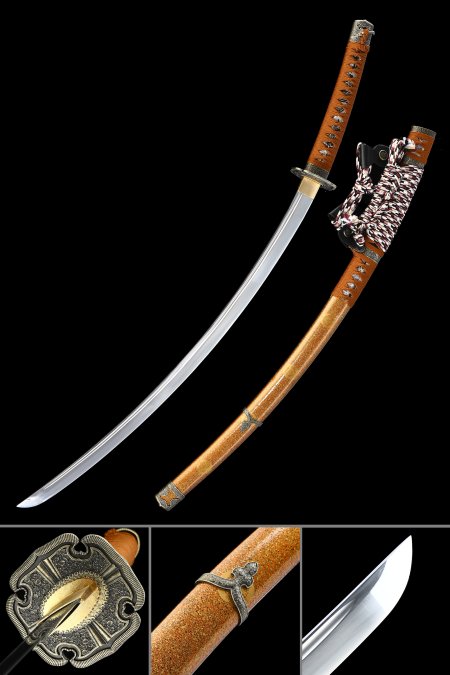
Showing 13 Products

Related Collections

Skull Tsuba Katana28 items


109 Reviews

Lion Tsuba Katana27 items


107 Reviews

Crane Tsuba Katana29 items


36 Reviews

Phoenix Tsuba Katana28 items


63 Reviews

Frequently Asked Questions

What makes a scroll tsuba different from a plain iron tsuba?
A scroll tsuba is distinguished by decorative relief carving, openwork (sukashi), or cast motifs featuring flowing botanical or geometric scroll patterns - as opposed to a plain iron tsuba, which is smooth, undecorated, and historically prized for its austere wabi aesthetic. Scroll tsubas were typically associated with formal or ceremonial tachi rather than field use, and were often fabricated from softer, more workable alloys such as bronze, shakudo (copper-gold alloy), or shibuichi (copper-silver alloy) to allow finer detail work. In collectible pieces, scroll tsubas in bronze or gold-tone finishes signal a formal or court-inspired mounting, making them the visual centerpiece of the entire koshirae assembly.
How does Damascus steel differ from 1095 carbon steel in these blades?
Damascus steel in these odachi and tachi is produced by forge-welding two or more steel alloys with differing carbon content, then repeatedly folding and drawing the billet to create the characteristic layered grain pattern visible on the blade surface. The result is a visually distinctive collectible piece with flowing woodgrain, ladder, or teardrop motifs etched to the surface after forging. 1095 high-carbon steel, by contrast, is a single-alloy blade steel that does not display pattern welding but responds exceptionally well to clay tempering - a process that produces a genuine differential hamon, the misty crystalline line along the blade's edge boundary. For display purposes, Damascus steel offers dramatic surface aesthetics under light, while a clay-tempered 1095 blade with real hamon appeals to collectors focused on traditional Japanese heat-treatment authenticity.
How should I store a tachi or odachi to prevent blade deterioration?
Long-term storage of a tachi or odachi collectible requires controlling three variables: humidity, contact, and light. Store blades horizontally in a paulownia wood box or on a dedicated sword stand in a climate-controlled room, ideally between 40-55% relative humidity. Apply a thin coat of blade oil - choji oil (clove-scented mineral oil) is traditional, though pharmaceutical-grade mineral oil works equally well - every two to three months, and after any handling, since skin oils accelerate surface oxidation. Never store the blade inside its saya for extended periods without inspection, as trapped moisture between blade and lacquered saya interior can cause localized rust spots. High-carbon steel types (1095, T10) require more frequent oiling than manganese steel variants, which are significantly more corrosion-resistant.
Are these tachi suitable as display gifts for collectors?
Tachi and odachi with ornate scroll tsubas are among the most visually impactful gift choices for Japanese sword collectors and martial arts history enthusiasts. The combination of large blade scale, coordinated koshirae color palettes, and sculptural tsuba detail creates an immediate display presence that simpler katana mountings rarely achieve. For gifting, consider matching the saya finish tone to the recipient's existing display environment - black lacquer saya pair cleanly with modern interiors, while gold or teal lacquer variants suit more expressive or traditional display settings. A complete mounting with full tang blade, ornamental tsuba, and coordinated sageo cord communicates a level of craft thoughtfulness that makes these pieces appropriate for milestone gifts, collection additions, or commemorative presentations.
What does 'full tang' mean for a tachi collectible?
Full tang refers to the construction in which the steel of the blade extends in a single uninterrupted piece through the entire length of the handle (tsuka), secured by one or more mekugi (bamboo or steel retaining pins) passing through the tsuka and nakago (tang). This construction method produces superior structural integrity compared to partial-tang or rat-tail-tang designs, where only a narrow steel extension is embedded in the handle core. For display collectibles, a full-tang tachi is considered the benchmark of authentic construction fidelity - it mirrors the construction standard of historically documented Japanese blades and ensures the handle assembly remains stable over years of display handling and repositioning.

Customer Reviews

Cart 0 Items

Your cart is empty