FAST SHIP
Free Shipping
199.00 USD
ON SALE! 15% OFF
Was: 229.00 USD

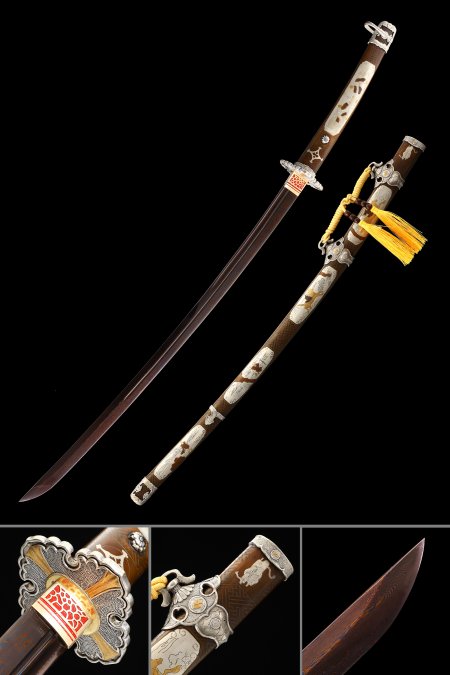
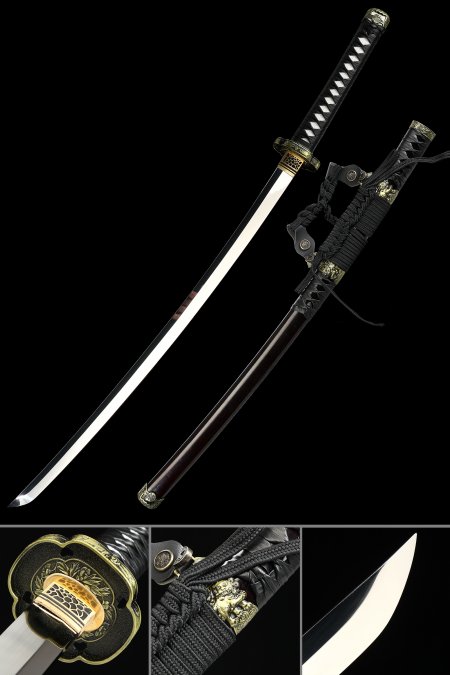
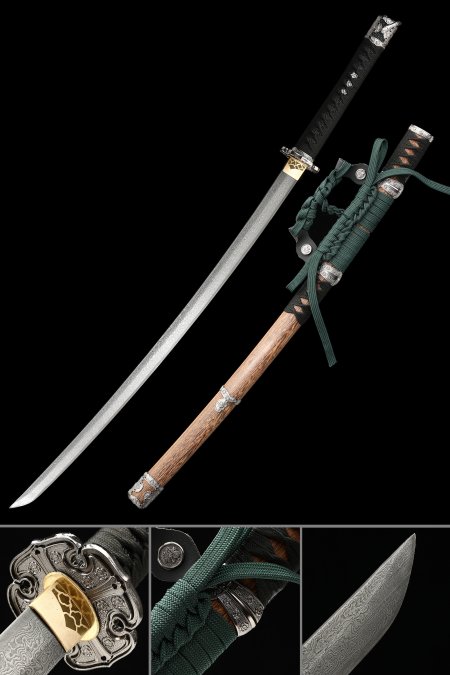
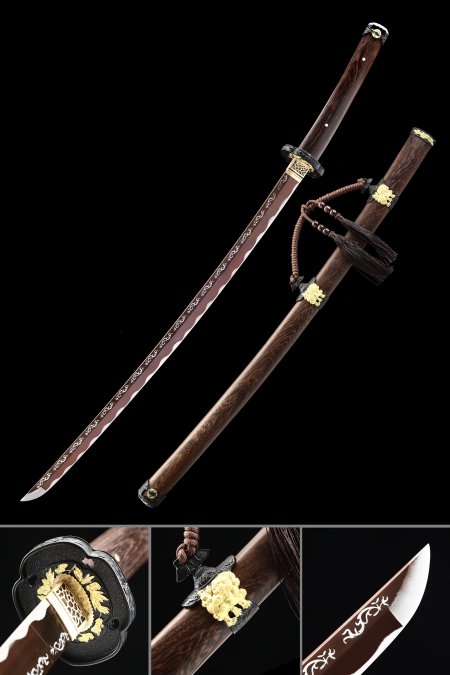
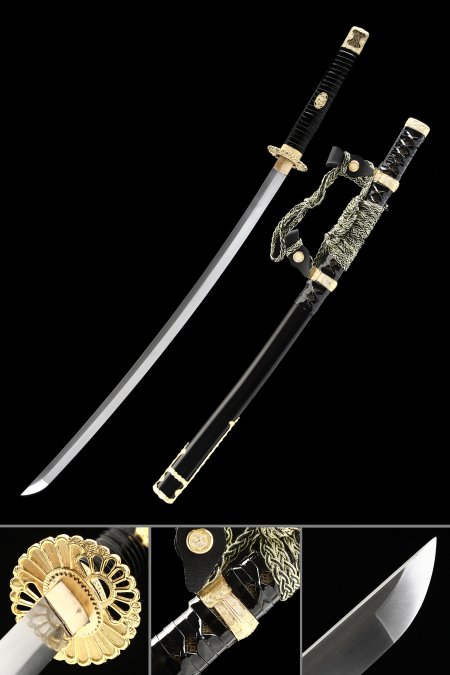
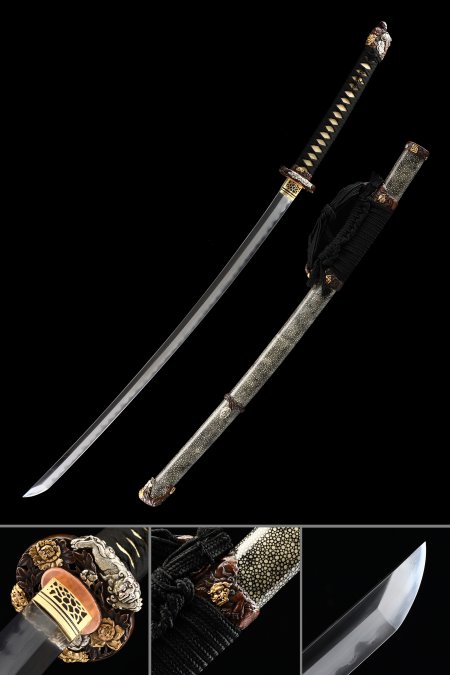
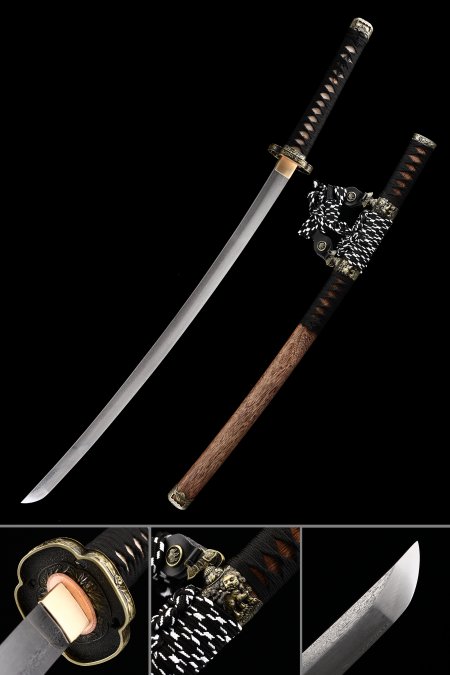
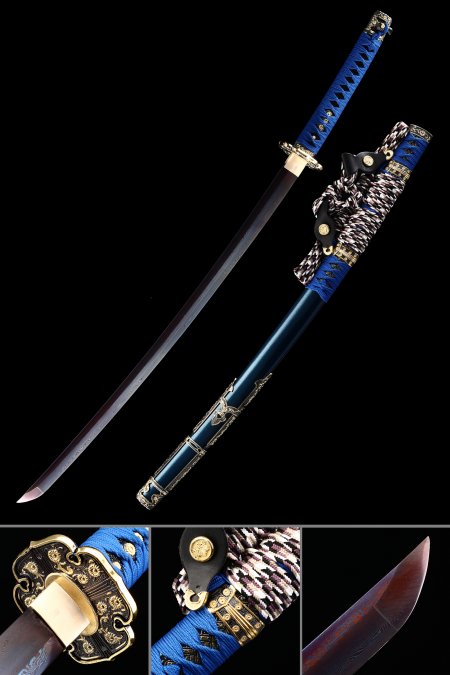
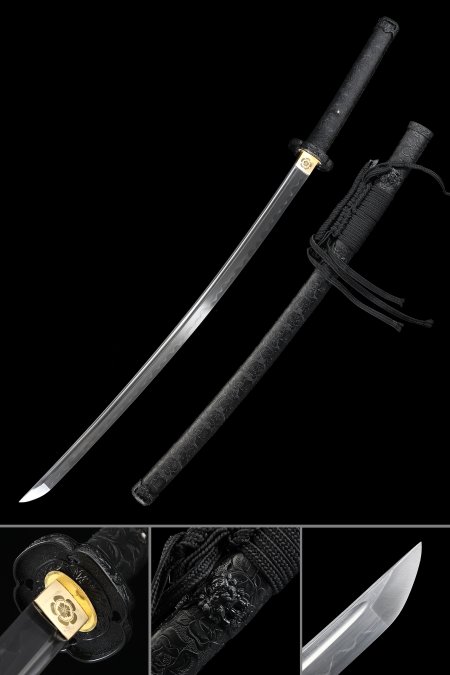
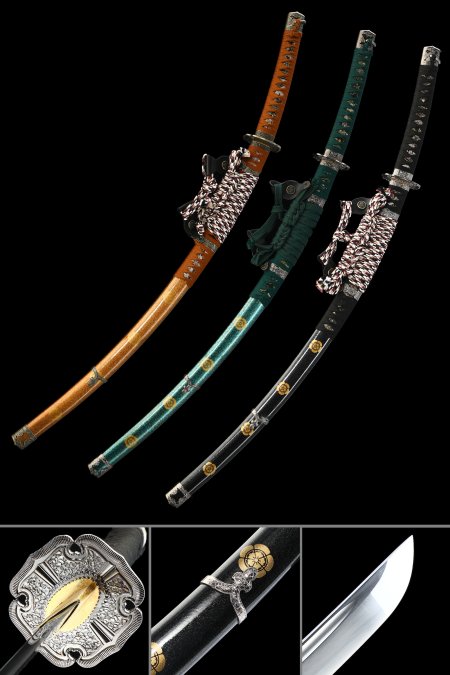
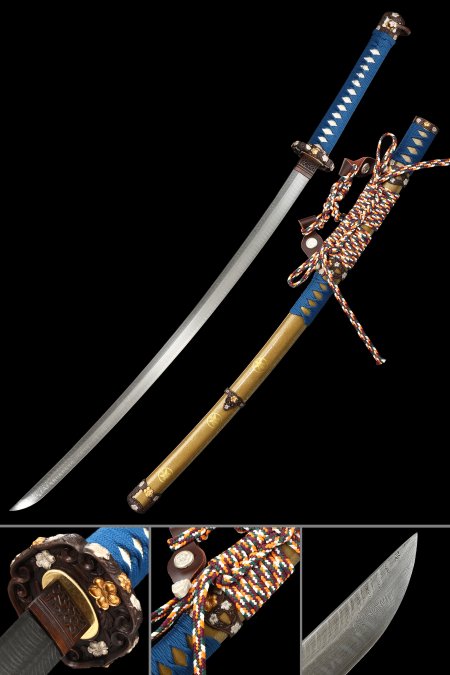
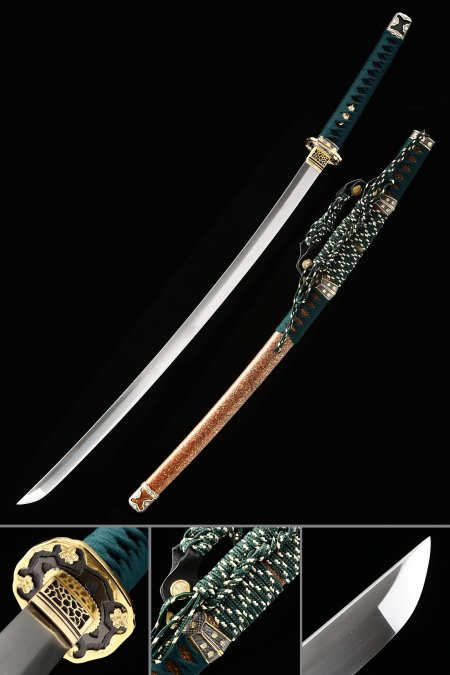
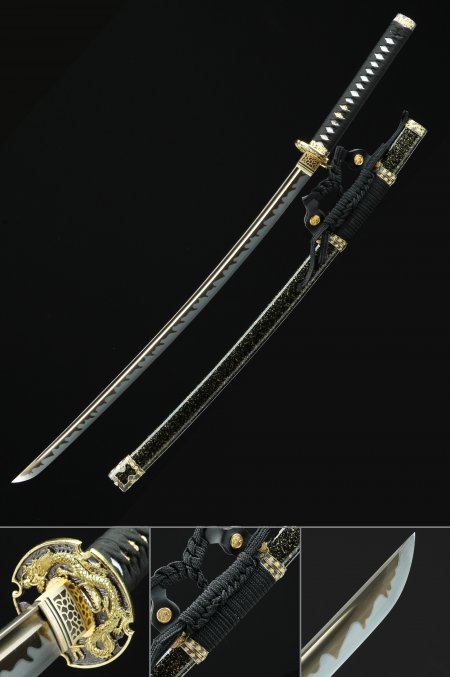
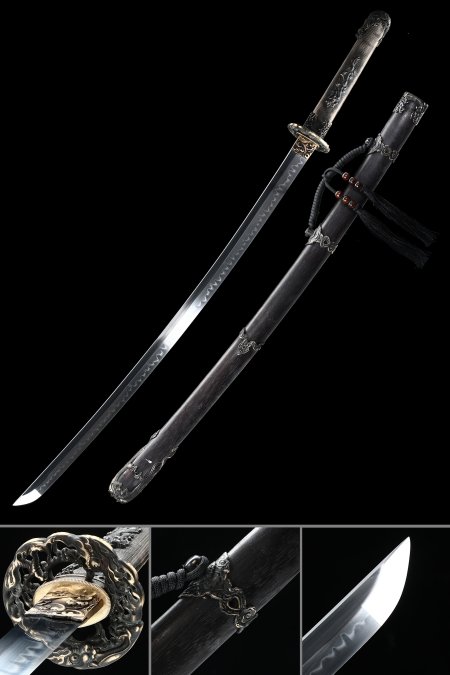
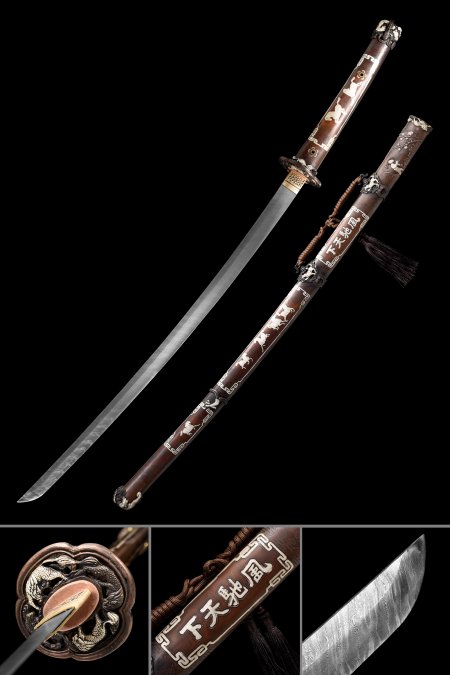
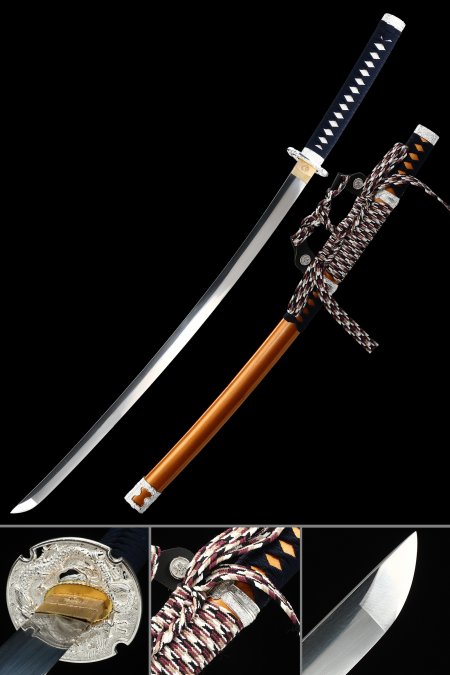
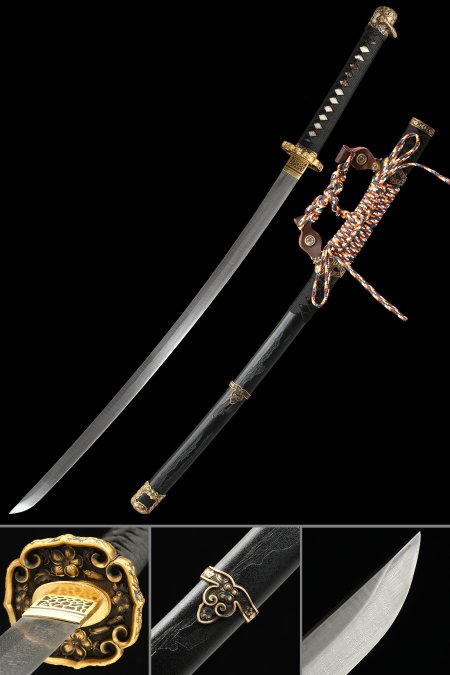
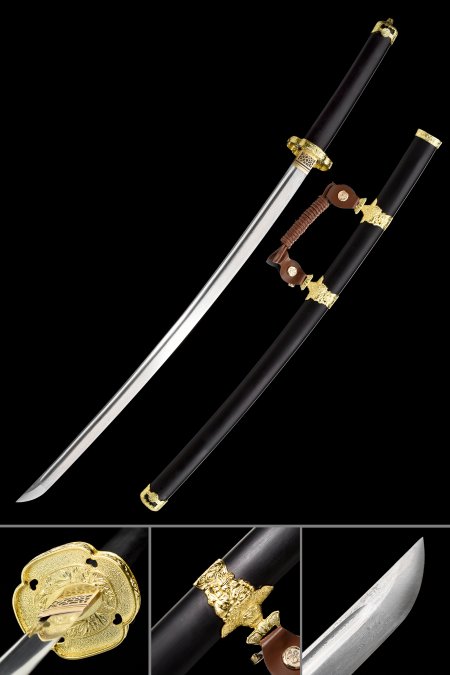
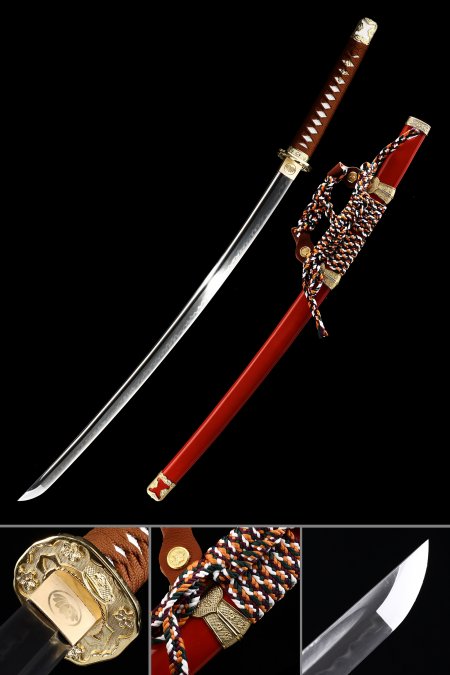
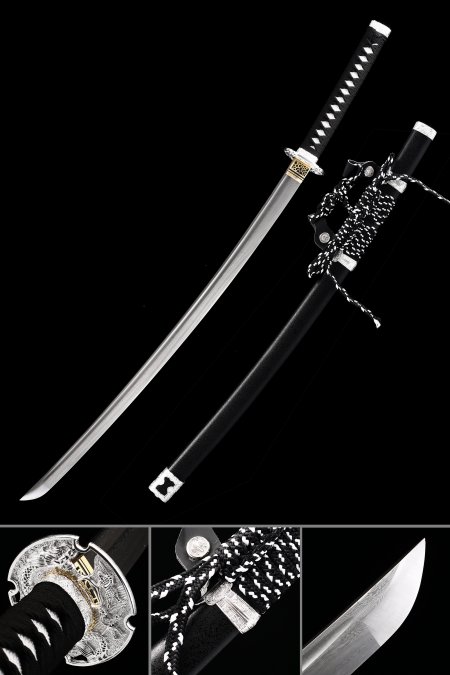
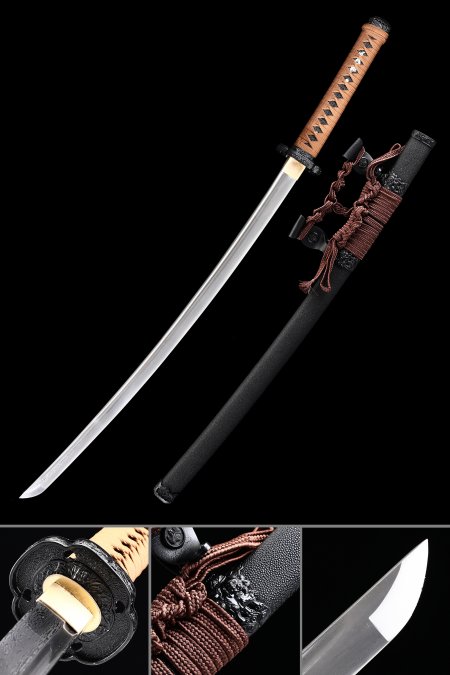
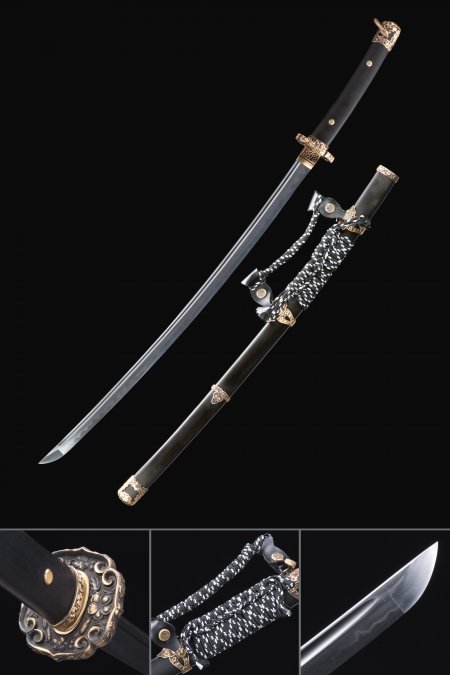
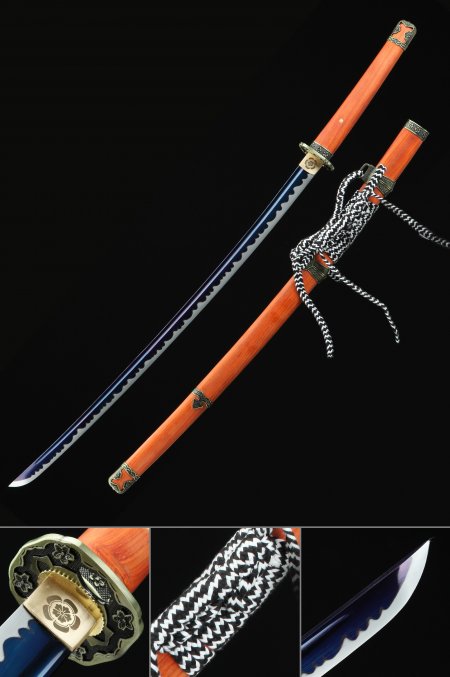
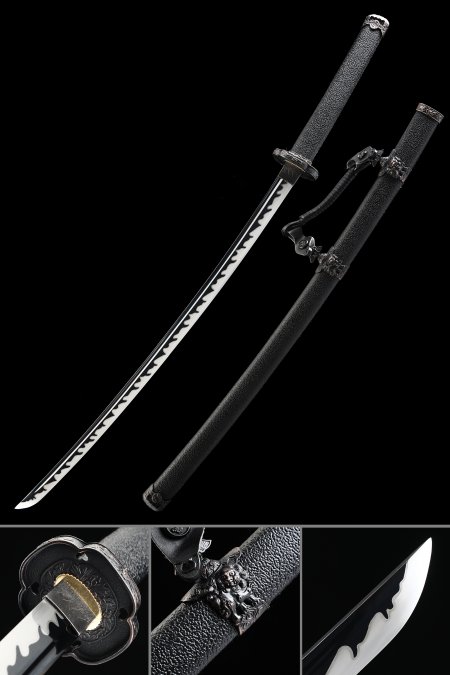
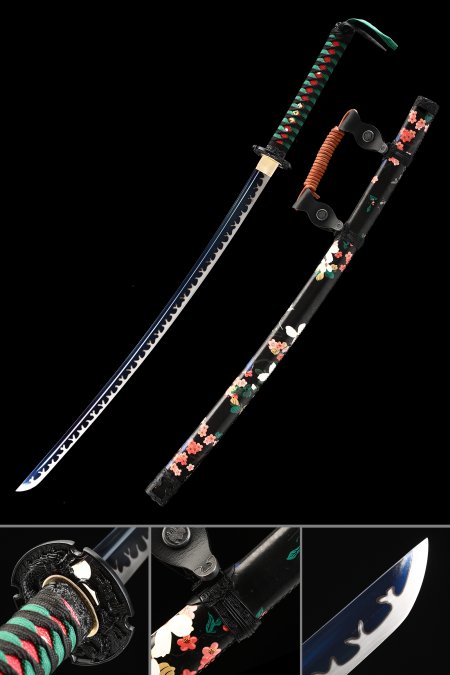
Explore our curated selection of Natural Tachi Swords — each piece hand-forged using traditional methods and finished with authentic hardwood saya, genuine rayskin, and meticulously wrapped tsuka. These collectible tachi feature natural material palettes that honor classical Japanese sword aesthetics while showcasing exceptional craftsmanship in every detail. Every order ships with free worldwide shipping and a hassle-free return policy.
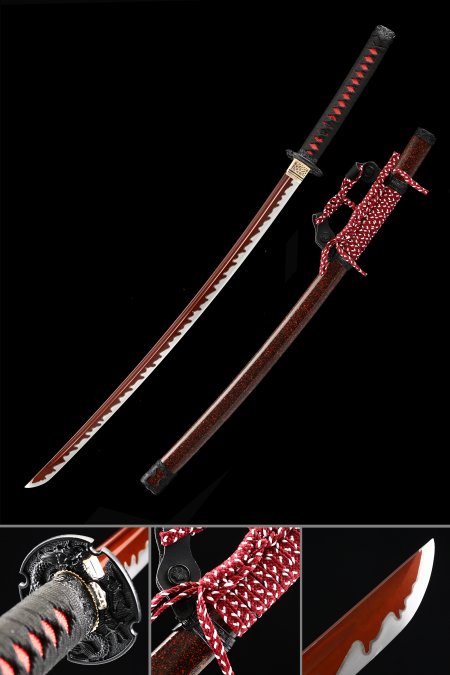
Really love the level of detail put into the blade.
 |
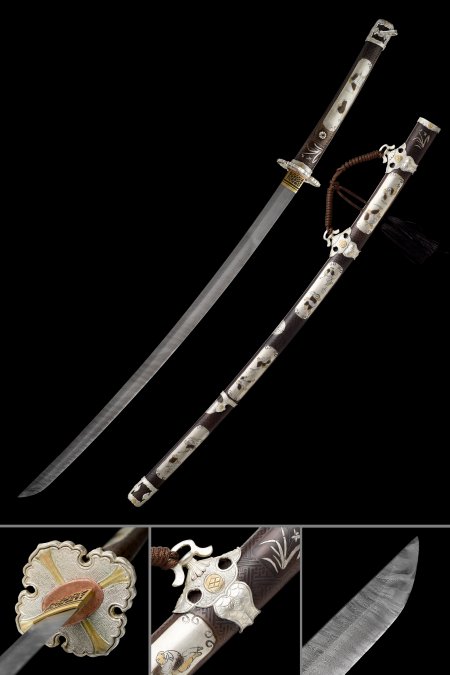
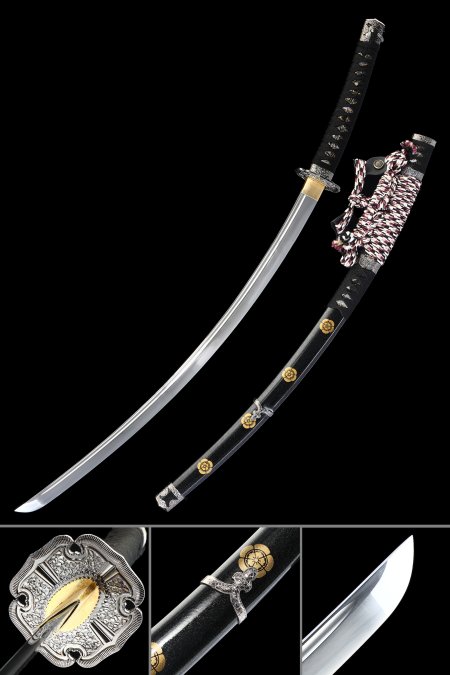
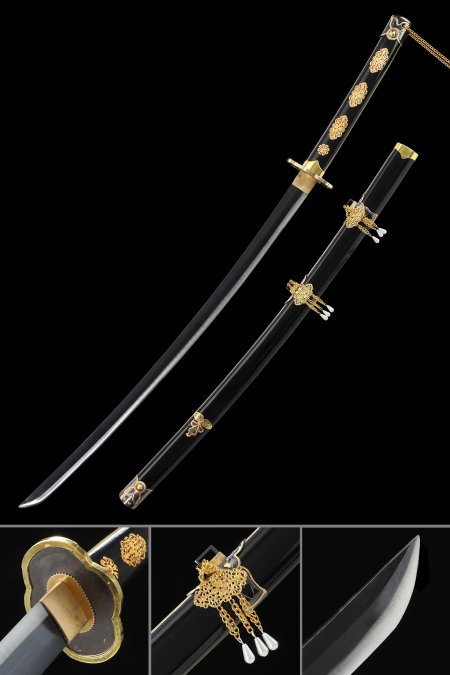
Clay Tempered Tachi Odachi Sword in High Manganese Steel with Real Hamon and Black Floral Saya |
My fiancé was almost in tears when he opened his gift!! He has always wanted a katana and was absolutely speechless at how beautiful it is. r
The delivery was quick and it looked even better in person! Thank you
 |
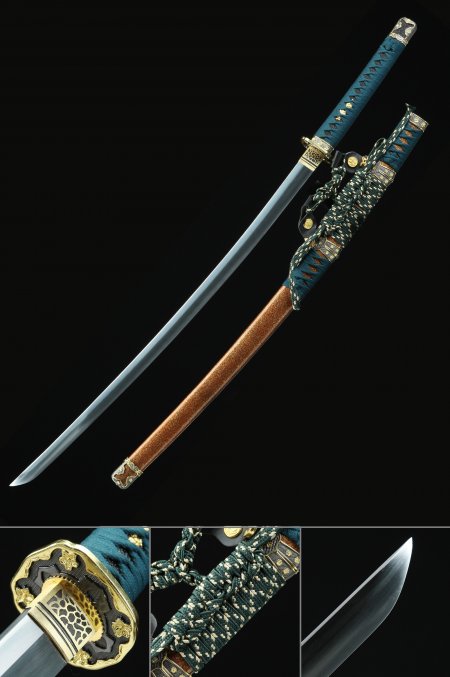
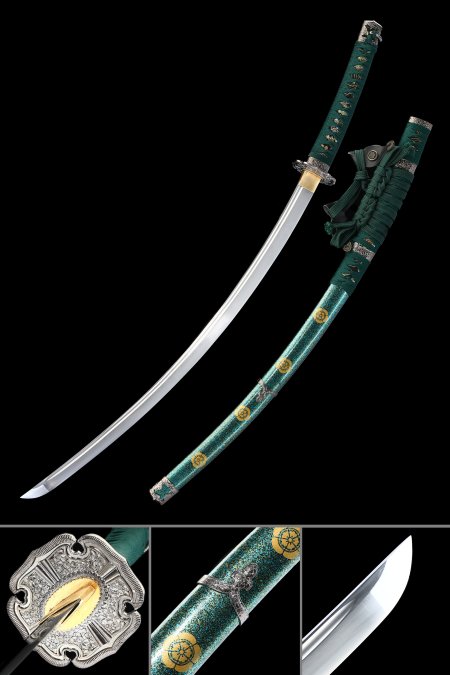
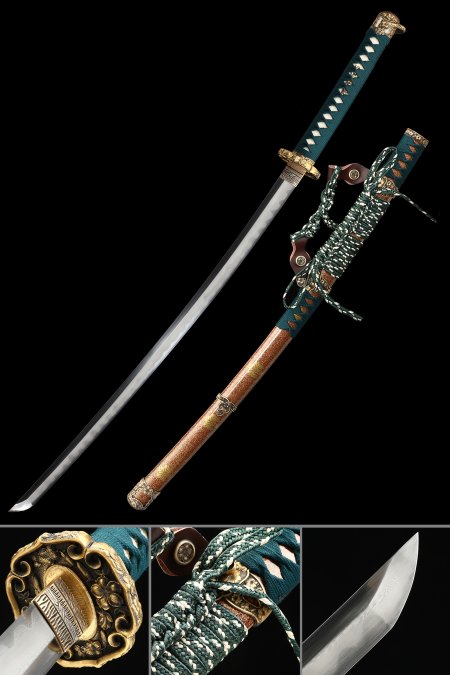
Clay Tempered 1095 Carbon Steel Tachi Sword with Teal Ito Wrap and Bronze-Shimmer Saya in Gold Fittings |
I received my Katana in great condition. Great craftsmanship and packaging. The blade is very sharp and bright. The handle is beautiful and very well wrapped. Now if I can receive my Sword Stand it will be complete.
 |
Odachi Sword 1095 Carbon Steel with Teal Lacquer Saya & Green Ito Wrap |
Perfect transaction. Order came in earlier than expected. We;; padded and packaged. Exactly as pictured onsite. I am very happy to have this item.
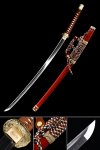 |
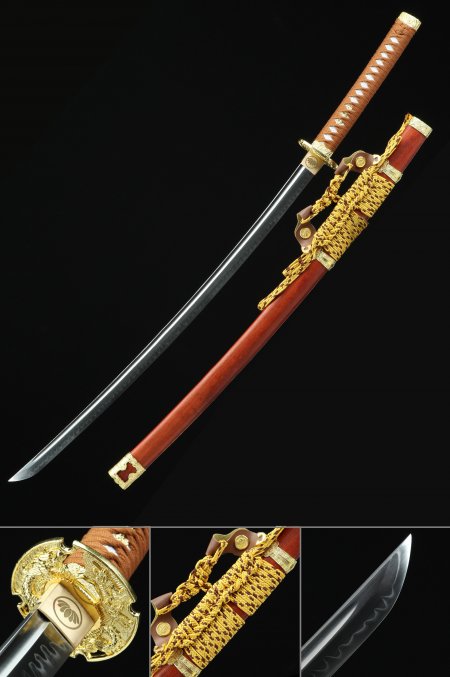
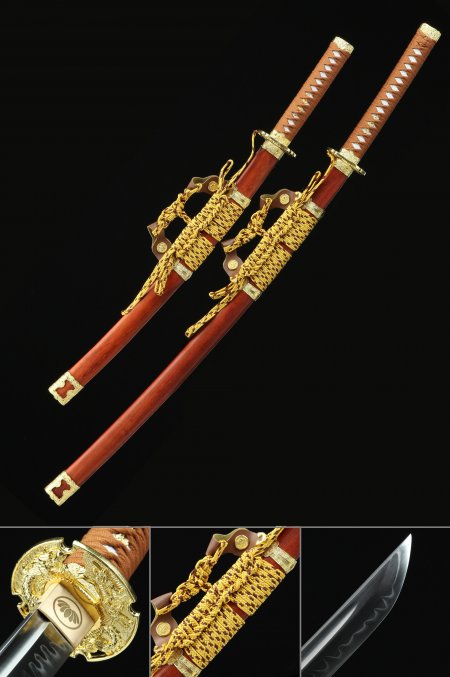
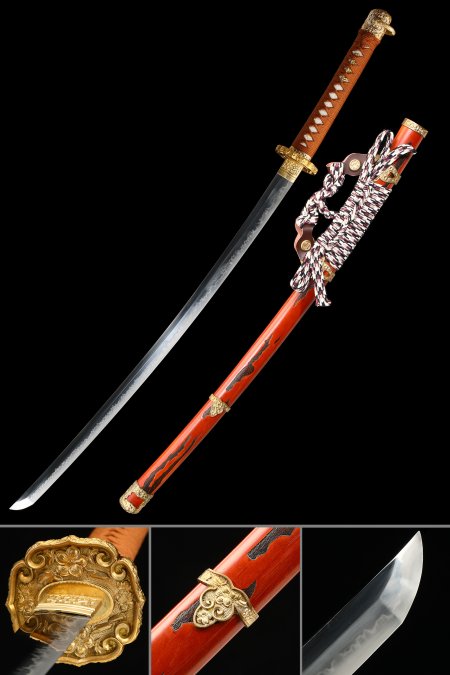
T10 Steel Tachi Odachi with Real Hamon in Red Lacquer Saya - Gold Tsuba, Brown Cord Handle |
O.K. with me. I have one tachi, a katana, one wakizashi, one ninjato and one tanto. Enough, for naginata is already to much. Thank you! Petrica Bunea.
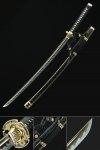 |
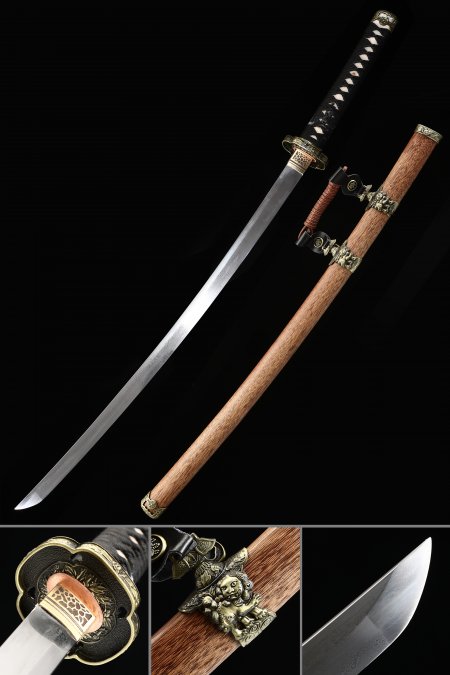
Odachi Sword High Manganese Steel with Dragon Tsuba - Black-Gold Saya, Chrome Blade, 41 IN |
My son loves his new sword. Will be order again. Highly recommend.
|
Clay Tempered 1095 Carbon Steel Tachi Sword with Teal Ito Wrap and Bronze-Shimmer Saya in Gold Fittings |
Product is as advertised! Great craftsmanship, build and design. No flaws detected. AWESOME PRODUCT!! THANK YOU!
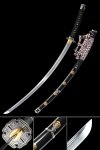 |
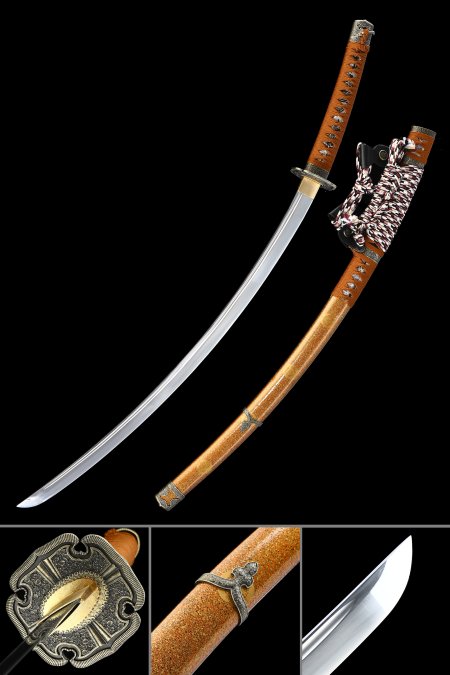
1095 Carbon Steel Odachi Sword Full Tang with Black Lacquer Saya and Silver Scroll Tsuba |
Great sword to have in my collection. The weight is well balanced and the blade is sharp. I recommend this sword
|
Odachi Sword 1095 Carbon Steel with Teal Lacquer Saya & Green Ito Wrap |