Chinese Tang Sword
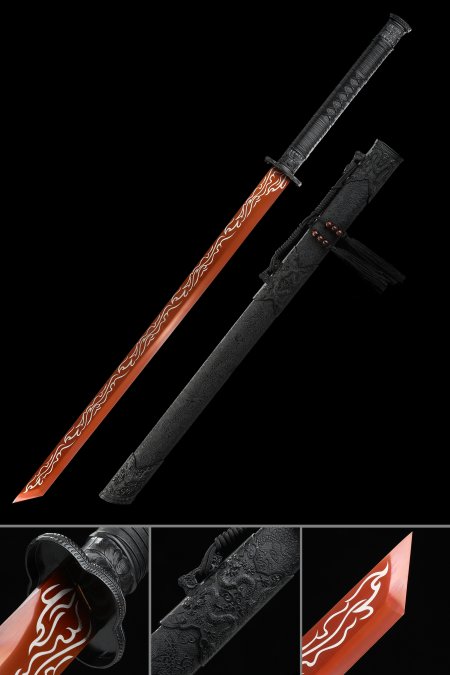
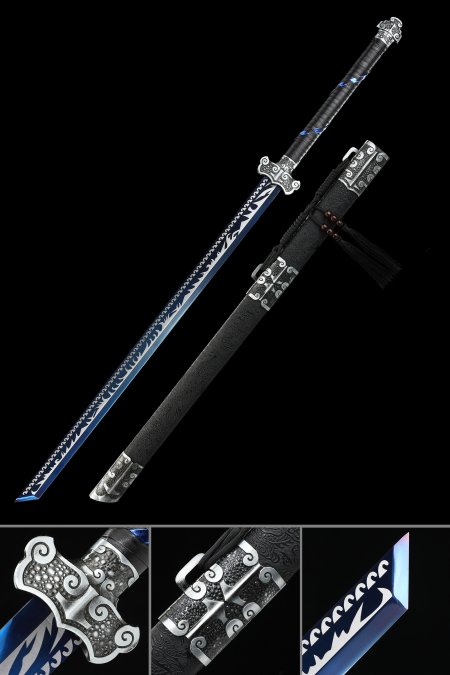
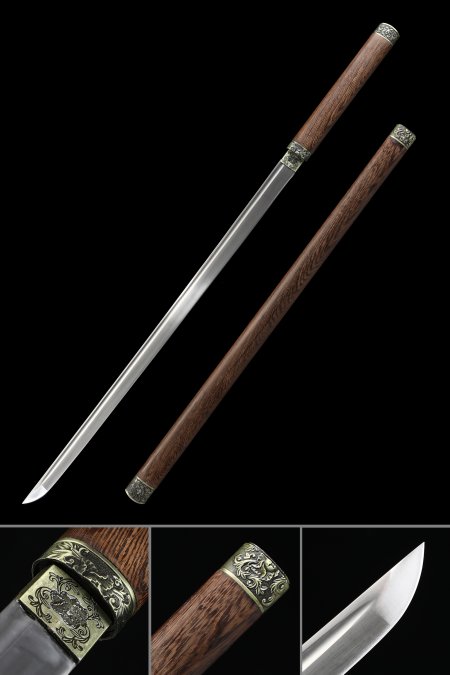
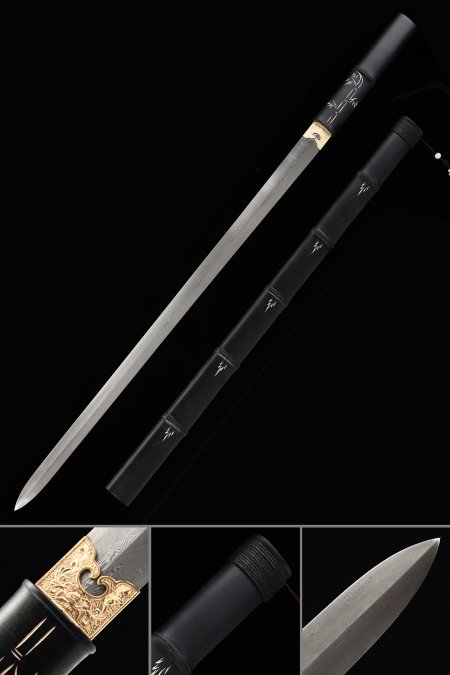
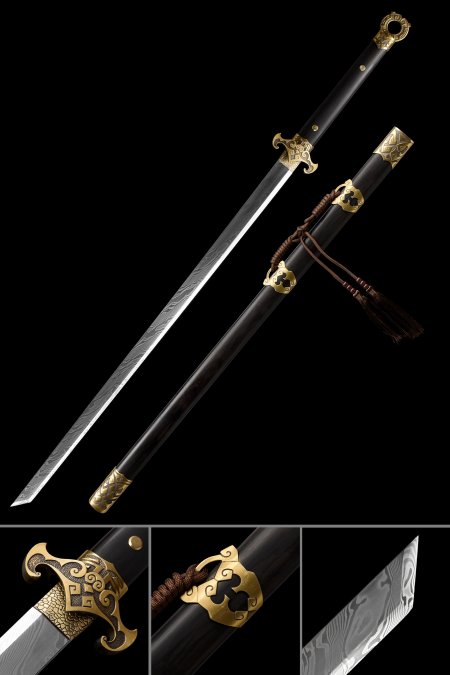
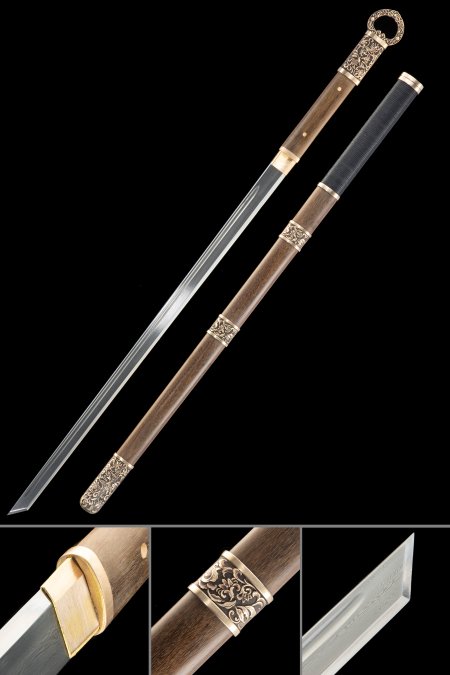
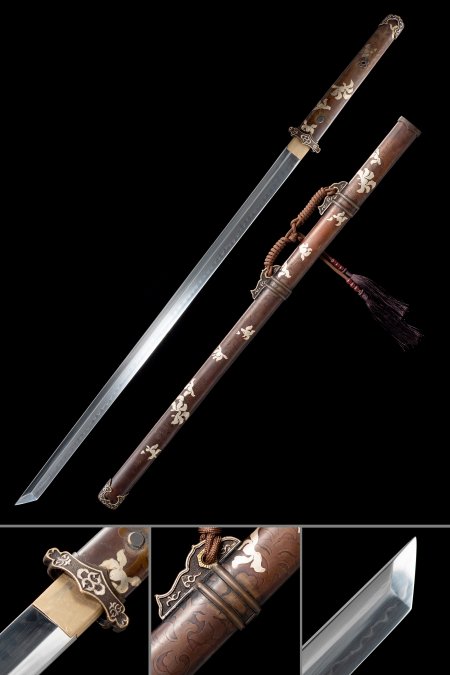
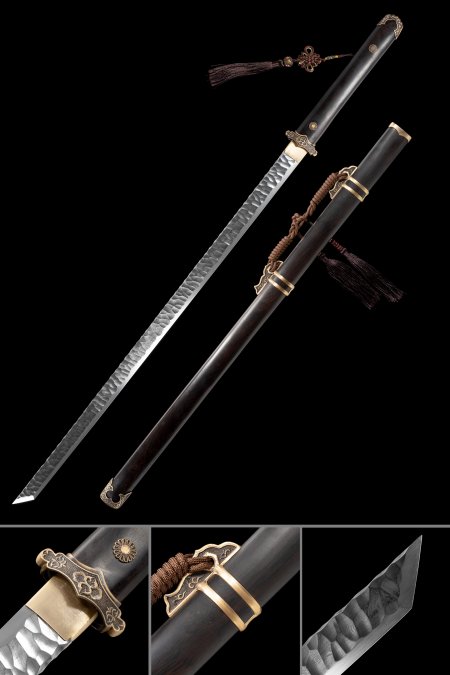
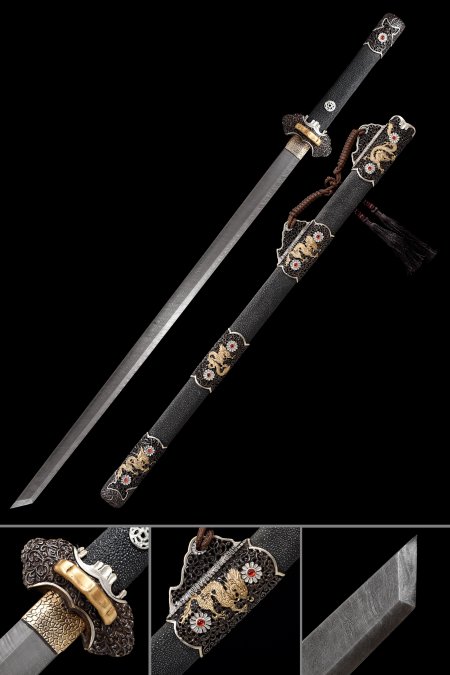
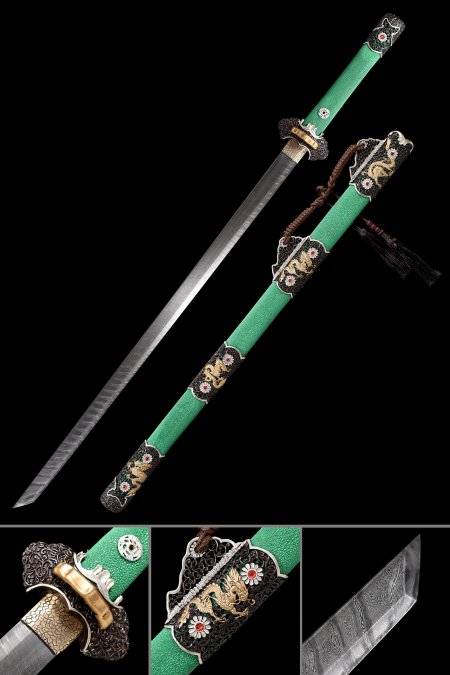
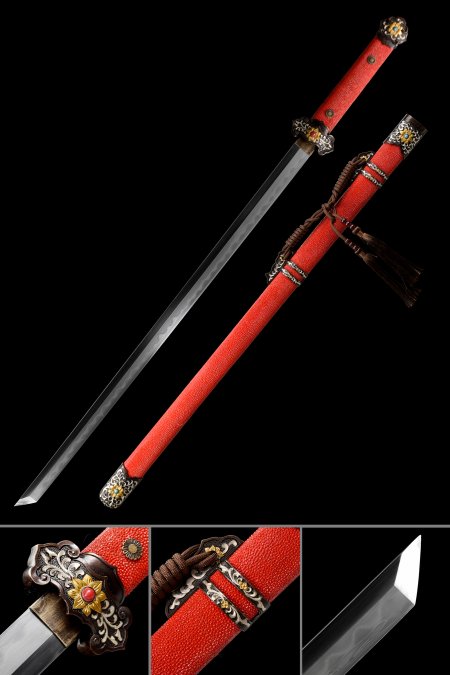
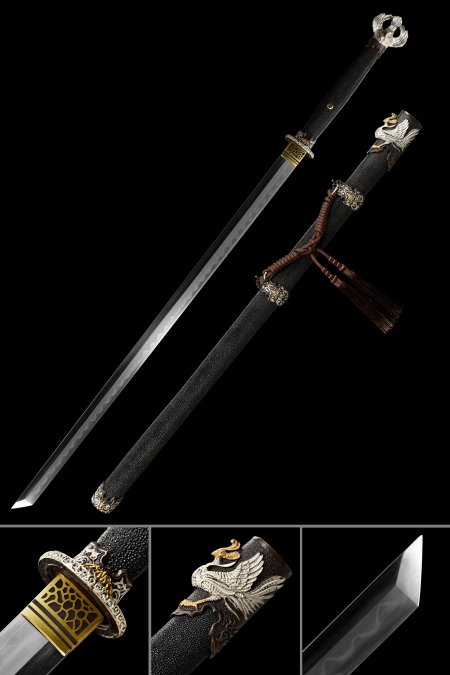
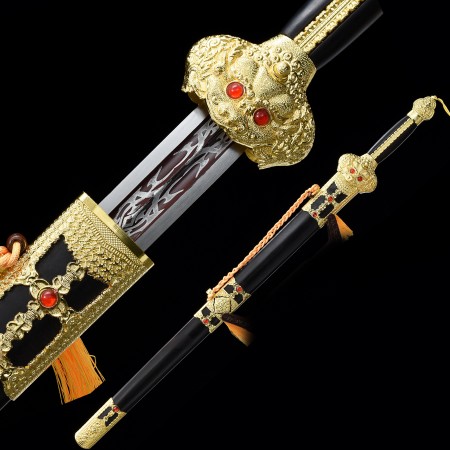
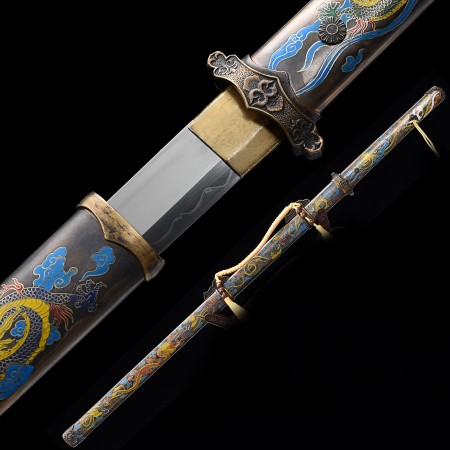
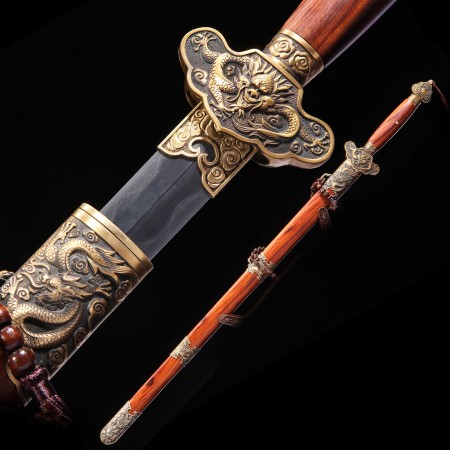
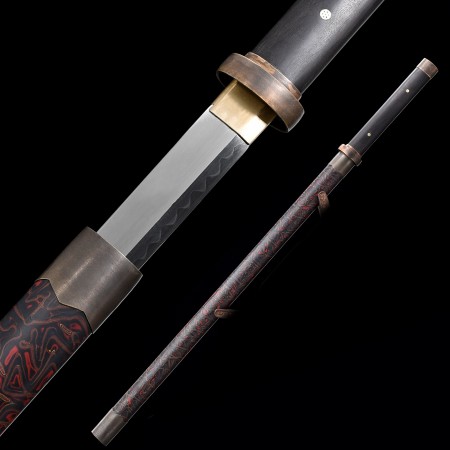
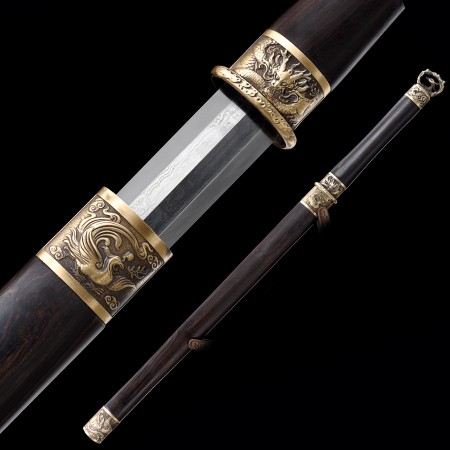
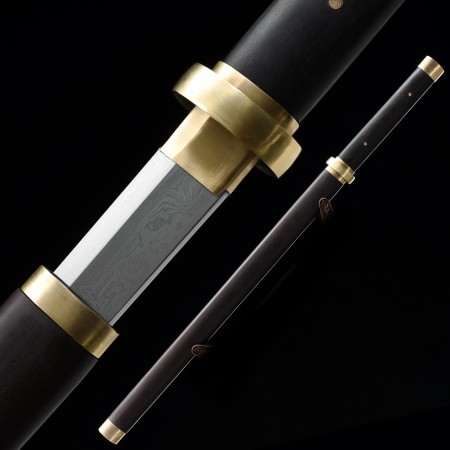
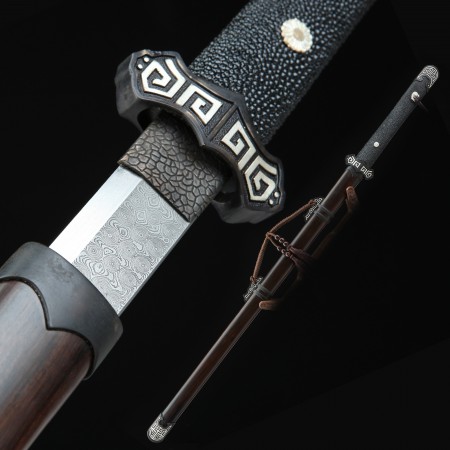
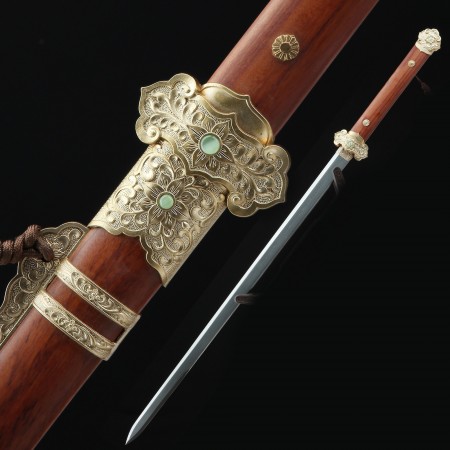
Explore our collection of Chinese tang swords - hand-forged Chinese swords spanning the Tang Dynasty tradition and the full range of Chinese blade formats including dao broadswords, jian straight swords, Han dynasty swords, and kung fu spear polearms, built from 1045, 1095, Manganese Steel, and spring steel with full-tang construction. The Chinese tang sword tradition represents one of the most sophisticated and historically deep blade cultures in the world, with continuous development spanning over two thousand years. Free US shipping and hassle-free returns included.
Free Shipping
1,049.00 USD
Free Shipping
549.00 USD
Free Shipping
399.00 USD
Free Shipping
1,979.00 USD
Free Shipping
1,109.00 USD
Free Shipping
1,049.00 USD
Free Shipping
2,249.00 USD
Free Shipping
1,489.00 USD
Free Shipping
289.00 USD
Free Shipping
869.00 USD
Related Collections
Chinese Hero Blood Sword128 items
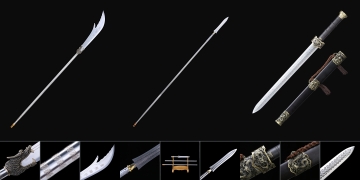
Chinese Great Sword128 items
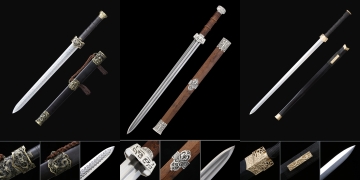
Han Dynasty Swords73 items
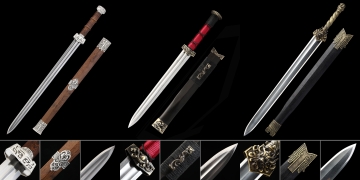
Handmade Han Dynasty Swords36 items
Frequently Asked Questions
What is the historical significance of the Tang Dynasty for Chinese sword development?
The Tang Dynasty represents one of the most pivotal periods in Chinese sword history, and its significance extends far beyond China's borders. Internally, the Tang period saw the codification and refinement of Chinese blade formats that had been developing since the Han Dynasty: the dao broadsword reached a level of sophistication during the Tang period that established the basic design parameters followed by subsequent dynasties. The straight jian remained the sword of the educated and martial elite, refined to a degree of elegance that matched the extraordinary cultural achievements of the Tang court. Externally, Tang Dynasty China was one of the most internationally connected civilizations of the medieval period - the Silk Road trade networks brought Chinese blades and blade-making knowledge into contact with cultures across Central Asia, the Middle East, and crucially for collectors of Japanese swords, Japan. The early Japanese sword tradition was directly influenced by Tang Dynasty blade design, with the tachi's elegant single-edged curved format representing a Japanese adaptation and transformation of principles encountered through contact with Tang Chinese culture. For a collector of Chinese swords, the Tang Dynasty is the historical anchor point that connects Chinese blade culture to the wider world of East Asian sword traditions.
What Chinese sword formats are represented in the tang sword collection?
The Chinese tang sword collection represents the primary blade formats of the Chinese martial tradition across their most historically significant configurations. The dao broadsword - the curved single-edged cutting blade that was the standard military sidearm of Chinese soldiers from the Han through Qing periods - appears in multiple formats including the Qing dynasty broadsword, the oxtail dao with its distinctive flared tip geometry, and the straight-blade war dao configuration. The jian straight sword - the double-edged straight blade associated with Chinese scholarly culture, Taoist martial arts, and the literary archetype of the wandering swordsman - appears in Han dynasty jian configuration in 1095 carbon steel. The Han dynasty short sword provides the compact single-edged format of the early imperial period. The Chinese overlord spear in Manganese Steel extends the collection into the polearm category. This range of formats means the collection covers the primary axes of Chinese blade design: cutting blade versus thrusting straight sword, standard versus extended length, and sidearm versus polearm configurations.
What steel grades are used in the Chinese tang sword collection?
Chinese tang sword collectibles in this collection are built from steel grades appropriate to the specific requirements of each blade format. 1045 carbon steel appears in dao broadsword configurations as the reliable foundational grade for medium-weight Chinese cutting blades. 1095 carbon steel is used in the Han dynasty jian straight sword configuration - the higher carbon content is particularly appropriate for the jian's specific balance requirements, where the double-edged straight blade benefits from the stiffness and hardness that the elevated carbon content provides. Manganese Steel appears in both the Chinese dao broadsword and the overlord spear configurations, delivering the exceptional surface hardness appropriate for the largest and heaviest pieces in the collection. Spring steel - typically 65Mn manganese spring steel - provides excellent flexibility alongside good hardness in sword formats that require resilience under handling. Full-tang construction is confirmed across the collection with mekugi or equivalent retention systems appropriate to each Chinese sword format's handle construction standards.
How should Chinese tang swords be displayed alongside Japanese sword collections?
Displaying Chinese tang swords alongside Japanese sword collectibles creates one of the most culturally rich and visually interesting display compositions available to the East Asian sword collector. The visual contrast between Chinese and Japanese blade formats is immediately apparent and educational: the dao's broader blade with its characteristic curvature, the jian's elegant straight double-edged form, and the spear's extended reach all create silhouettes that are distinct from the Japanese katana's specific proportions and geometry, even while occupying the same general category of bladed collectibles. For practical display arrangement, Chinese swords generally work well on the same horizontal wall brackets used for Japanese katana, though jian straight swords and spear polearms may require different bracket spacing than standard katana mounts. A display that groups Chinese pieces together in a dedicated zone within a larger collection creates a coherent cultural section that visitors can read as a complete unit representing the Chinese martial tradition. Pairing a Chinese dao with a Japanese katana that shares a color or material theme - for example, a Damascus dao alongside a Damascus katana - creates visual connections across cultural boundaries that reward viewers who understand both traditions.
Customer Reviews
Monty Burich
Washington, United States
What a beautiful blade! I have not been able to cut and mats yet, but this sword seems like one strong blade! It was well sharpened and the workmanship is very nice. I highly recommend this sword of you are a fan of Chinese history.
 |
High-performance 1095 Carbon Steel Real Hamon Chinese Tang Dynasty Sword With Multi-colored Scabbard |
Paul King
North Caro, United States
The sword is absolutely outstanding thank you very much.
 |
Tang Dynasty Peony Jian - Handmade 1045 Carbon Steel Chinese Straight Sword With Hardwood Scabbard |
Randy Blackburn
South Carolina, United States
The attention to details is remarkable and the quality is outstanding. I would recommend this to anyone looking to add a sword to there collect.
|
Tang Dynasty Peony Jian - Handmade 1045 Carbon Steel Chinese Straight Sword With Hardwood Scabbard |
Jacob Walker
Arizona, United States
Beautiful sword! Arrived straight and strong and sharp! The construction feels solid and ready to use. Thank you for the prompt shipping.
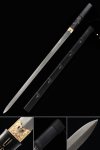 |
Shirasaya Chinese Jian - Folded Damascus Steel Double Edged Straight Sword No Guard Minimalist |