Tang Dao
Explore our collection of tang dao swords - hand-forged Chinese dao broadswords spanning the full range of the Chinese single-edged curved blade tradition, including oxtail dao, han dynasty sword, brotherhood dao, and podao configurations in 1045, 1095, spring steel, and Manganese Steel with full-tang construction. Tang dao collectibles in this collection represent the primary cutting blade tradition of Chinese martial culture across its most historically significant formats. Free US shipping and hassle-free returns included.
Free Shipping
229.00 USD
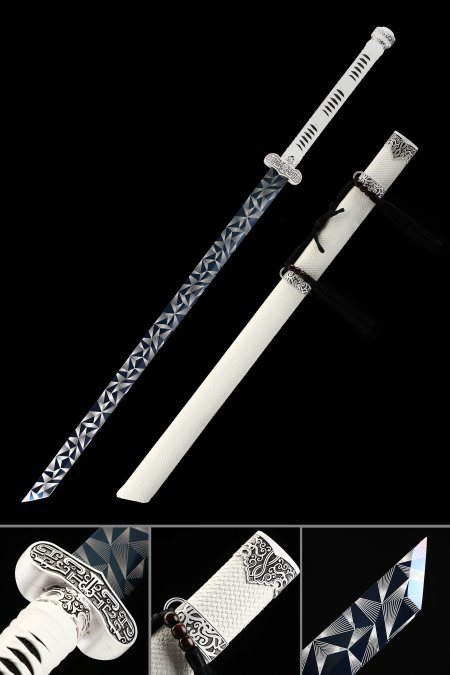
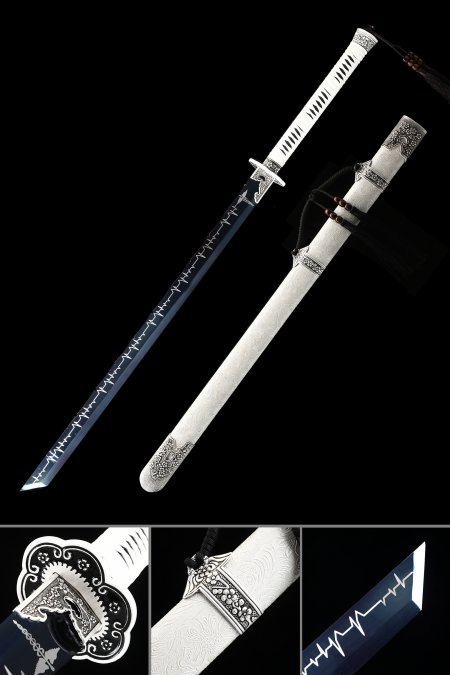
Free Shipping
229.00 USD
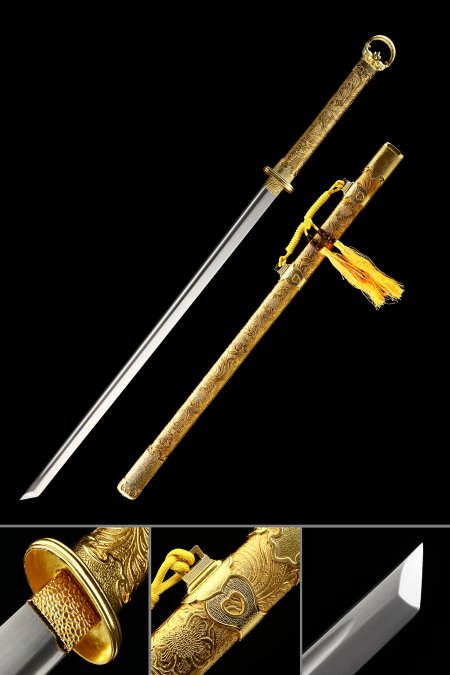
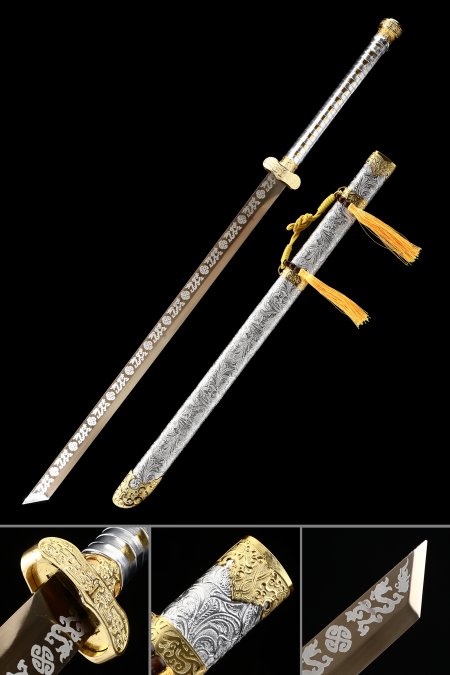
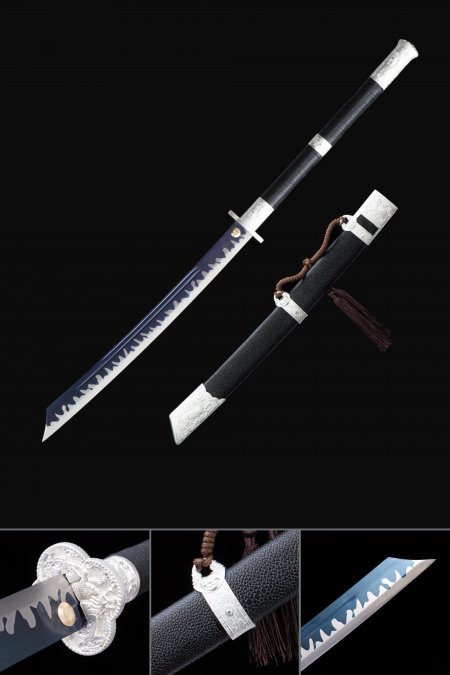
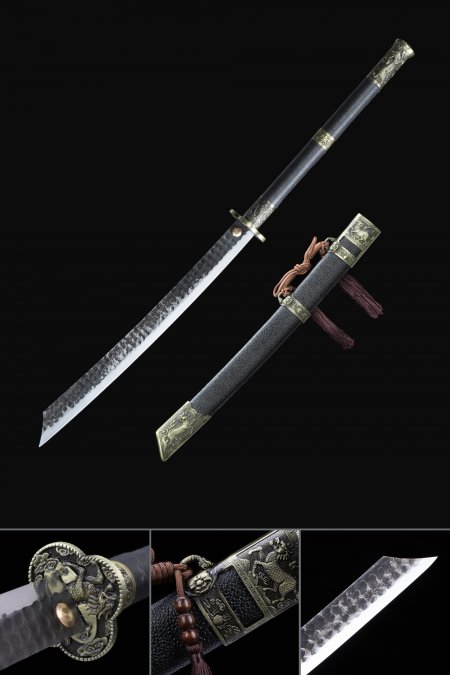
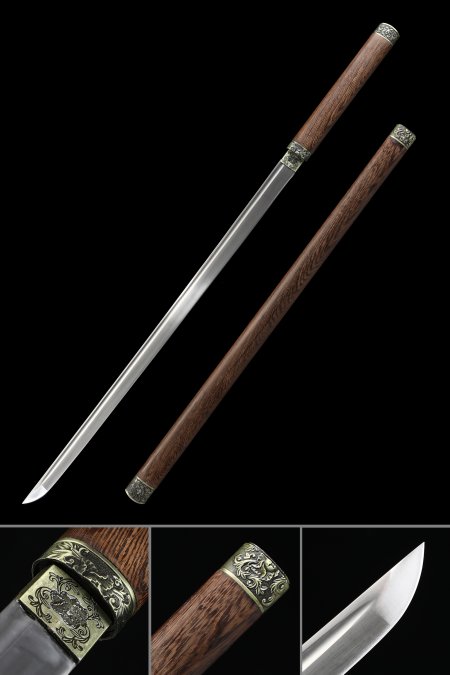
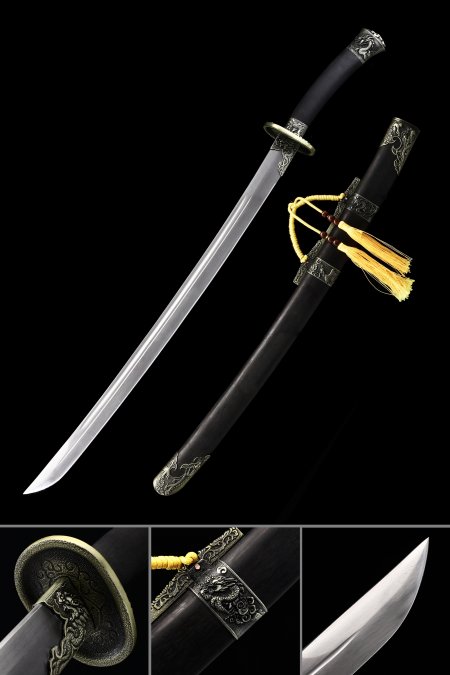
Free Shipping
289.00 USD
Free Shipping
219.00 USD
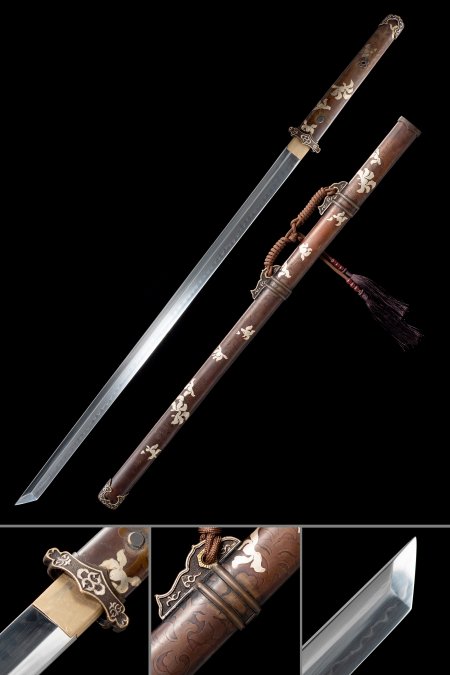
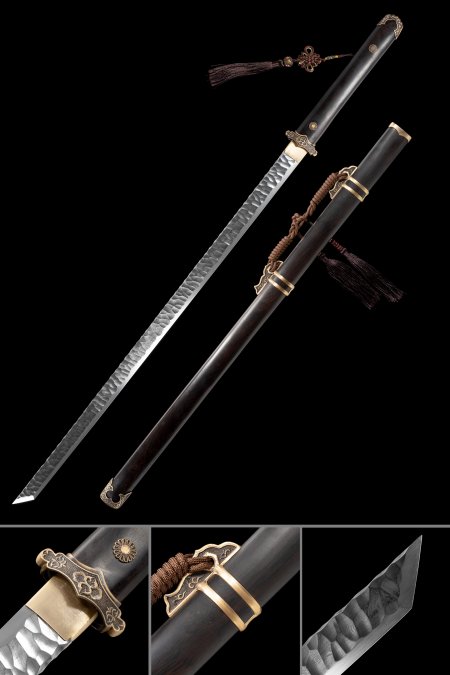
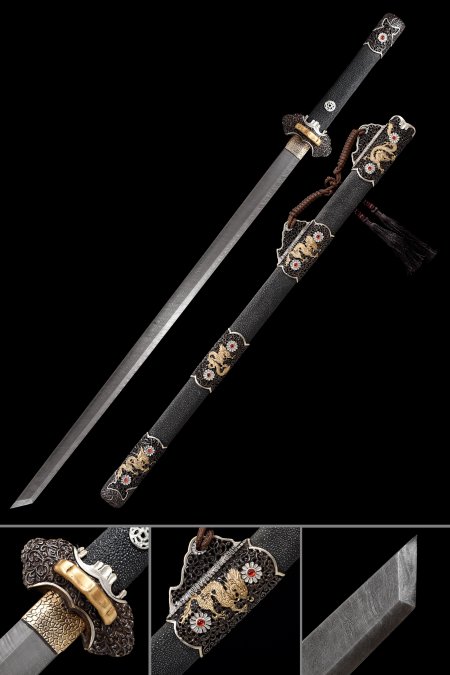
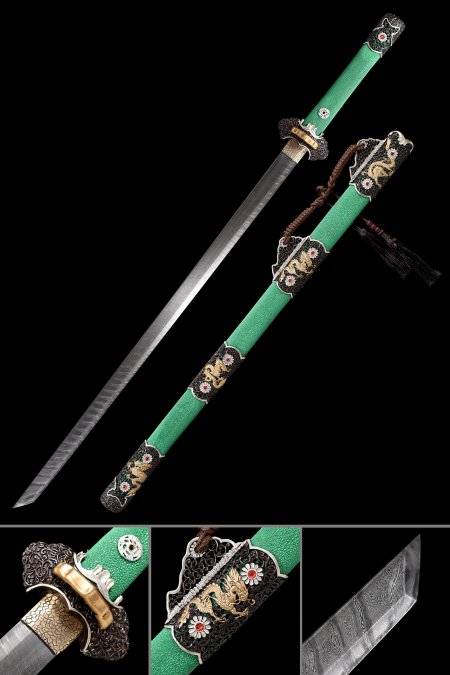
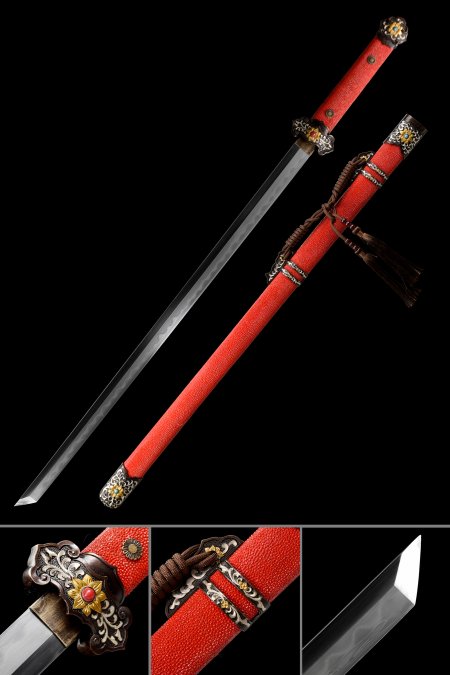
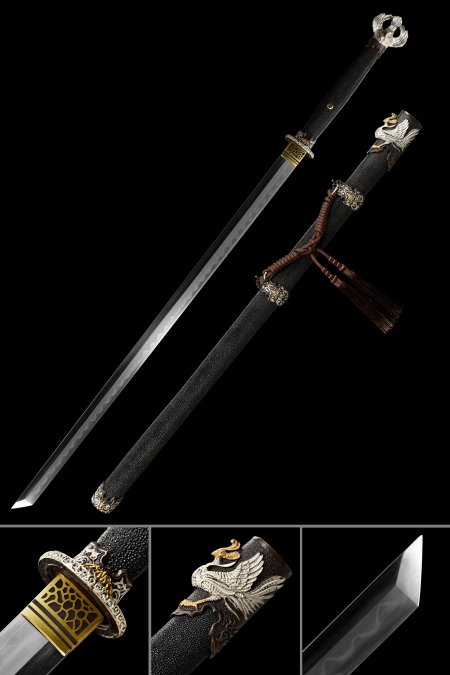
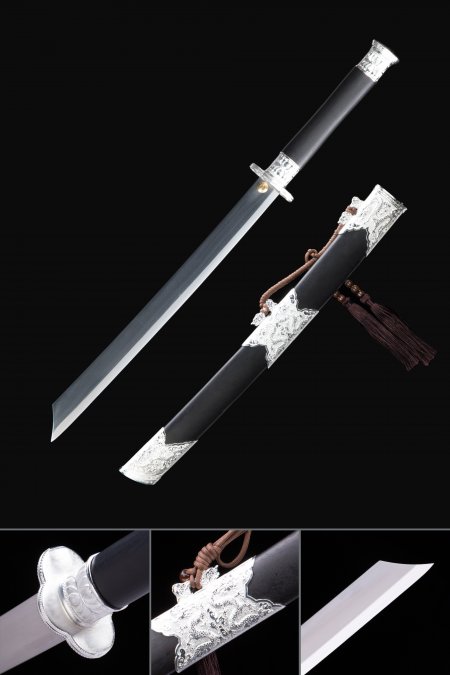
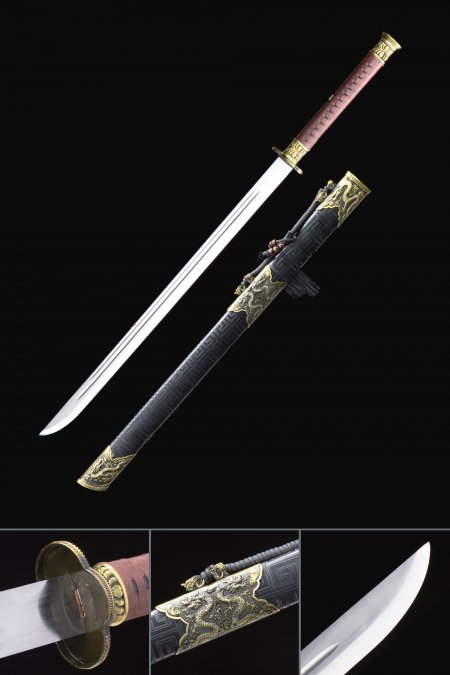
Free Shipping
199.00 USD
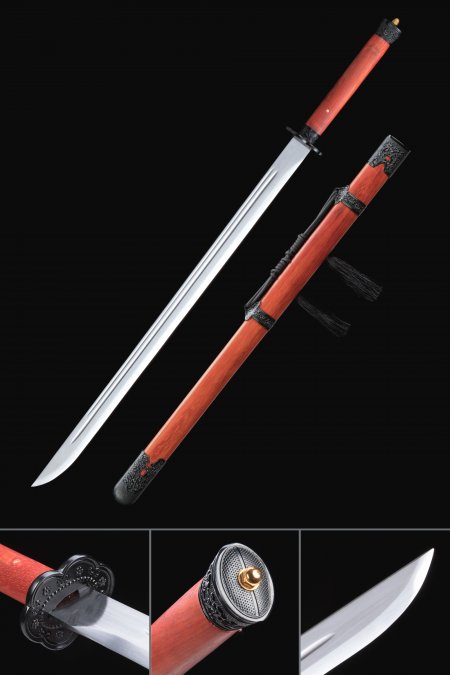
Free Shipping
199.00 USD
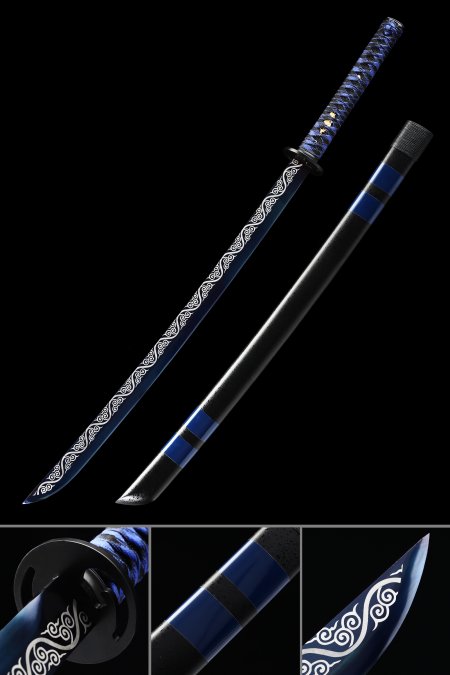
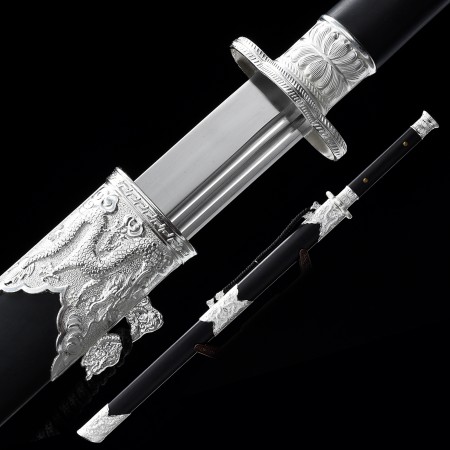
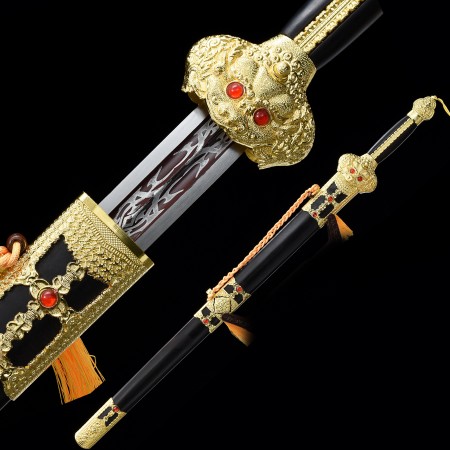
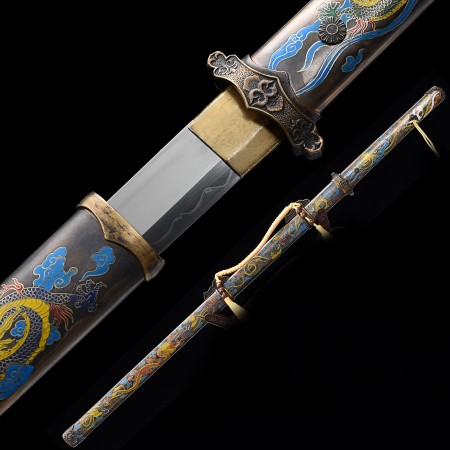
Free Shipping
1,049.00 USD
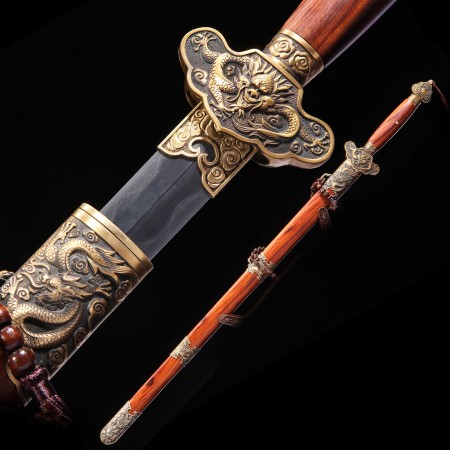
Free Shipping
549.00 USD
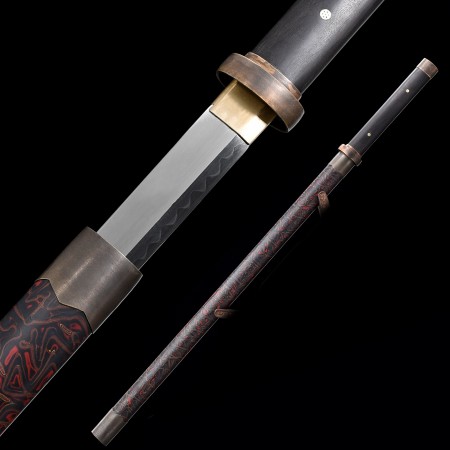
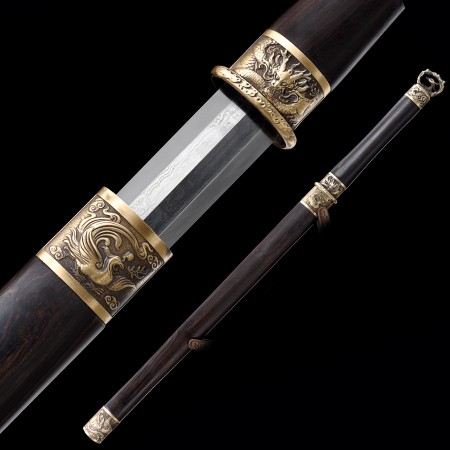
Free Shipping
399.00 USD
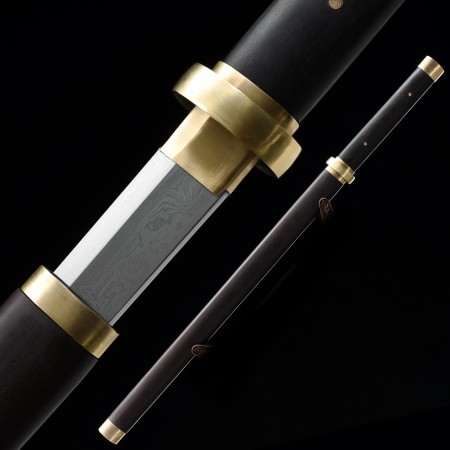
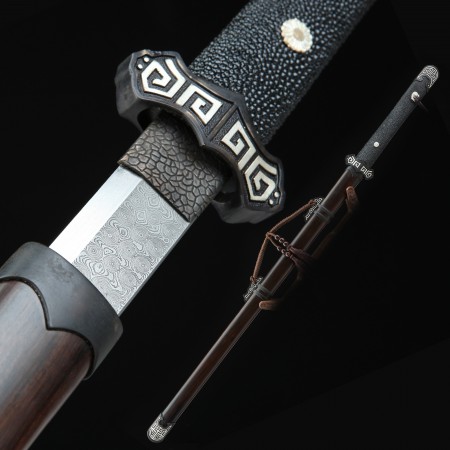
Free Shipping
1,979.00 USD
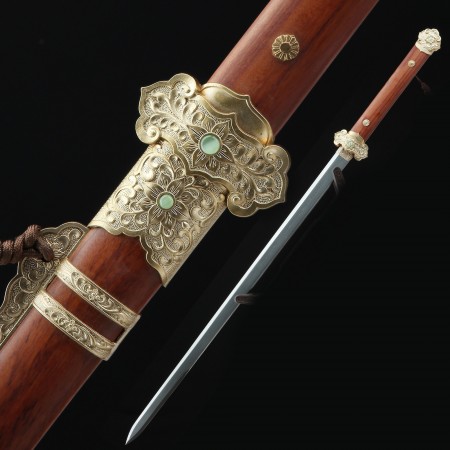
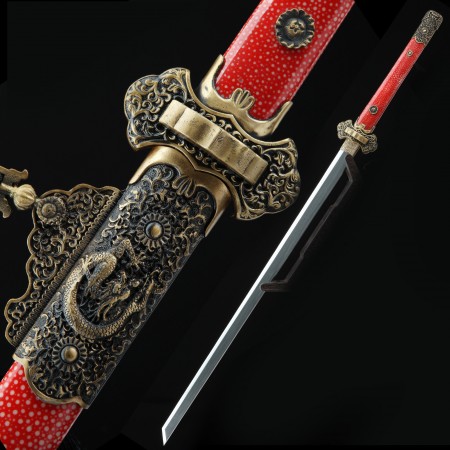
Free Shipping
1,109.00 USD
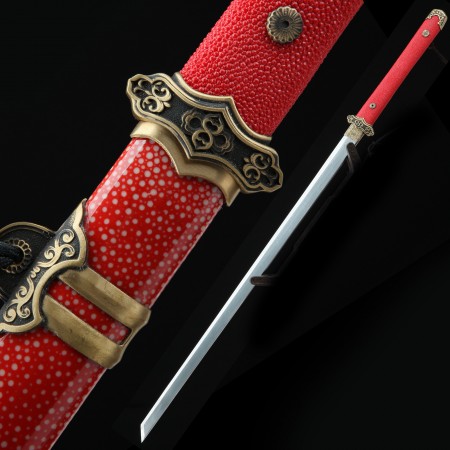
Free Shipping
1,049.00 USD
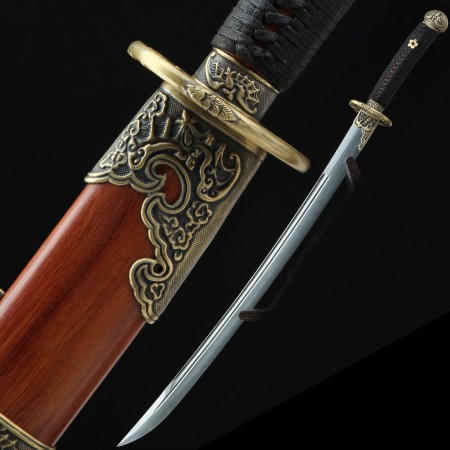
Free Shipping
1,079.00 USD
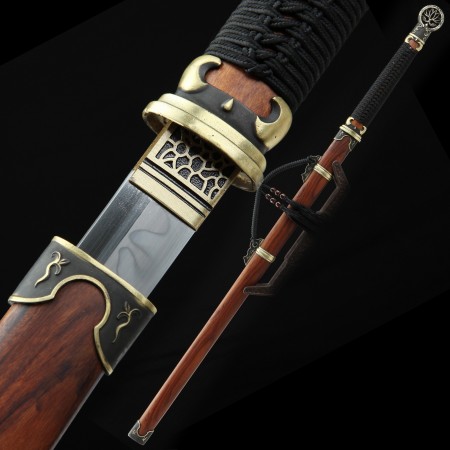
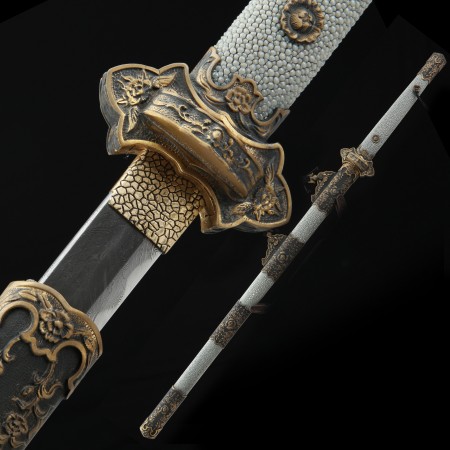
Free Shipping
2,249.00 USD
Related Collections
Frequently Asked Questions
What is the historical origin and significance of the tang dao in Chinese martial culture?
The dao has been the primary cutting blade of Chinese warriors for over two thousand years, with continuous development from the Han Dynasty straight dao through the curved military dao of the Tang and Song periods and into the specialized martial arts formats of the Ming and Qing eras. The term tang dao connects the blade form to the Tang Dynasty period, one of the most militarily and culturally significant periods in Chinese history, when Chinese martial culture reached a peak of refinement that spread throughout East Asia. The Tang Dynasty military dao was a significant influence on the development of Japanese sword forms as well: the straight or lightly curved single-edged blade construction of the Tang period is one of the historical antecedents of the Japanese tachi and katana tradition. In Chinese martial arts, the dao is known as one of the four major weapons alongside the staff, spear, and jian straight sword, and the teaching of dao forms is central to most traditional Chinese martial arts curricula. The different dao formats - oxtail dao, horse-chopper dao, war dao, podao - each represent specific military contexts and usage traditions within the broader dao category.
What dao formats are represented in the tang dao collection?
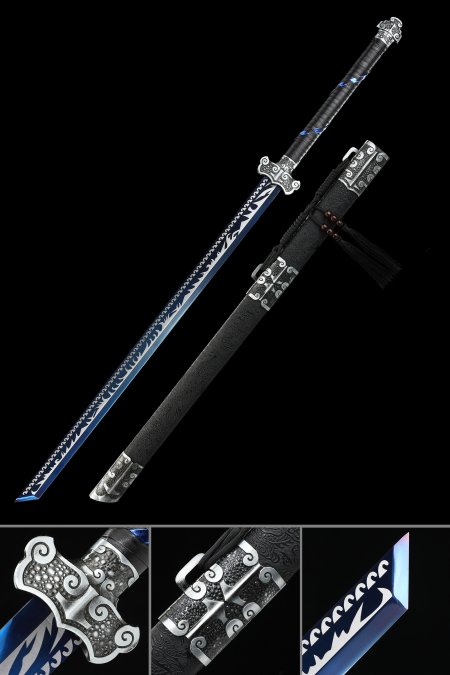
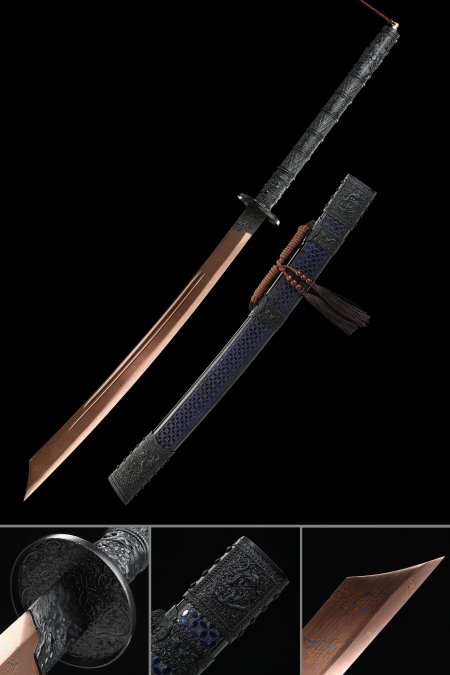
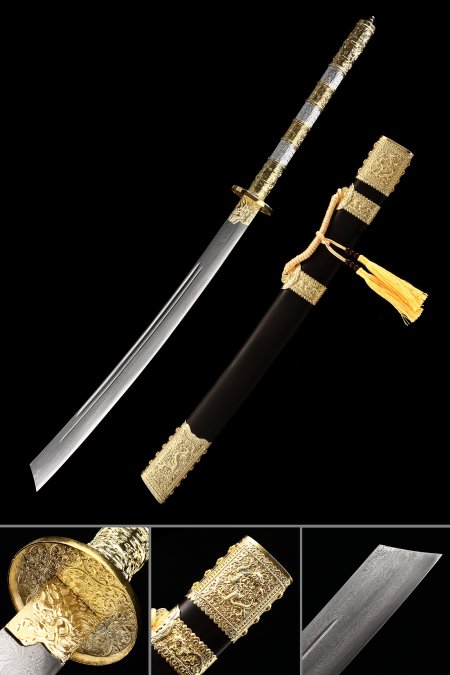
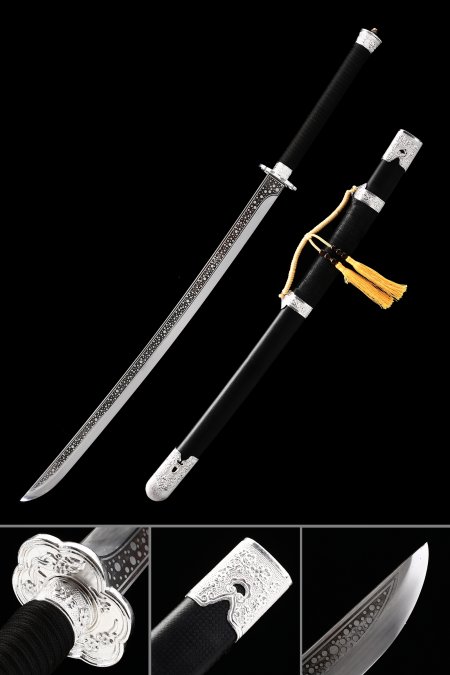
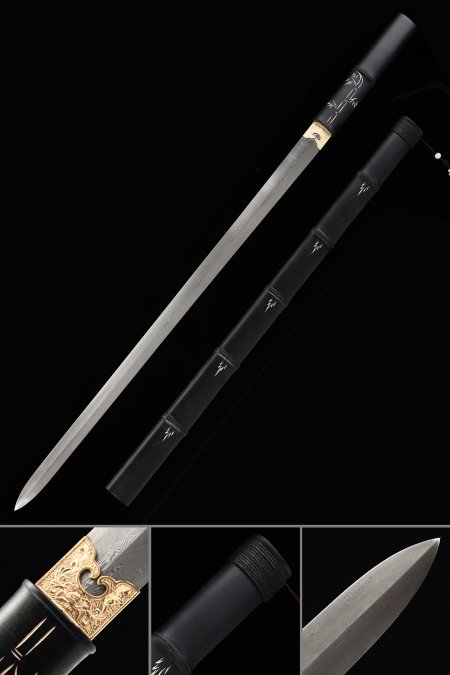
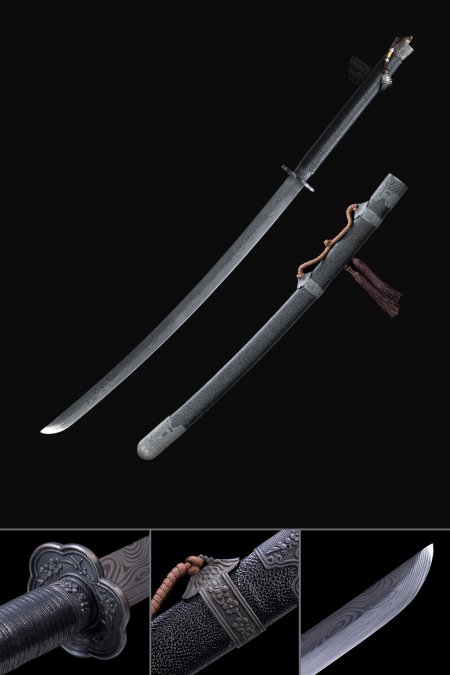
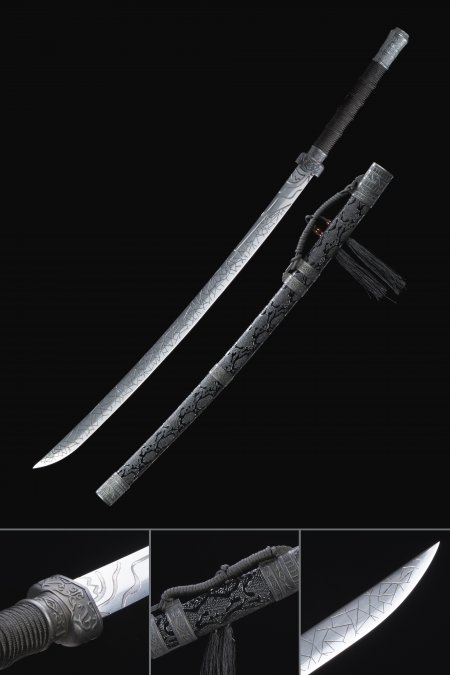
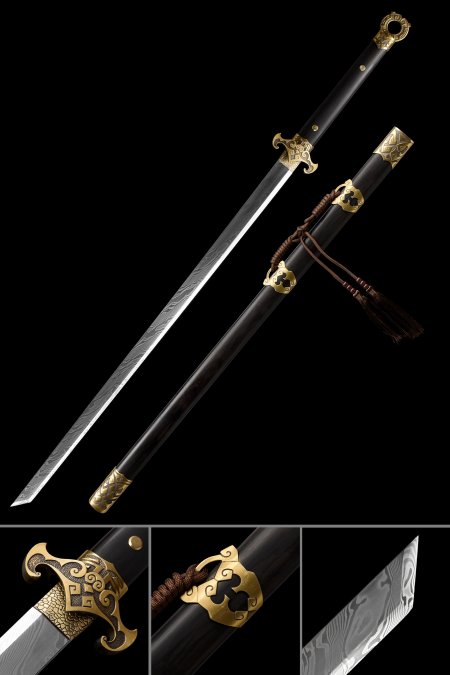
The tang dao collection represents the primary Chinese dao formats that cover the historical and martial arts tradition of the Chinese single-edged blade. Oxtail dao pieces - named for the characteristic flared and curved tip that resembles an ox tail in profile - are among the most recognizable Chinese martial arts dao formats, widely associated with the Qing Dynasty martial arts tradition and still taught in many traditional Chinese martial arts schools. Han Dynasty sword configurations reference the earlier, straighter blade format of the imperial period that predates the more pronounced curvature of the later military dao. The Kangxi chop saber references the military dao of the Kangxi Emperor's period in the Qing Dynasty. Brotherhood dao pieces represent the heavy, sturdy dao format associated with the brotherhood martial traditions of Chinese popular culture. Podao pieces are the long-blade dao variant - a larger format that sits between the standard dao and polearm categories. The collection covers this range of formats in multiple steel grades and color configurations.
What steel grades are available in the tang dao collection?
Tang dao pieces in this collection are built from several steel grades that cover both traditional carbon steel and high-performance modern options. 1095 carbon steel appears in multiple oxtail dao pieces: the high carbon content delivers excellent blade hardness with strong edge retention, making it a particularly appropriate grade for the dao format where cutting performance is a primary consideration in the traditional martial arts context. Spring steel - typically a 65Mn or similar manganese-spring alloy - appears in the podao format and provides exceptional flexibility alongside good hardness, a combination that suits the large-format long-blade dao. Manganese Steel delivers the highest surface hardness in the collection and supports the blue blade treatment of the podao configuration. 1045 carbon steel provides the accessible foundational grade in the Kangxi chop saber configuration. 1065 carbon steel in a later addition represents the enhanced mid-range grade. Stainless steel appears in one configuration for collectors specifically seeking a low-maintenance display option. All full-tang pieces run the blade steel continuously through the handle body.
How does the Chinese tang dao differ from a Japanese katana in construction and aesthetics?
The Chinese tang dao and Japanese katana share the fundamental format of a single-edged curved blade, but differ significantly in construction specifics, aesthetic character, and martial tradition. The dao's blade geometry tends to be broader and heavier toward the point than the katana, particularly in the oxtail dao format where the blade flares and widens at the tip - this is the opposite of the katana's gradual taper to a fine point. The dao's curve is typically more abrupt and pronounced in certain formats, while the katana's curve is a more consistent and elegant arc along the full blade length. In handle construction, most dao use a straight handle without the pronounced curvature of the katana's handle, and the guard - hudiegou or hilt plate - has a different geometry from the katana's tsuba. The scabbard of a dao is typically a wooden core with fabric, leather, or lacquer covering, which differs in construction approach from the lacquered wooden saya of the katana. In display, the dao creates an immediately different silhouette from the katana, communicating the Chinese martial tradition in contrast to the Japanese blade forms.
Customer Reviews
David Edward Self
Tennessee, United States
Very excellent piece!Absolutely beautiful craftsmanship!Sturdy and reliable!Would highly recommend!
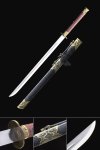 |
Handmade Spring Steel Straight Blade Chinese War Dao Broadsword With Black Scabbard |
Anthony Troublefield
Kentucky, United States
Verry good Don't like how the tang looks and it's not that sharp but otherwise 5 star verry good
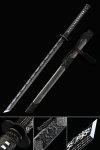 |
Chinese Dao Broadsword - Manganese Steel Black Blade With Dragon Scale Leather Scabbard 44 Inches |
Adam Ernst
New York, United States
The sword is absolutely beautiful. Super high quality! Would recommend to anyone.
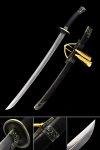 |
Oxtail Dao - Clay Tempered 1095 Carbon Steel Chinese Broadsword With Ebony Scabbard |
Tiffany Hollingshead
Arkansas, United States
It's a little heavy, but definitely nice. Very beautiful sword. Shipping was really fast and packaged very well.
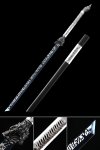 |
Handmade Chinese Dao Sword Tang Dynasty Full Tang With Blue Blade |
Monty Burich
Washington, United States
What a beautiful blade! I have not been able to cut and mats yet, but this sword seems like one strong blade! It was well sharpened and the workmanship is very nice. I highly recommend this sword of you are a fan of Chinese history.
 |
High-performance 1095 Carbon Steel Real Hamon Chinese Tang Dynasty Sword With Multi-colored Scabbard |
Jacky Huang
New York, United States
really clean sword, the end of the hilt is a bit scuffed but besides that really nice overall.
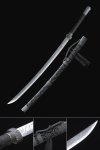 |
Chinese Dao Broadsword - Manganese Steel Full Tang With Textured Black Scabbard & Alloy Fittings |
David Edward Self
Tennessee, United States
This blade is absolutely beautiful.I was completely blown away by the craftsmanship of this sword.Would highly recommend and is worth every penny.
|
Oxtail Dao - Clay Tempered 1095 Carbon Steel Chinese Broadsword With Ebony Scabbard |
Paul King
North Caro, United States
The sword is absolutely outstanding thank you very much.
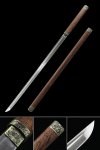 |
Tang Dynasty Peony Jian - Handmade 1045 Carbon Steel Chinese Straight Sword With Hardwood Scabbard |