FAST SHIP
Free Shipping
169.00 USD
ON SALE! 15% OFF
Was: 199.00 USD

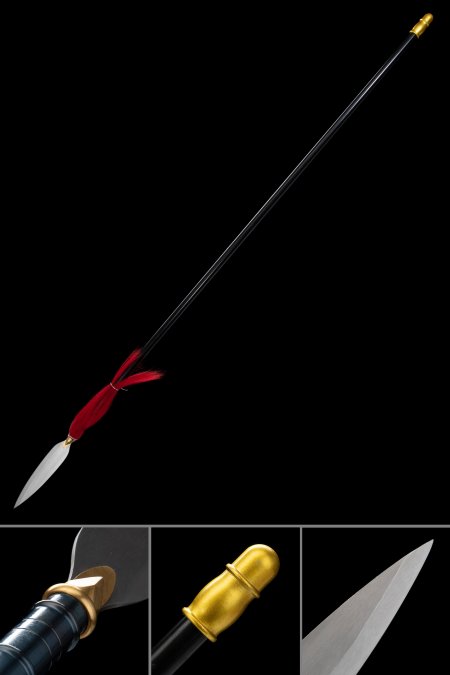
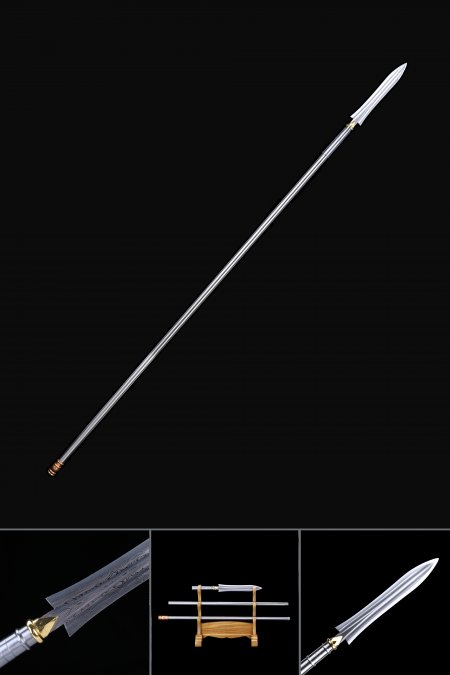
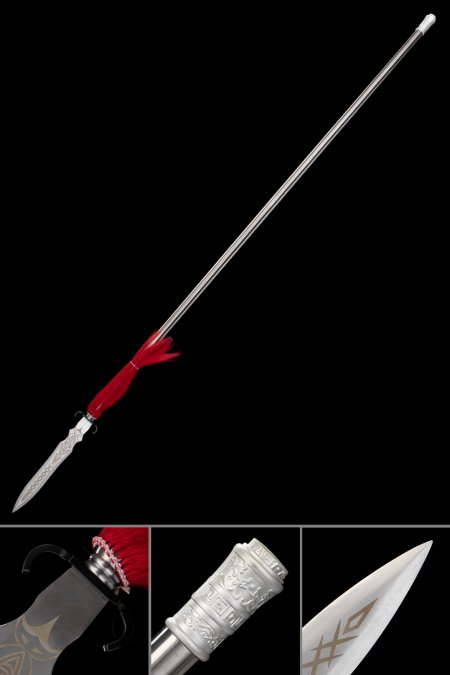
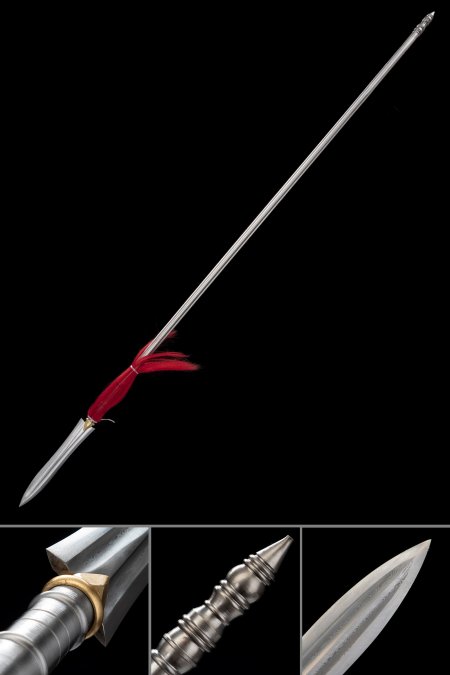
Shop our Chinese spear weapon collection - handcrafted Chinese polearm swords and dao sword collectibles in Manganese Steel, 1045, and 1095 carbon steel, including Guan Dao crescent blades, Chinese overlord spears, Han dynasty jian, and traditional dao broadswords with full-tang construction. Chinese spear weapon collectibles span the full range of Chinese polearm and long-blade martial heritage. Free US shipping and hassle-free returns included.
My sons were very excited to get these katanas! Great service and I would recommend TrueKatana.com
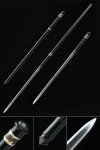 |
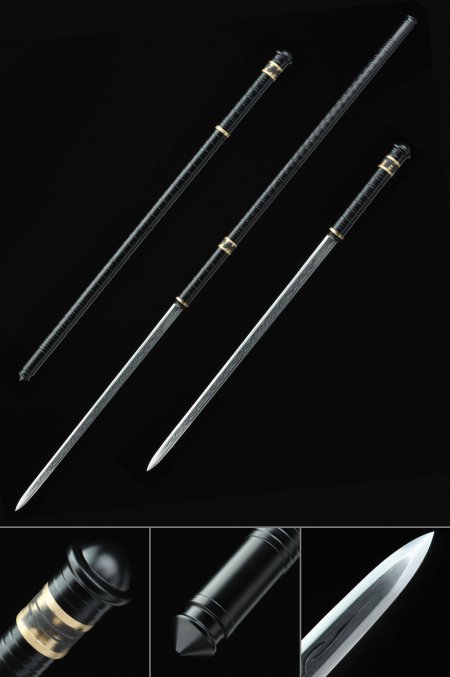
1045 Carbon Steel Expandable Spear Sword with Black Iron Saya and Brass Accents - Ninjato Collectible |
I love the spear. It has a really nice weight to it and it is longer than I thought it would be which is perfect for me.
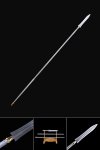 |
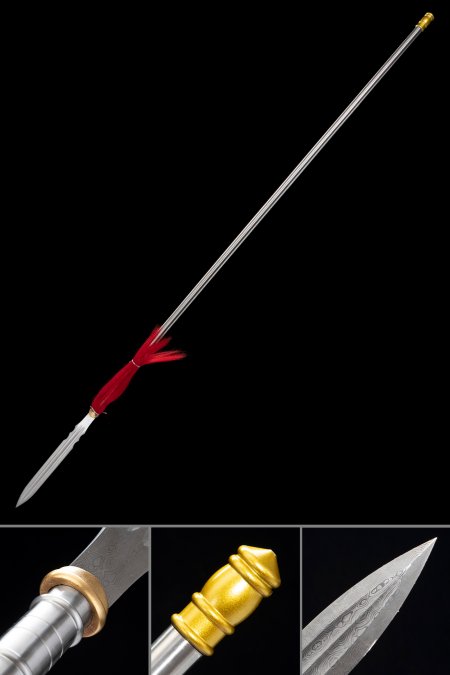
Chinese Overlord Spear - Manganese Steel Kung Fu Spear 79 Inches Foldable With Polished Blade |
Truly awesome especially cause u follow through with deliveries and make a great product!
|
1045 Carbon Steel Expandable Spear Sword with Black Iron Saya and Brass Accents - Ninjato Collectible |
The blade arrived a little crooked but overall, it still looks amazing.
|
1045 Carbon Steel Expandable Spear Sword with Black Iron Saya and Brass Accents - Ninjato Collectible |
Great weapon to study with. Solid. If there were a strong twist and click twist and lock for quicker access connecting components. I love it.
|
1045 Carbon Steel Expandable Spear Sword with Black Iron Saya and Brass Accents - Ninjato Collectible |
The Ninjato came with quick delivery. It is A well made and beautiful product for it's price. Thanks for the discount True Katana.
|
1045 Carbon Steel Expandable Spear Sword with Black Iron Saya and Brass Accents - Ninjato Collectible |
The Ninjato condenses down to the height of a walking stick.
It’s heavy enough for cane defense.
Inner hardware is sturdy.
When opened up as a pole-arm, the Ninjato feels graceful while stabbing and thrusting. I find this to be a very fun weapon to have and look forward to incorporating this piece into my practice.
|
1045 Carbon Steel Expandable Spear Sword with Black Iron Saya and Brass Accents - Ninjato Collectible |
Just a little dirty, but the sword is in really good shape!
|
1045 Carbon Steel Expandable Spear Sword with Black Iron Saya and Brass Accents - Ninjato Collectible |