FAST SHIP
Free Shipping
199.00 USD
ON SALE! 15% OFF
Was: 229.00 USD

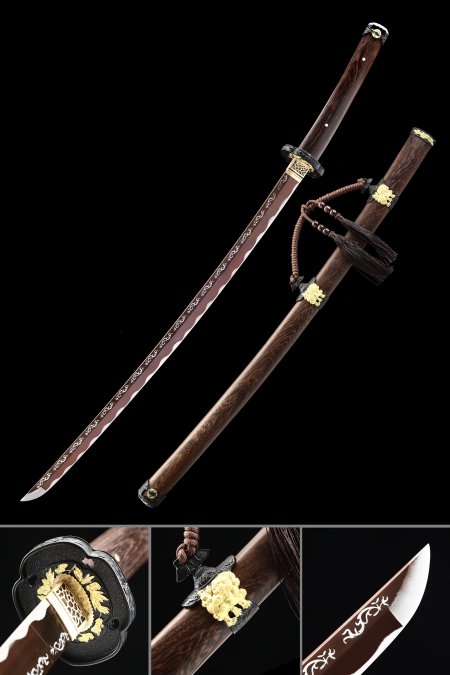
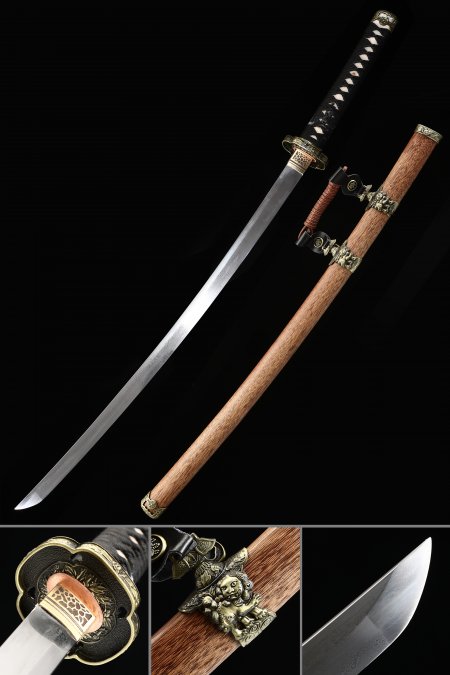
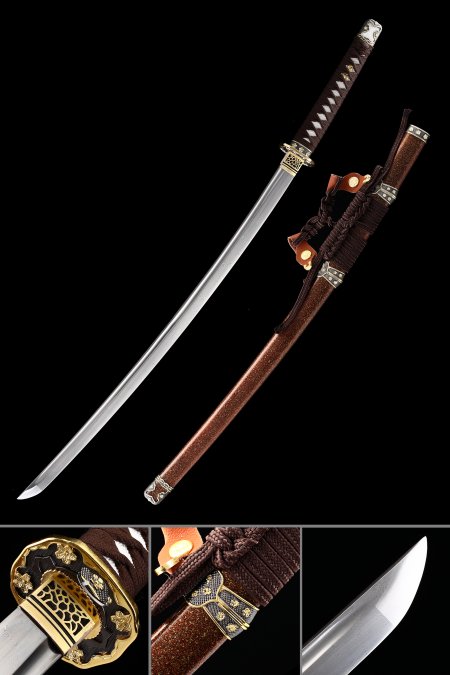
The Brown Saya Tachi collection brings together hand-forged long swords dressed in warm-toned natural hardwood scabbards, each finished with period-authentic koshirae - from gold alloy flower tsuba to chrysanthemum and floral copper fittings. Whether rendered in Damascus layered steel or clay-tempered 1095 carbon, every piece is crafted for the discerning collector who values both metallurgical artistry and classical Japanese aesthetics. Free standard shipping is included on all orders, and returns are always hassle-free.
My fiancé was almost in tears when he opened his gift!! He has always wanted a katana and was absolutely speechless at how beautiful it is. r
The delivery was quick and it looked even better in person! Thank you
 |
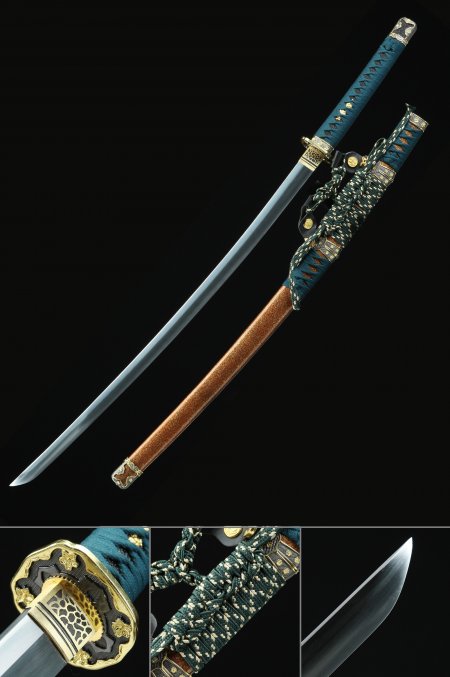
Clay Tempered 1095 Carbon Steel Tachi Sword with Teal Ito Wrap and Bronze-Shimmer Saya in Gold Fittings |
My son loves his new sword. Will be order again. Highly recommend.
|
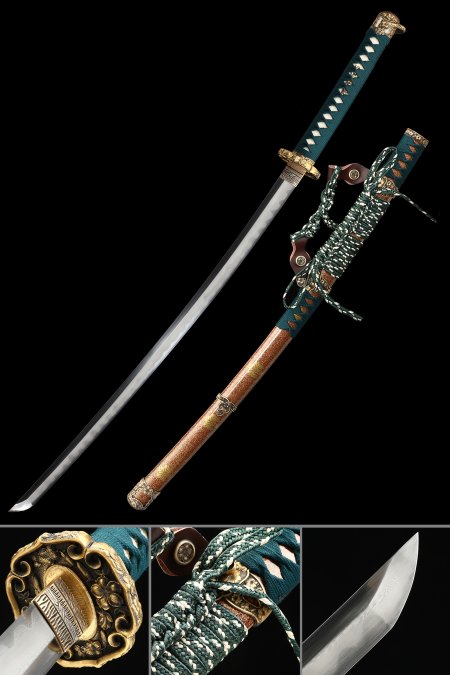
Clay Tempered 1095 Carbon Steel Tachi Sword with Teal Ito Wrap and Bronze-Shimmer Saya in Gold Fittings |
The blade came pretty promptly. Took it out of the box and looks just like the pictures online. Appears well made and of good quality. Blade is very sharp. Cant wait to give to my friend for his birthday.
 |
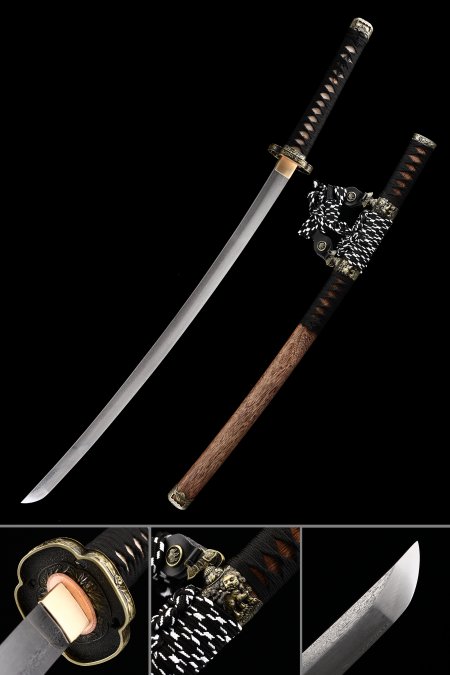
Damascus Steel Tachi Sword with Natural Hardwood Saya, Gold-Black Copper Tsuba & Black Ito |
Sword’s a beauty. The scabbard feels a bit delicate towards the tail end though.
|
Clay Tempered 1095 Carbon Steel Tachi Sword with Teal Ito Wrap and Bronze-Shimmer Saya in Gold Fittings |
This sword is sensational, masterpiece! Thank you 🙏
|
Clay Tempered 1095 Carbon Steel Tachi Sword with Teal Ito Wrap and Bronze-Shimmer Saya in Gold Fittings |
Got it as a gift and the person loved it, I do recommend to anyone into this stuff
|
Clay Tempered 1095 Carbon Steel Tachi Sword with Teal Ito Wrap and Bronze-Shimmer Saya in Gold Fittings |
It was bought as a gift for my son and he loves it . It was a great shopping experience and trouble free.
|
Clay Tempered 1095 Carbon Steel Tachi Sword with Teal Ito Wrap and Bronze-Shimmer Saya in Gold Fittings |
Love this blade!Excellent craftsmanship and beautiful design!Would highly recommend!
|
Clay Tempered 1095 Carbon Steel Tachi Sword with Teal Ito Wrap and Bronze-Shimmer Saya in Gold Fittings |