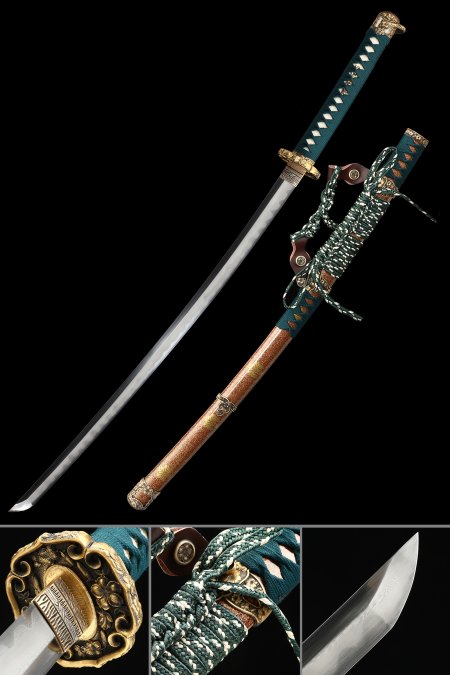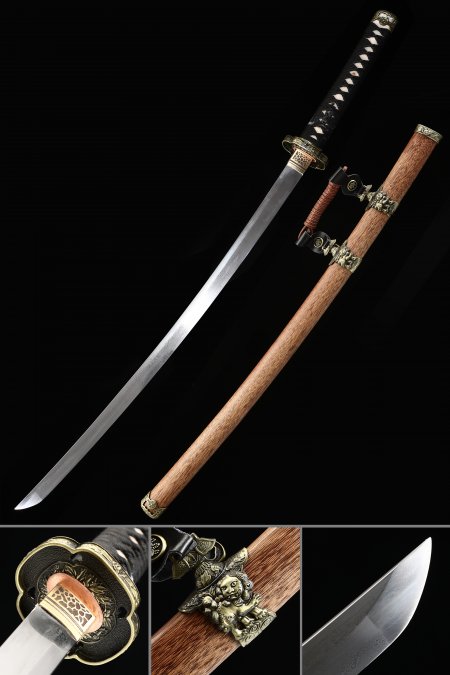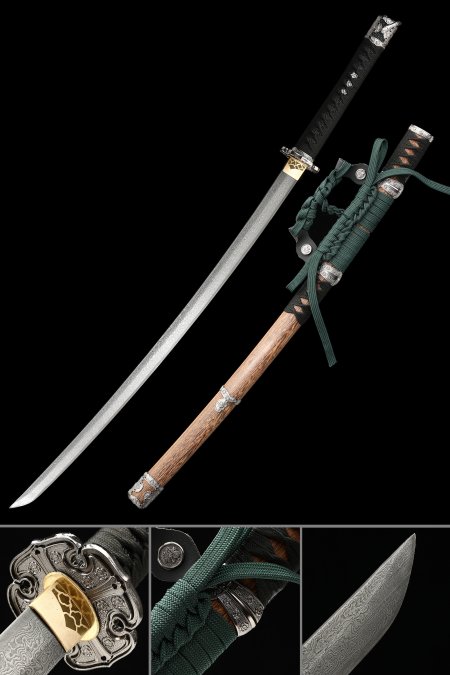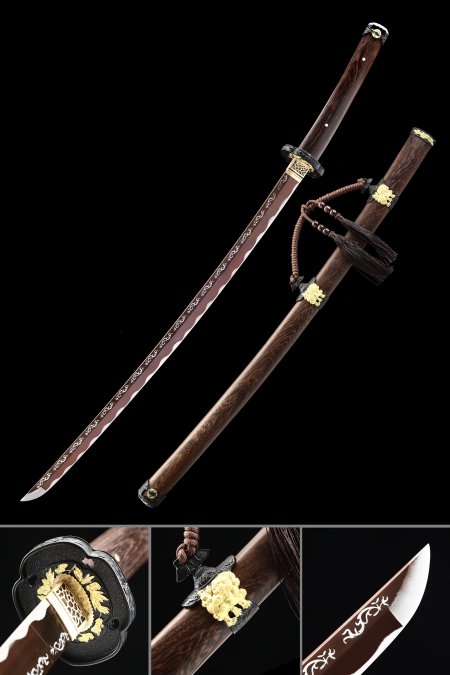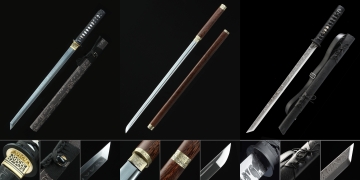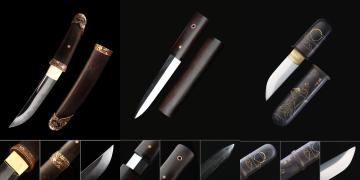
Brown Tachi Sword

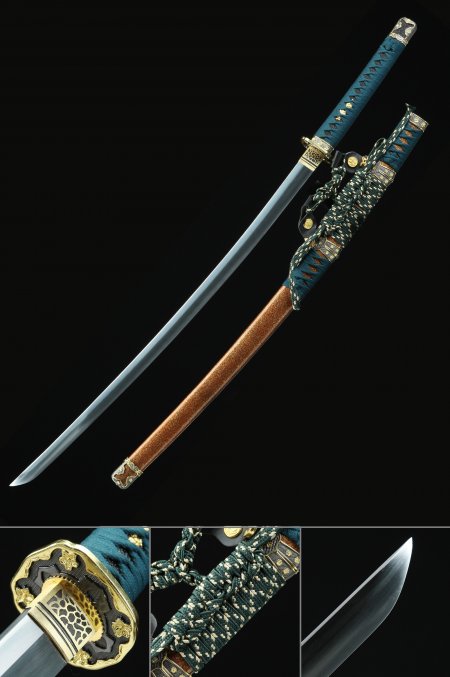
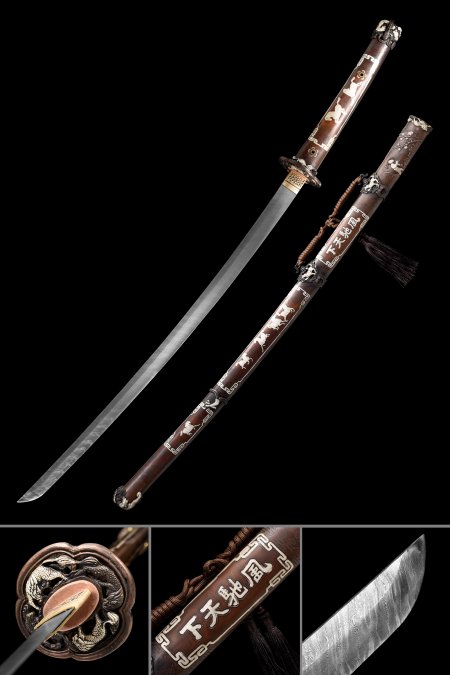
Explore our curated selection of brown tachi swords, each hand-forged with traditional techniques and finished with richly toned brown hardwood saya. From Damascus steel blades to clay-tempered 1095 carbon steel, every piece showcases authentic Japanese craftsmanship suited for distinguished collections and elegant display. All orders ship free with hassle-free returns.
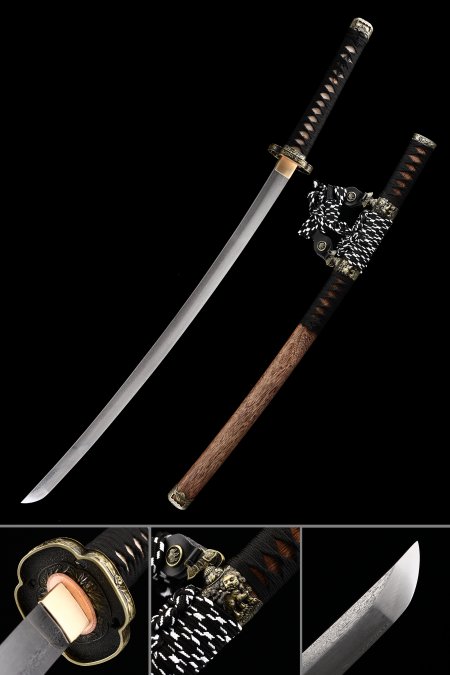
Showing 7 Products

Related Collections

Brown Tanto15 items


43 Reviews

Brown Wakizashi6 items


71 Reviews

Brown Ninjato8 items


34 Reviews

Brown Aikuchi5 items


9 Reviews

Frequently Asked Questions

What steel types are used in brown tachi swords?
Our brown tachi collection primarily features two steel categories. Damascus steel blades are created by folding and layering multiple steel billets — often combining high-carbon and softer steels — which produces the distinctive wavy grain pattern (hada) visible on the blade surface. The other common option is 1095 carbon steel, a high-carbon monosteel favored for its ability to hold a clay-tempered hamon. Some pieces also incorporate manganese steel for added resilience. Each steel type produces different visual characteristics on the finished blade, so collectors often choose based on whether they prefer the layered Damascus texture or the clean temper line of a clay-hardened 1095 edge.
How does a tachi differ from a katana in design?
The most immediate difference is the mounting style. A tachi is designed to be worn suspended from the belt with the cutting edge facing downward, while a katana is thrust through the obi with the edge facing upward. This affects the curvature profile — tachi blades typically have a deeper, more pronounced sori (curve) centered closer to the middle of the blade rather than near the grip. The tang signatures also traditionally differ: a tachi mei is inscribed so it reads correctly when the sword hangs edge-down. In terms of overall length, tachi are generally comparable to katana, but their fittings and saya often feature more elaborate decoration reflecting their origins as prestigious mounted swords.
Why choose a brown hardwood saya over lacquered options?
Brown hardwood saya offer a distinctly organic aesthetic that lacquered finishes cannot replicate. Natural woods like rosewood display unique grain patterns, meaning each scabbard has individual character. The matte to satin surface of uncoated hardwood ages gracefully over time, developing a subtle patina that collectors appreciate. From a display perspective, brown tones are exceptionally versatile — they harmonize with both dark-mounted and light-mounted stands and do not compete visually with intricate tsuba designs or colorful ito wrapping. Maintenance is straightforward: occasional application of a light wood-safe oil keeps the saya conditioned and prevents drying or hairline cracks in low-humidity environments.
What is the best way to display and maintain a tachi?
Horizontal wall mounts or dedicated tachi stands that support the sword at two points — near the habaki and toward the kojiri — are ideal for long-term display. Because the tachi's deeper curvature is part of its visual identity, a stand that lets the curve arc naturally is preferable. For maintenance, wipe the blade with a soft cloth after any handling to remove skin oils, then apply a thin layer of choji oil or refined mineral oil using a flannel pad. Store in a climate-controlled room between 40–60% relative humidity. For the brown hardwood saya specifically, avoid placing it in direct sunlight for extended periods, as UV exposure can unevenly lighten natural wood tones over time.
Are these brown tachi swords suitable as gifts for collectors?
Absolutely. The brown tachi combines visual warmth with serious craftsmanship, making it a thoughtful and impressive gift. Each piece arrives with its complete koshirae — tsuba, tsuka wrapping, sageo, and saya — so the recipient receives a fully dressed sword ready for display. The natural hardwood saya adds a personal touch since no two pieces share identical grain patterns. For someone new to Japanese sword collecting, a tachi is an excellent starting point because of its historical significance as one of the earliest long-sword forms. Paired with a brief note about the tachi's heritage and the specific steel used, it becomes both a beautiful display object and an educational conversation piece.

Customer Reviews

Cart 0 Items

Your cart is empty