How does clay tempering affect a katana's appearance and structure?

 Updated Feb 2026

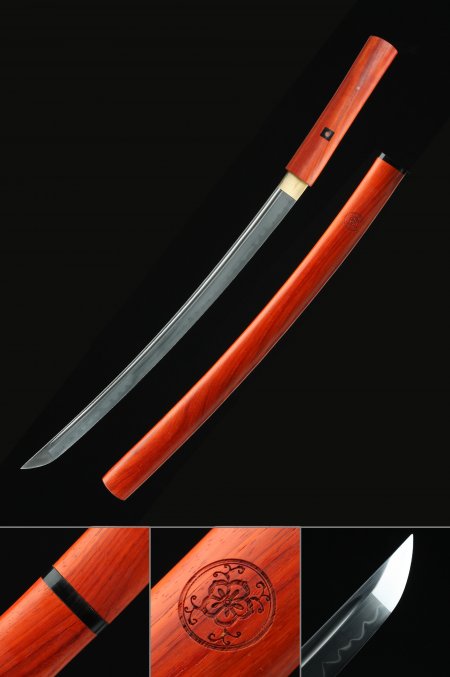
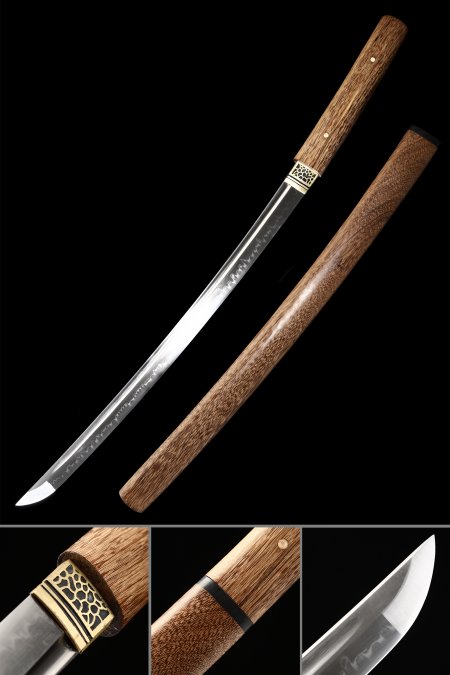
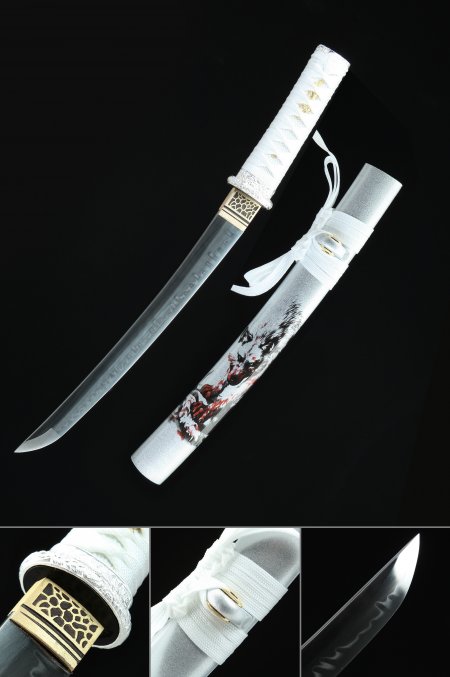
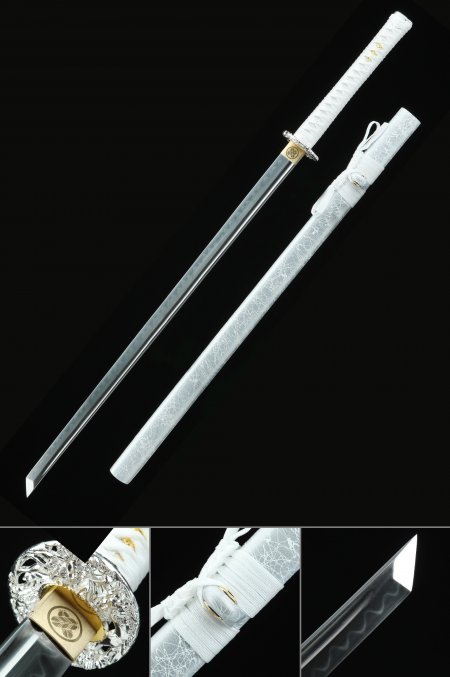
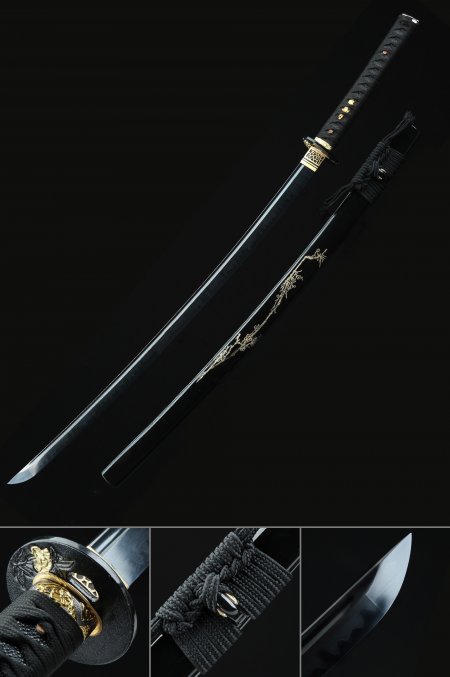
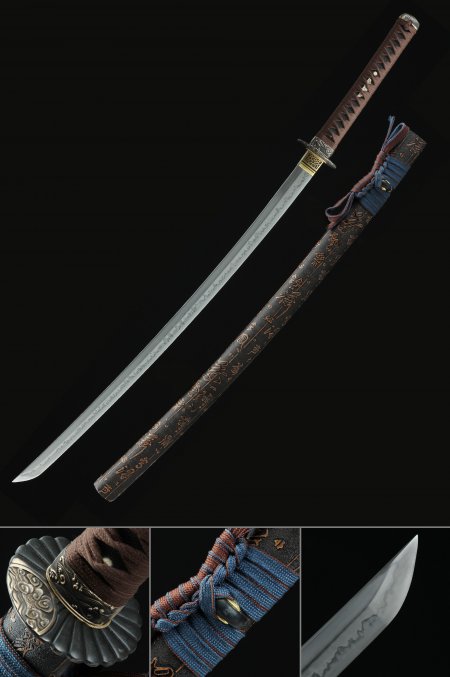
Clay tempering — known as tsuchioki in Japanese swordsmithing — is a differential heat treatment process where the smith coats the spine and sides of the blade with a thick clay mixture before the quench, leaving the cutting edge relatively exposed. When plunged into water, the exposed edge cools rapidly and transforms into hard martensite, while the clay-insulated spine cools slowly and remains tougher and more flexible. This contrast produces the hamon — a visible boundary line of crystalline activity that runs along the blade's length. Every hamon is unique, shaped by the clay application pattern, the quench timing, and the steel's carbon distribution. On T10 steel, the hamon tends to display exceptional clarity and fine activity, making it especially prized among collectors who value blades as visual objects as much as functional artifacts.
Popular Products

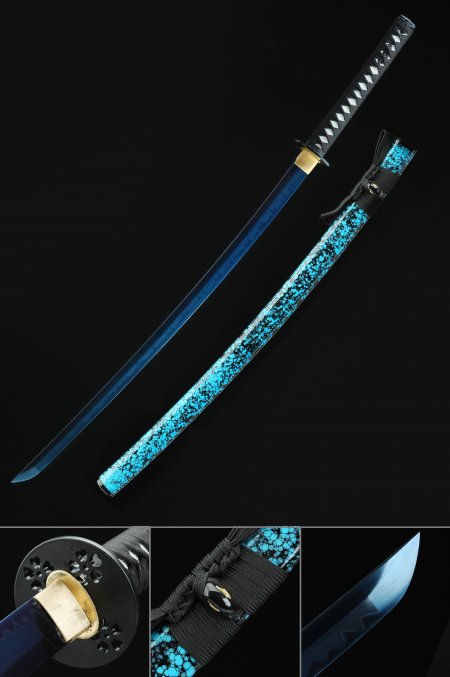
20% OFFblue katana
209.00 USD
259.00 USD
20% OFF
259.00 USD
329.00 USD
20% OFFjapanese katana
169.00 USD
209.00 USD
15% OFFshirasaya tanto
149.00 USD
179.00 USD
15% OFFpink katana
189.00 USD
219.00 USD
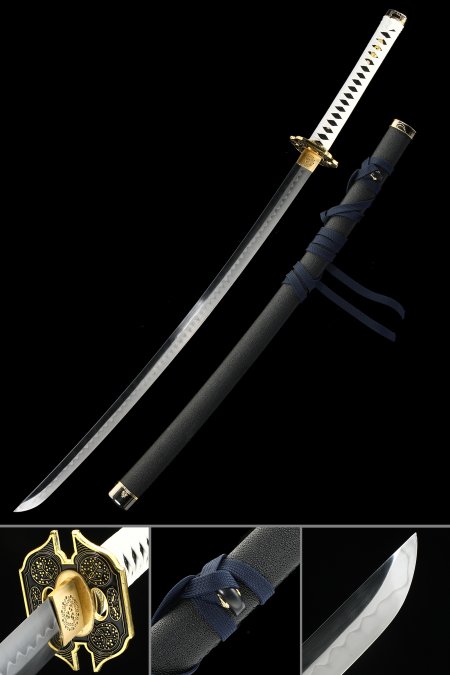
15% OFFblack katana
199.00 USD
229.00 USD
20% OFFshirasaya wakizashi
219.00 USD
269.00 USD
20% OFFshirasaya wakizashi
179.00 USD
219.00 USD
15% OFFtanto sword
149.00 USD
179.00 USD
20% OFFchokuto sword
159.00 USD
199.00 USD
20% OFFblack katana
209.00 USD
259.00 USD
20% OFFfull tang katana
319.00 USD
399.00 USD
20% OFFblue katana
209.00 USD
259.00 USD
20% OFF
259.00 USD
329.00 USD
20% OFFjapanese katana
169.00 USD
209.00 USD
15% OFFshirasaya tanto
149.00 USD
179.00 USD
15% OFFpink katana
189.00 USD
219.00 USD
15% OFFblack katana
199.00 USD
229.00 USD
20% OFFshirasaya wakizashi
219.00 USD
269.00 USD
20% OFFshirasaya wakizashi
179.00 USD
219.00 USD
15% OFFtanto sword
149.00 USD
179.00 USD
20% OFFchokuto sword
159.00 USD
199.00 USD
20% OFFblack katana
209.00 USD
259.00 USD
20% OFFfull tang katana
319.00 USD
399.00 USD

Explore Our Collections