What is the clay-tempering process and how does it create the hamon?
Updated Feb 2026
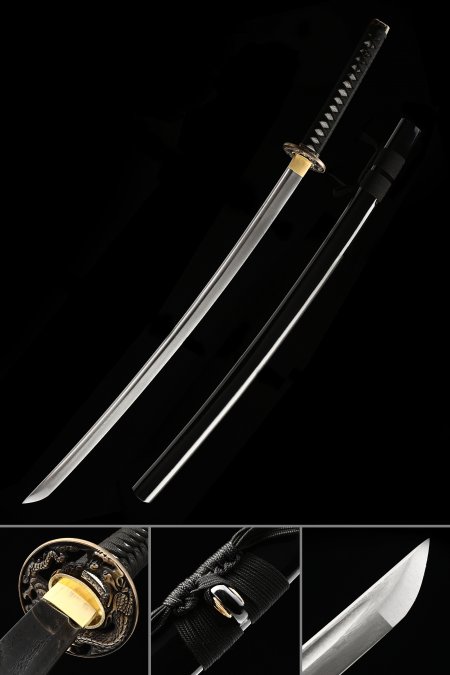
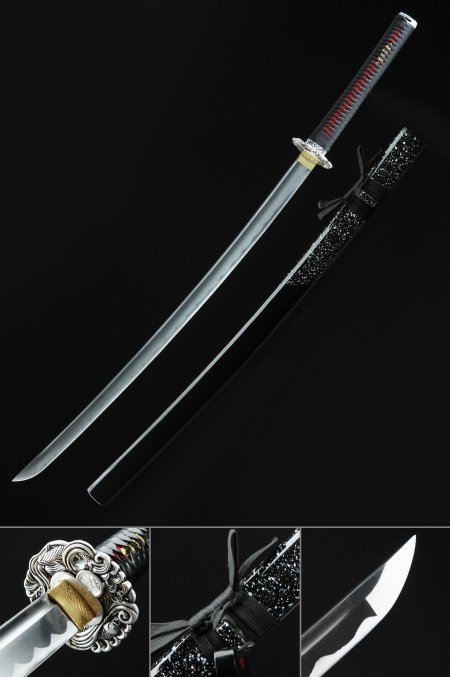
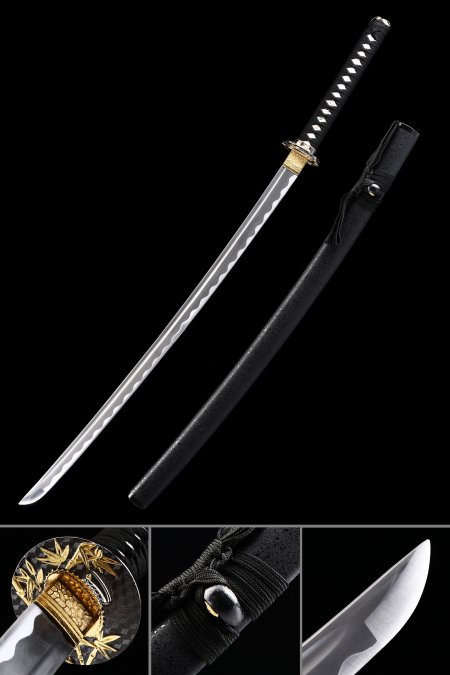
Clay tempering is a traditional Japanese heat treatment technique that creates differential hardness across the blade through controlled quenching. Before the quench, a clay mixture is applied to the blade spine - this insulating layer prevents rapid cooling in that zone. The edge, left exposed or with minimal clay, cools rapidly in the quench water, transforming the carbon steel in the edge zone to martensite, the hardest phase. The clay-protected spine cools slowly, remaining in a softer and tougher phase called pearlite. The visible boundary between these two zones is the hamon - the temper line that runs along the full blade length. The specific shape and activity of the hamon depends on how the clay was applied, the steel grade, and the quench parameters controlled by the smith.