How does clay tempering create a real hamon on T10 steel?
Updated Feb 2026
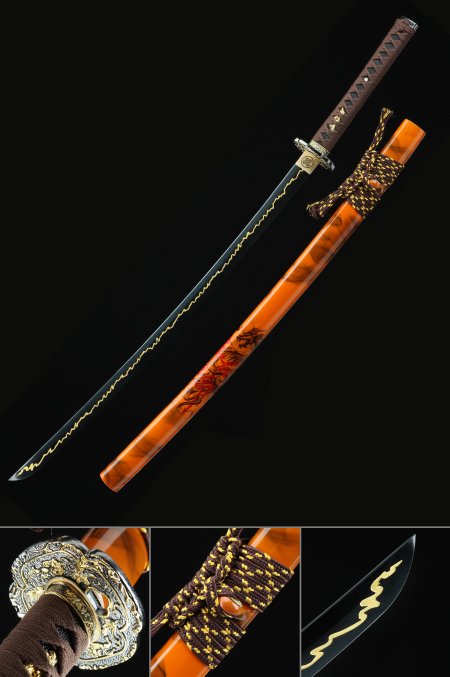
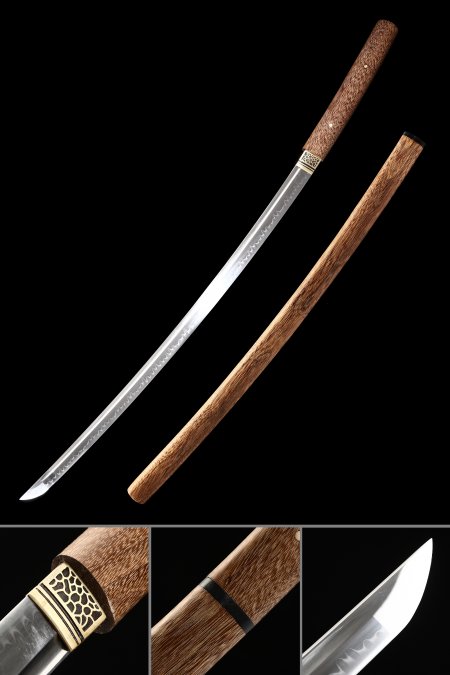
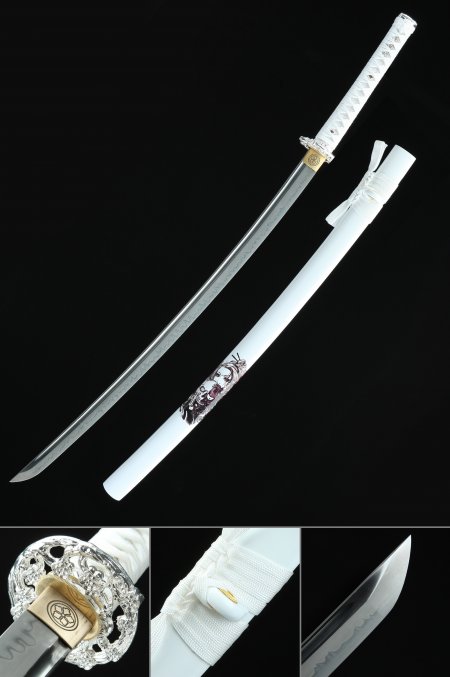
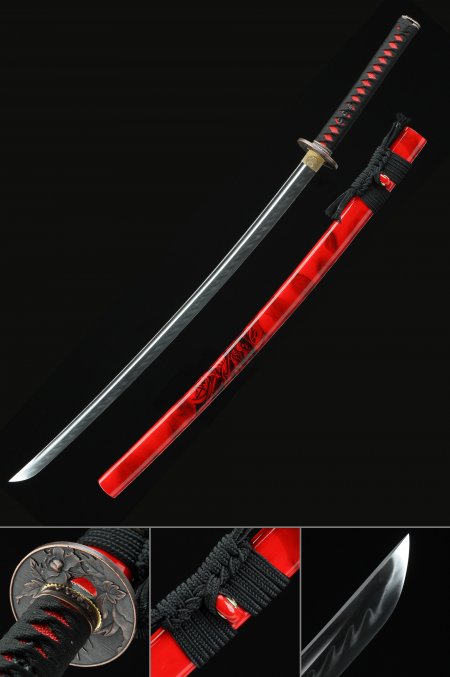
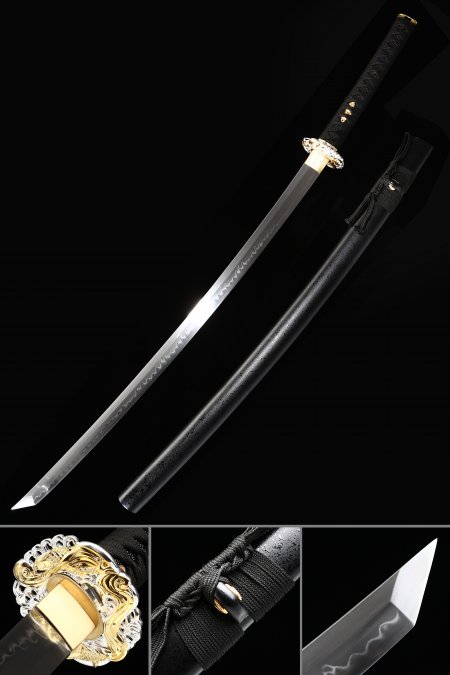
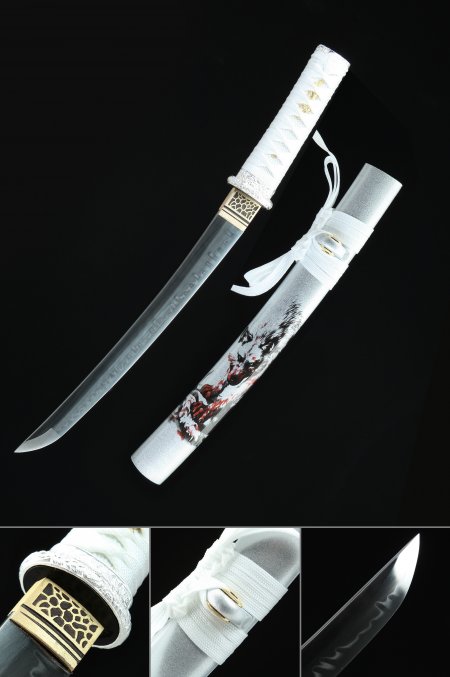
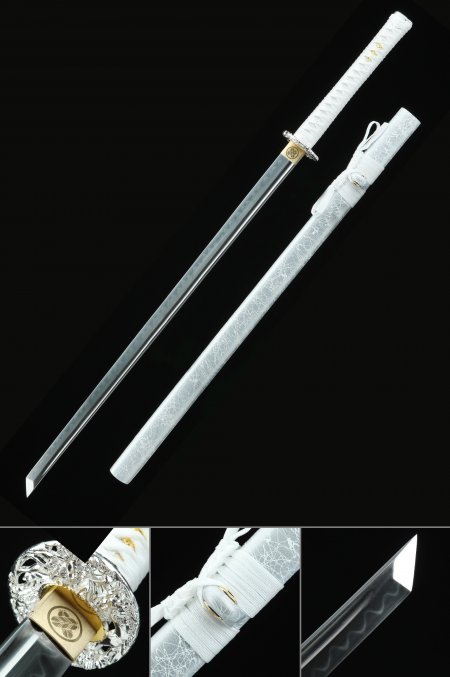
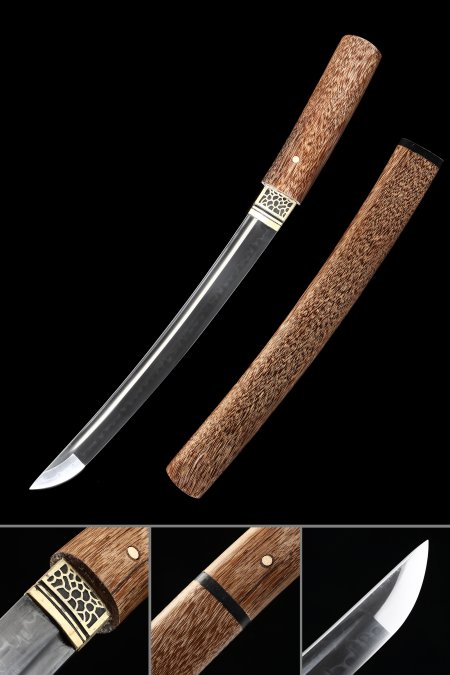
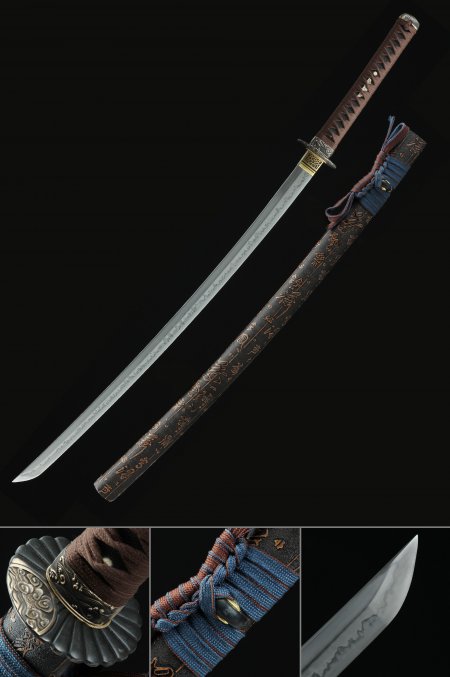
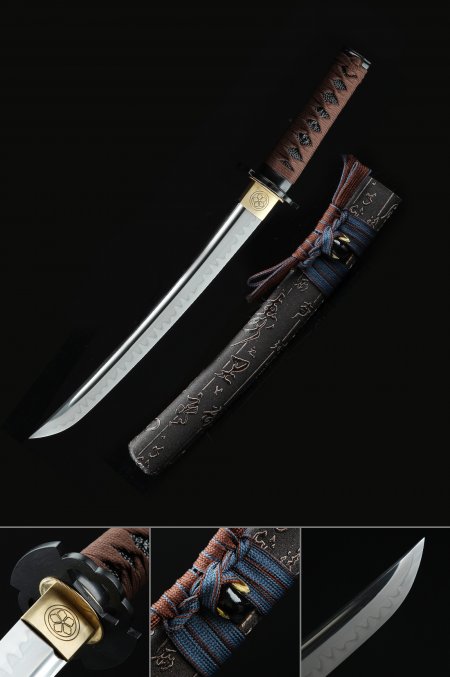
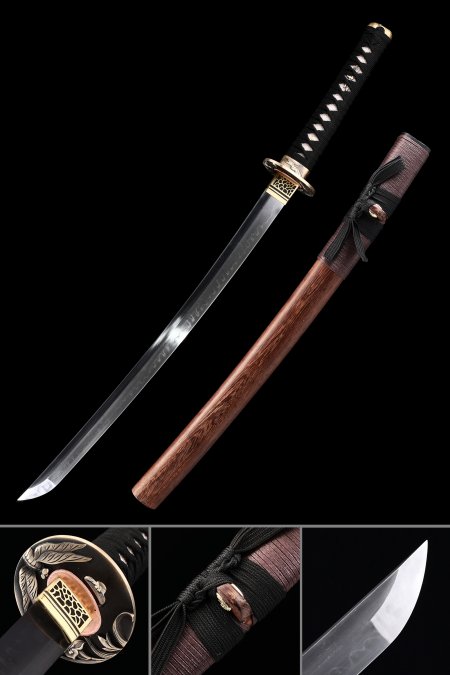
Clay tempering is a traditional Japanese technique where a mixture of clay, ash, and charite is applied unevenly along the blade before quenching. The spine receives a thicker clay layer, which insulates it during the rapid cooling process, while the edge is left thinly coated or exposed. When the heated blade plunges into water or oil, the edge cools quickly and forms hard martensite steel, while the insulated spine cools slowly into softer pearlite. The boundary between these two crystalline structures produces the hamon — a visible wavy line unique to each blade. T10 tool steel is especially well-suited to this process because its tungsten content supports a pronounced grain contrast, resulting in a crisp, well-defined hamon that displays beautifully under polishing.