What makes a hamon the most important quality indicator in the best Japanese swords?
Updated Feb 2026
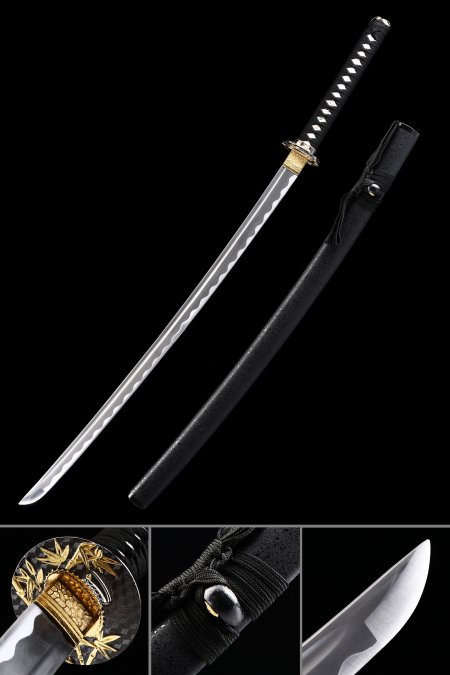
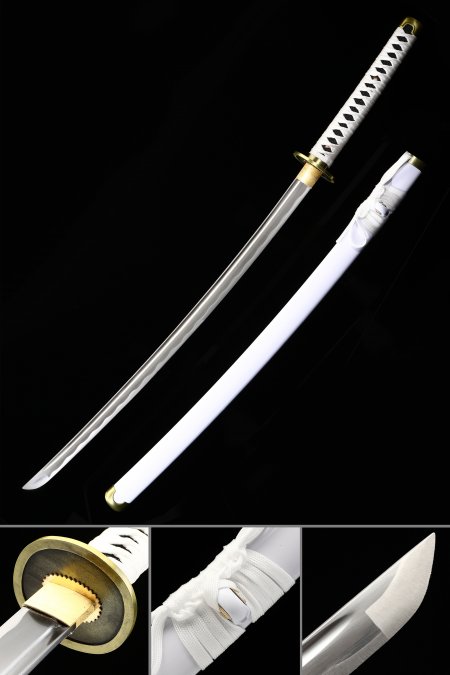
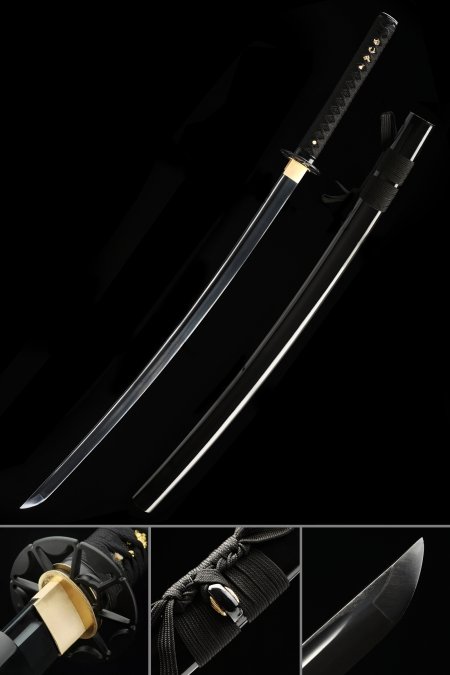
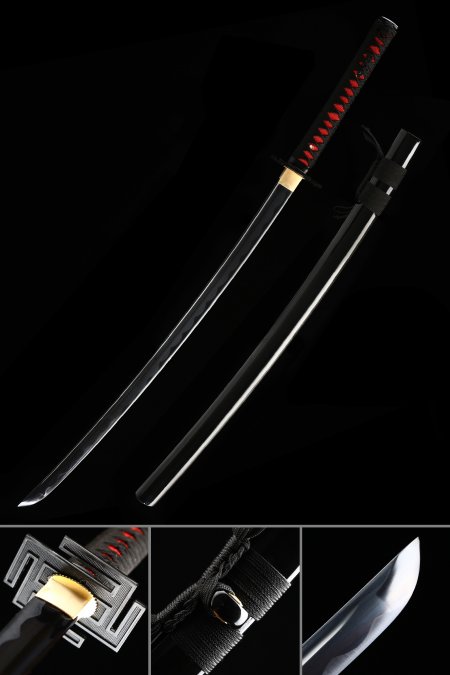
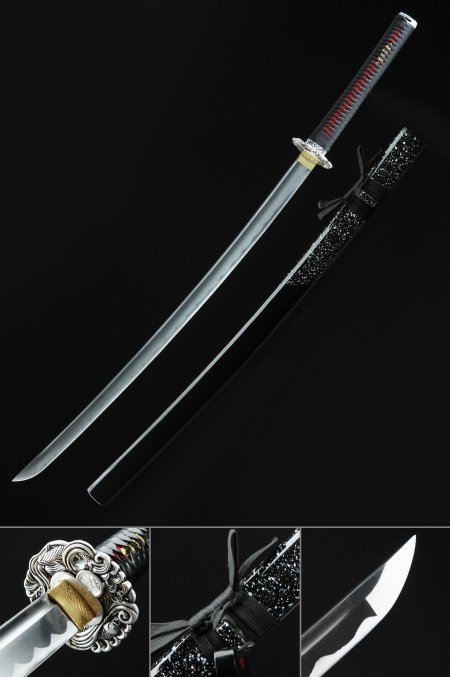
The hamon is the most important quality indicator in a best Japanese sword because it is the direct visible result of the most technically demanding process in traditional Japanese bladesmithing: differential clay tempering. The hamon boundary zone - where hard edge steel meets softer spine steel - contains fine crystalline structures called nie that are only produced when the clay tempering process is executed with high precision. A well-defined, active hamon with clearly visible nie activity in the boundary zone is evidence of successful differential hardening. A faint, blurry, or absent hamon indicates that the clay tempering process was less successful - perhaps incorrect temperature, clay consistency, or quench timing. For collectors who evaluate Japanese swords through their technical tradition, the hamon is the primary quality benchmark because it cannot be faked or produced by any simpler process.