What cultural significance does the white samurai sword carry in Japanese tradition?
Updated Feb 2026
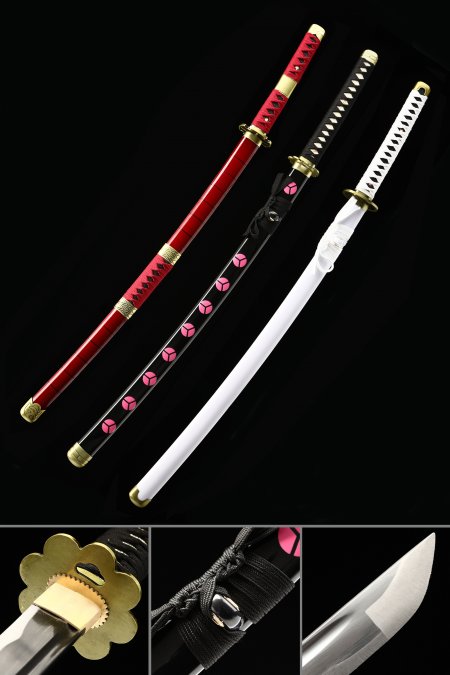
The white samurai sword carries specific and layered cultural significance in the Japanese tradition that goes beyond its visual qualities. In Japanese culture broadly, white is the color of Shinto ritual purity - the purifying color of sacred spaces, ceremonial garments, and ritual objects. In the samurai context specifically, white appears at moments of the highest personal and martial significance: the white funeral garments, the white preparation of a blade for important occasions, the association of white with the spiritual clarity required of a swordsman at the highest level of the art. The shirasaya mounting - the plain white wood housing from which the white samurai sword aesthetic is partly derived - was used both as a practical storage mounting and as a statement of the blade stripped to its essential form, without the adornment of a full koshirae. For collectors who engage with the cultural depth of Japanese sword history, the white samurai sword's color is inseparable from these layers of meaning and historical reference.