How does an original Japanese katana differ from a stainless steel or decorative replica?
Updated Feb 2026
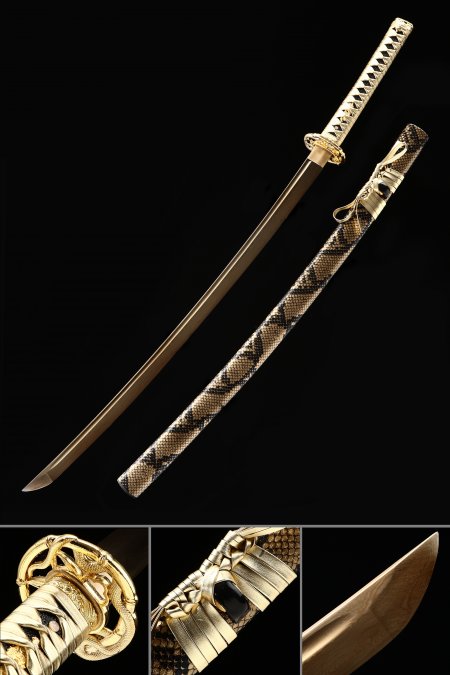
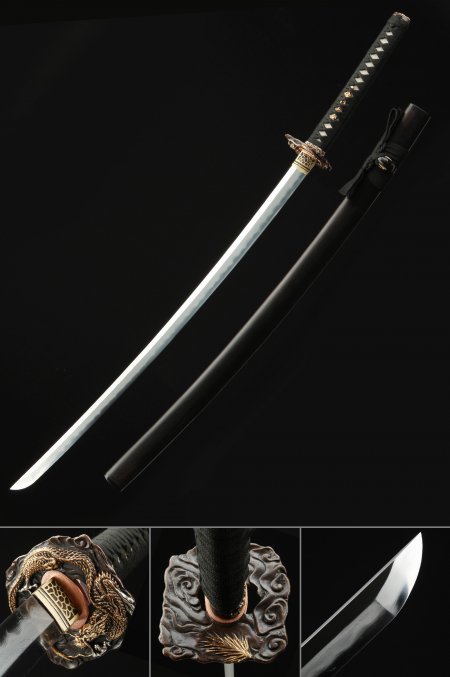
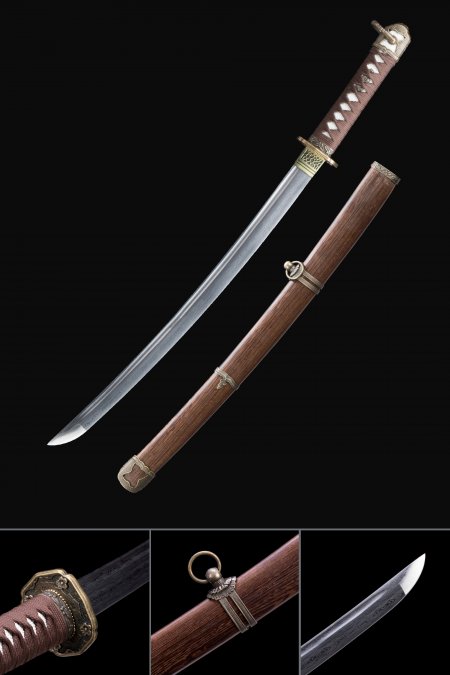
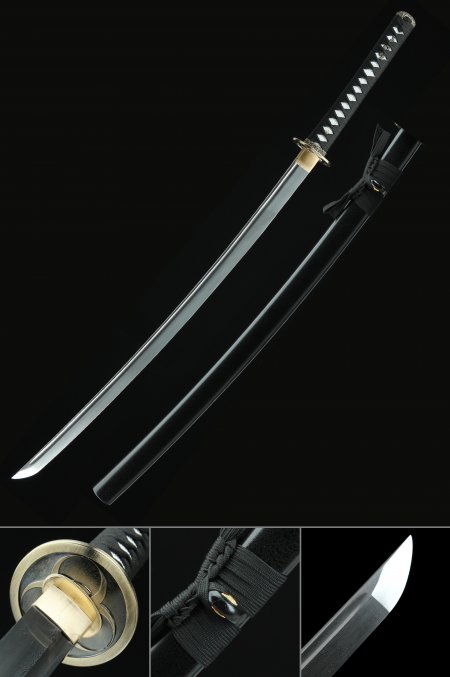
The difference between an original Japanese katana and a stainless steel or decorative replica is fundamental and affects every aspect of the piece. Stainless steel - despite its similarity to carbon steel in appearance - cannot be properly heat treated to achieve genuine blade hardness. The metallurgical properties of stainless steel prevent the quenching process from creating the crystalline structure that gives carbon steel its hardness, so stainless steel blades are typically soft and unable to hold an edge under any real-world conditions. Zinc alloy and pot metal decorative replicas similarly lack any genuine blade characteristics and exist purely as display props. An original Japanese katana in high-carbon steel - 1045, 1060, T10, or Damascus - has been heat treated to genuine hardness through the quenching process, creating a blade with the physical characteristics of a real sword collectible: proper weight, balance, hardness, and the surface quality that comes from genuine high-carbon steel construction. Full-tang construction with mekugi retention pins is the second key differentiator - decorative replicas often have rat-tail tangs or threaded bolt construction that is immediately distinguishable from the full-tang standard.