How does a Damascus wakizashi compare to a standard carbon steel wakizashi?
Updated Feb 2026
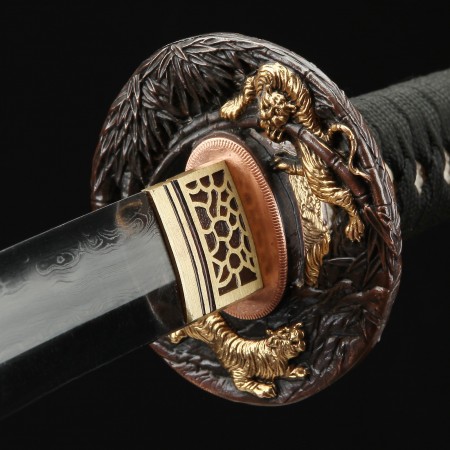
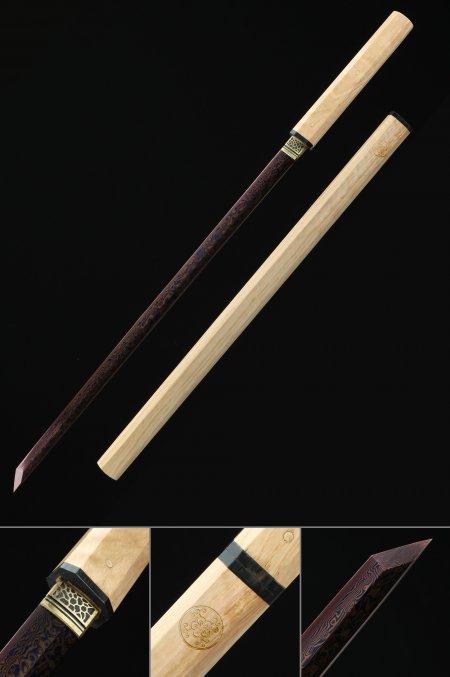
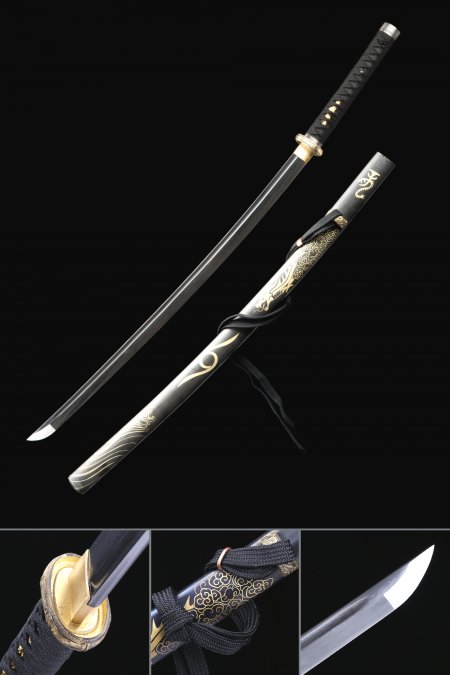
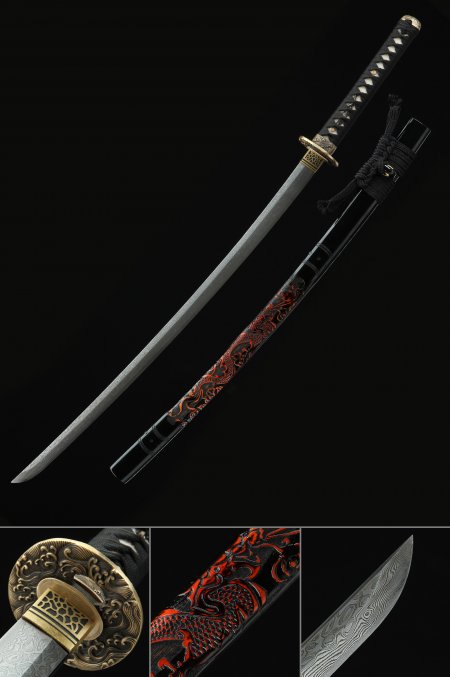
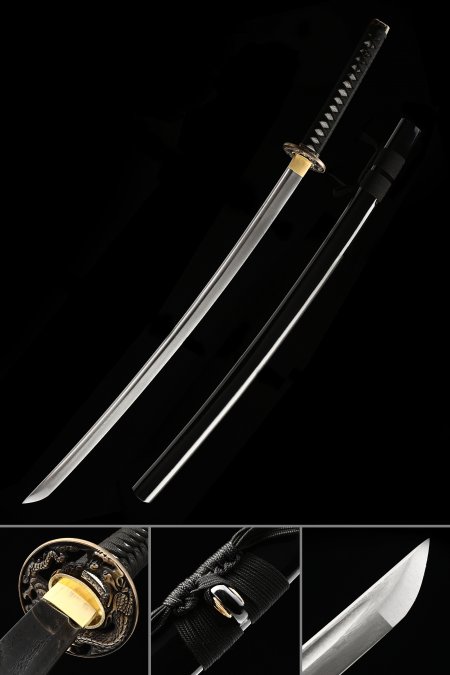
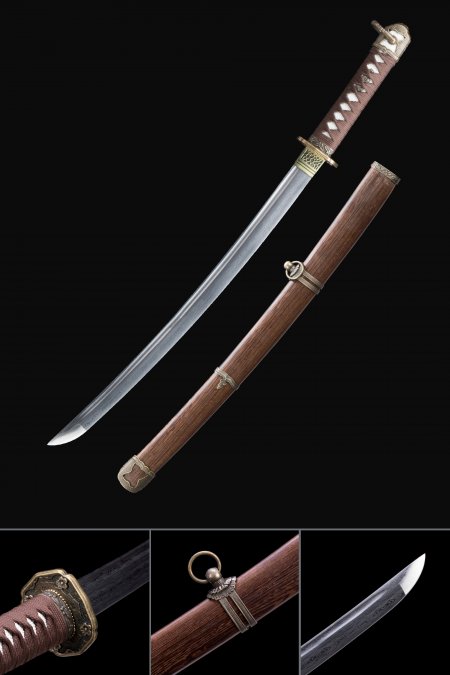
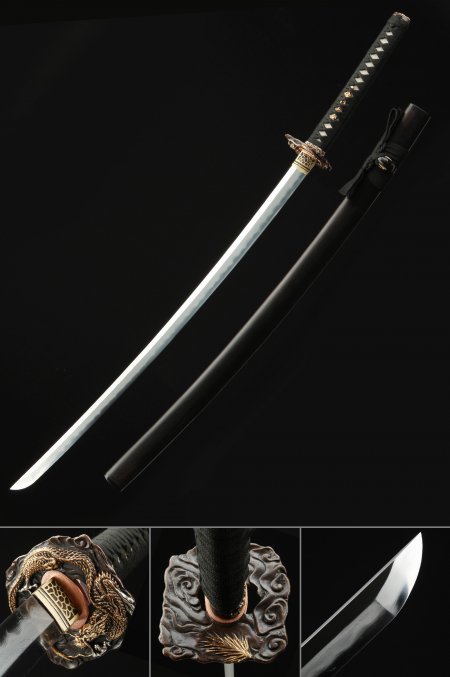
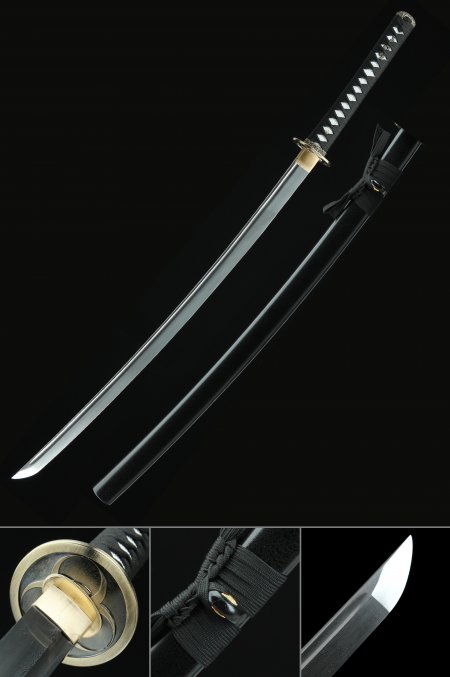
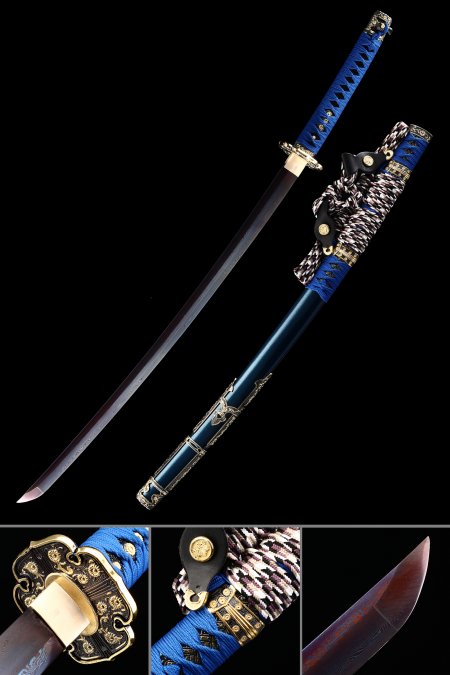
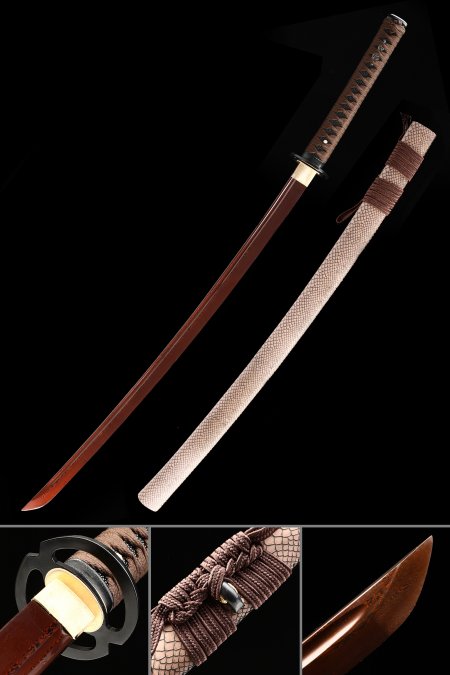
A Damascus wakizashi and a standard 1045 or T10 carbon steel wakizashi share the same fundamental form and full-tang construction, but differ significantly in blade material character and visual appeal. A standard carbon steel wakizashi - whether 1045 or T10 - has a uniform surface that reads in a consistent metallic or darkened tone, with visual interest concentrated in the blade's shape, hamon if present, and fitting details. A Damascus wakizashi has a blade surface covered in flowing, swirling layered patterns that are individually unique and visible across the full blade surface from tip to habaki. The Damascus pattern adds a layer of visual complexity that standard carbon steel cannot replicate, and the uniqueness of each blade's pattern means a Damascus wakizashi carries an individual identity that mass-produced standard steel pieces do not have. For collectors who value blade visual complexity and individual uniqueness, Damascus is the preferred choice. For collectors who prioritize traditional hamon visibility and pure blade craft, T10 clay-tempered is often preferred. Both are legitimate collecting priorities that represent different dimensions of Japanese sword quality.