How does the Japanese katana saber differ from the Chinese dao saber in design?
Updated Feb 2026
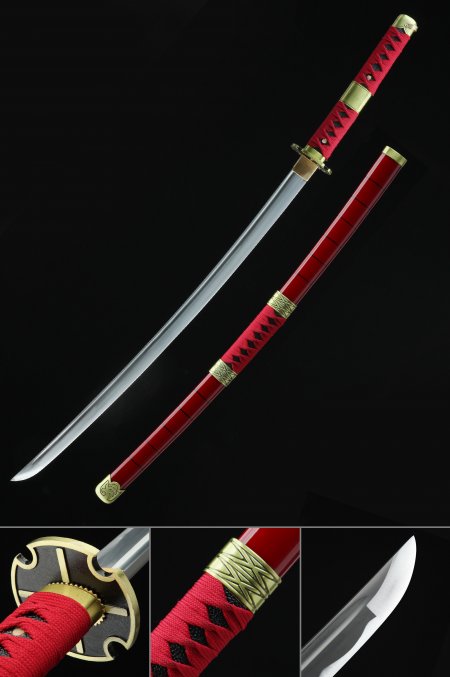
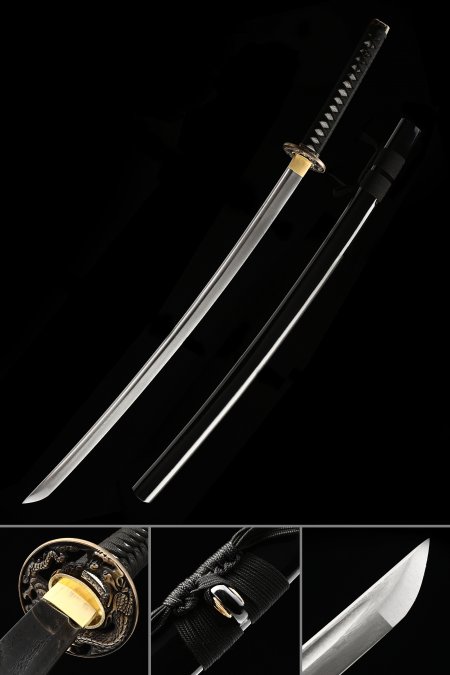
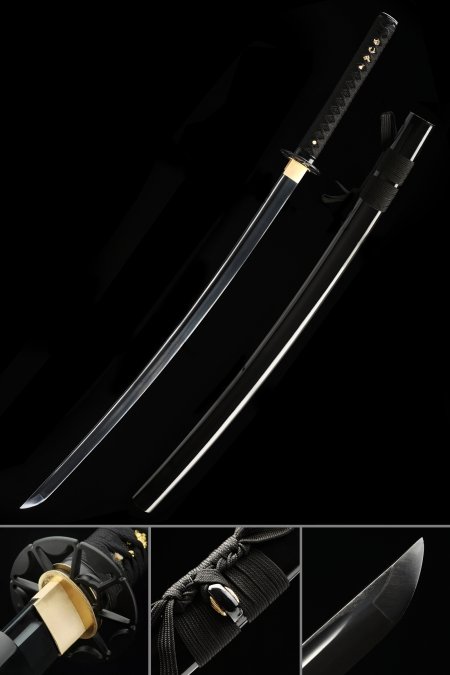
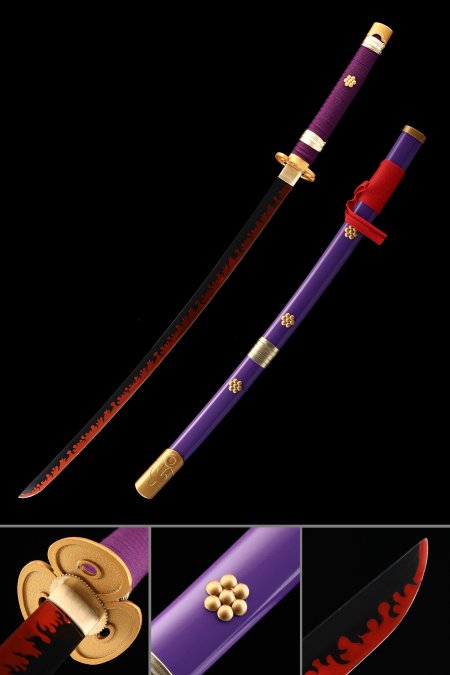
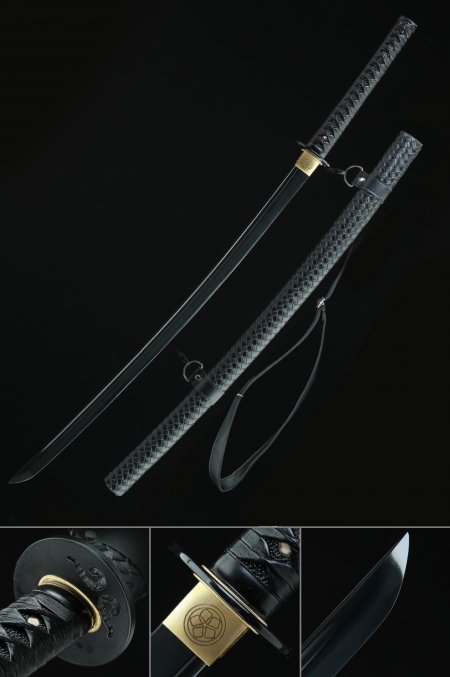
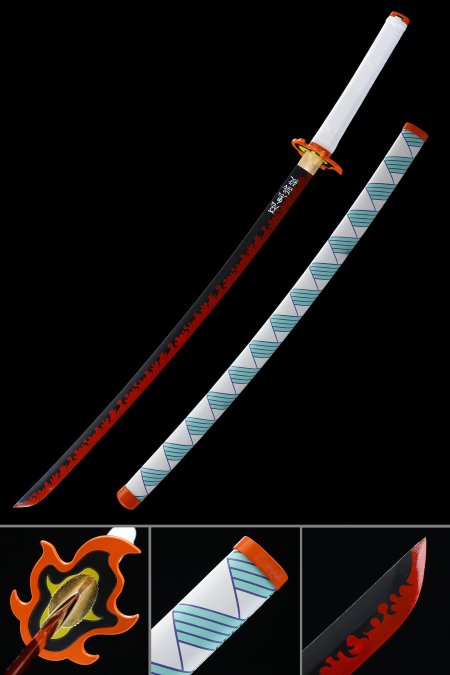
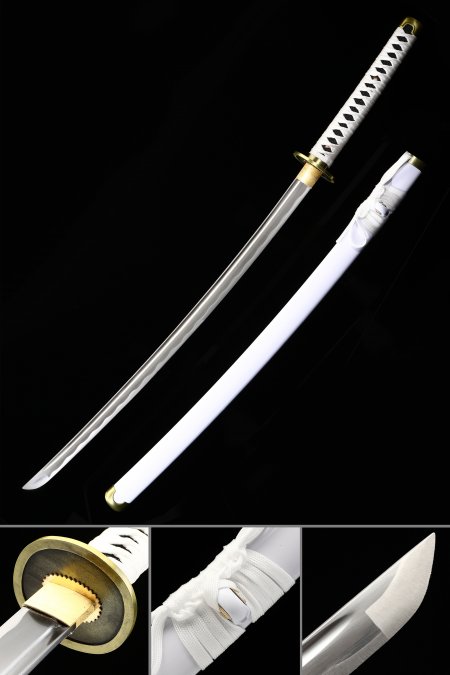
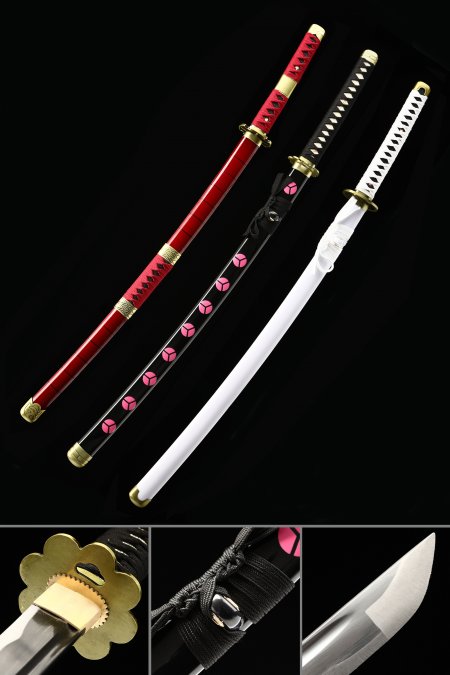
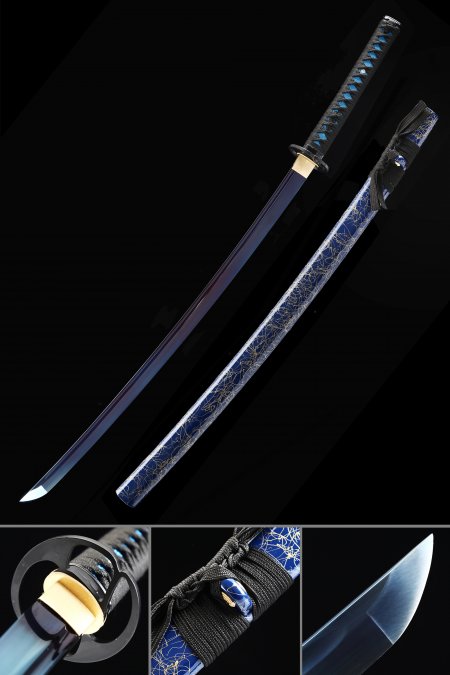
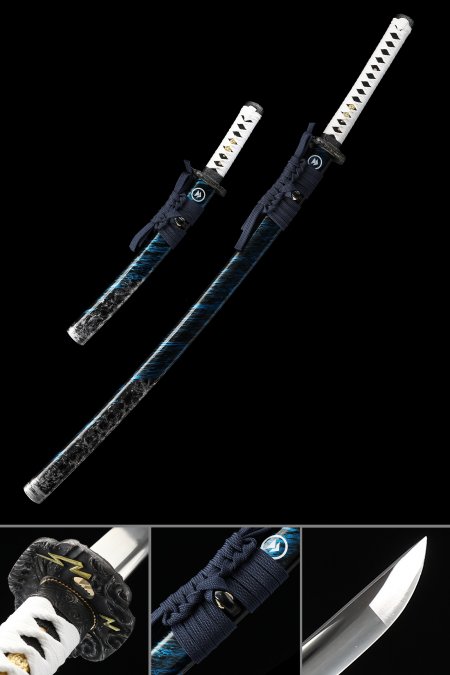
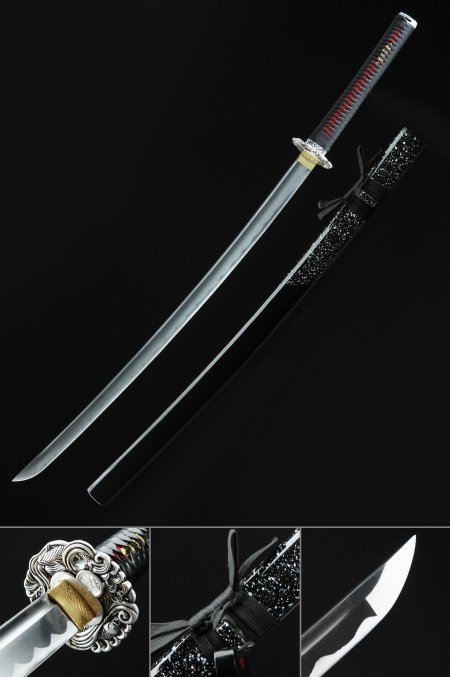
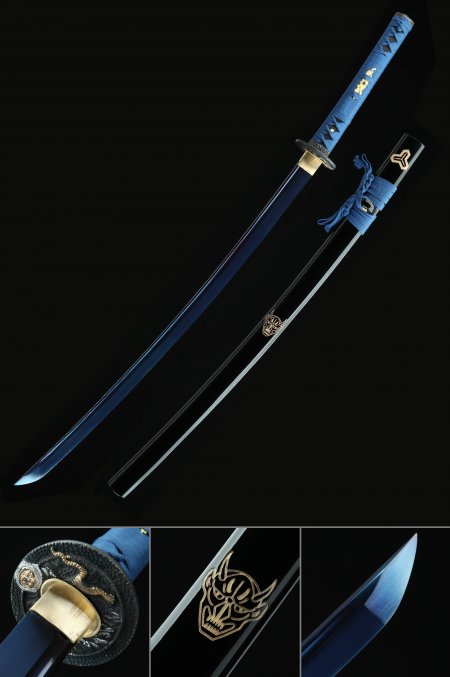
The Japanese katana and the Chinese dao are both single-edged curved sabers but differ significantly in their specific geometry, cultural aesthetic, and associated sword-making traditions. The katana's curve - the sori - is distributed along the full blade length in a gentle, consistent arc that creates an elegant tapered silhouette. The blade narrows from base to kissaki tip in a precise taper, and the kissaki tip geometry is a distinct design element that is uniquely Japanese. The samurai fitting system - tsuba guard, ito-wrapped handle over ray-skin, lacquered wooden scabbard - is highly refined and standardized in a way that reflects centuries of specialized craft development. The dao's curve tends to be more concentrated toward the tip rather than distributed evenly along the blade length, and the blade often widens toward the mid-section rather than tapering consistently. The ring pommel handle and disc or oval guard of the dao are distinctly Chinese in character. In display terms, the katana reads as more elegant and refined while the dao reads as more powerful and direct - the visual character of each reflects the martial philosophy and aesthetic priorities of its originating culture.