What is the significance of the hamon on a T10 wakizashi?
Updated Feb 2026
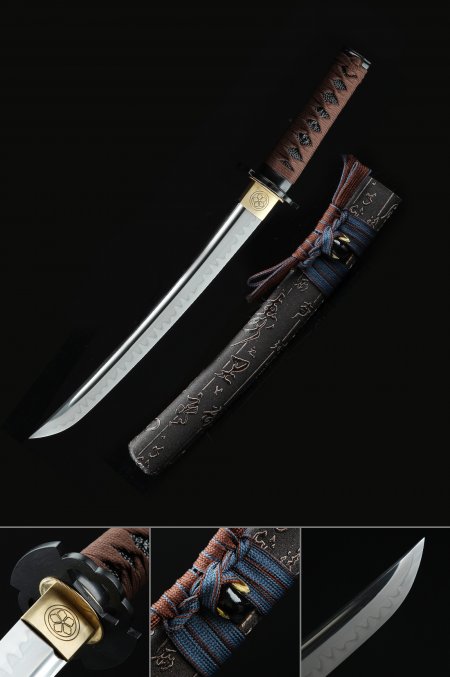
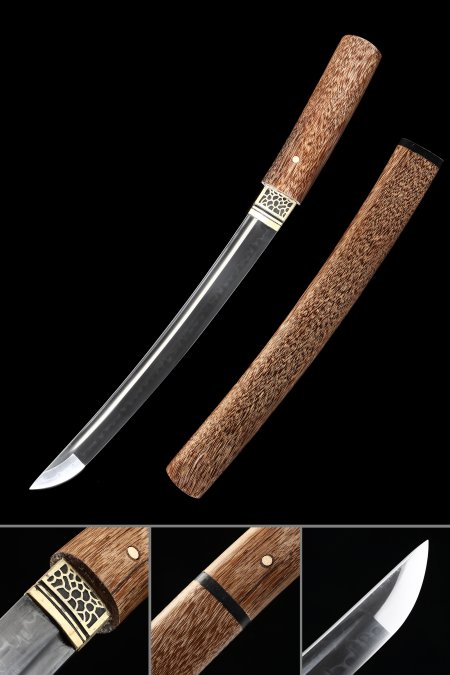
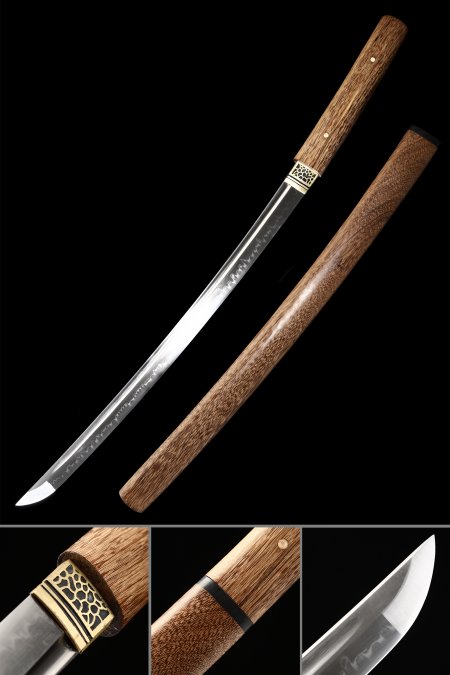
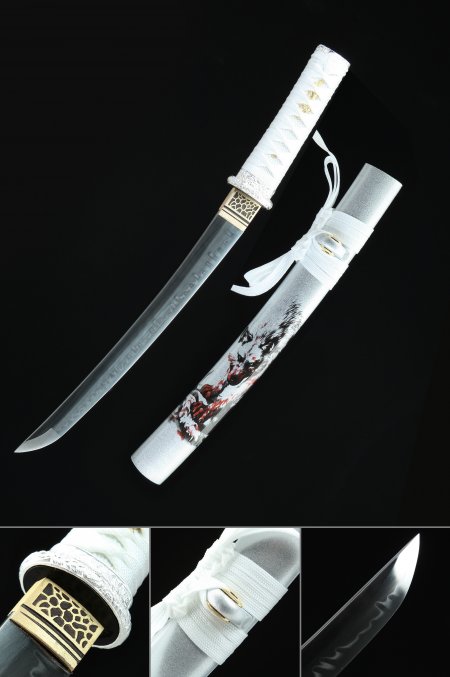
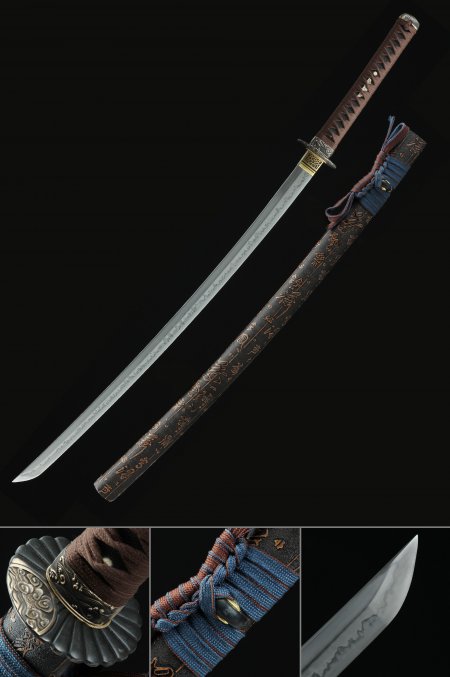
The hamon on a T10 wakizashi is the most historically significant visual indicator of quality blade craft in the Japanese sword tradition. The hamon - the undulating temper line visible along the blade edge - is formed during the quenching stage of the clay-tempering process: clay applied to the spine before quenching creates differential cooling rates between edge and spine, resulting in a harder edge zone and a tougher spine zone with the boundary between them visible as the hamon line. On a T10 wakizashi, the hamon reflects the specific geometry of the clay application and the quenching conditions, making each blade's hamon subtly unique. Collectors examine hamon for its clarity, the complexity of activity visible within the temper boundary, and the quality of the nioi and nie - the fine details of crystal activity visible within the hamon under proper lighting conditions. These details are the primary criteria by which serious Japanese blade collectors evaluate premium blade quality, and the T10 wakizashi's shorter blade allows these details to be seen in full without the scale challenge of a full-length katana blade.