What makes a ninjato straight blade different from a katana curved blade as a display?
Updated Feb 2026
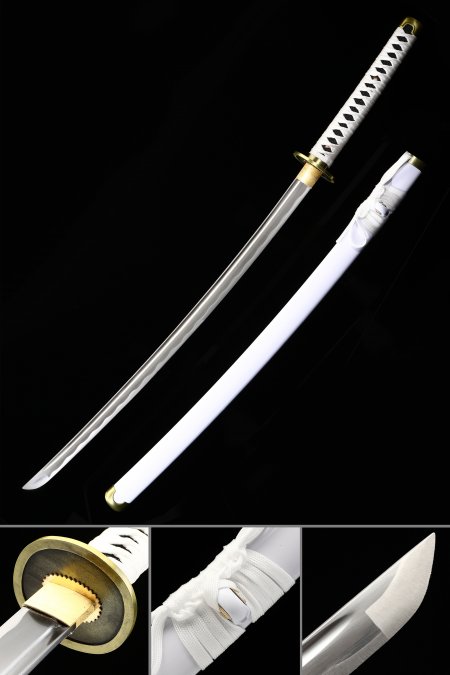
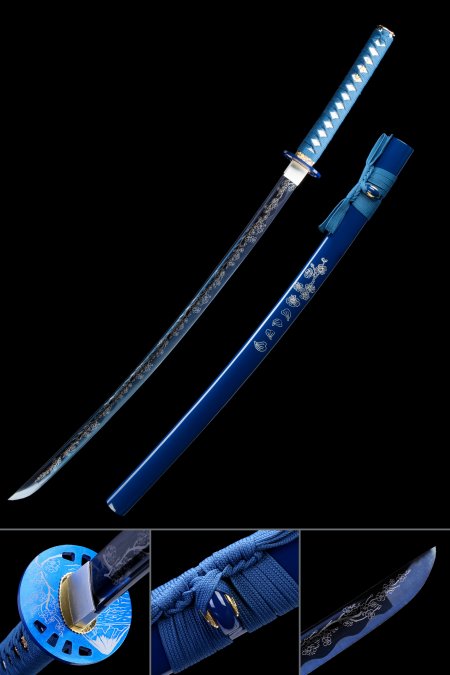
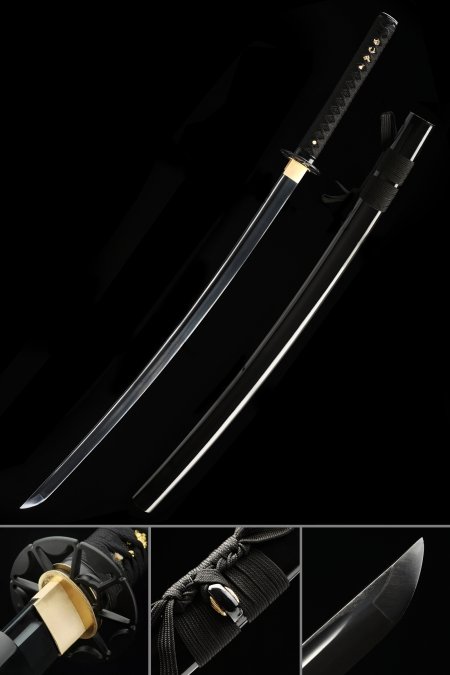
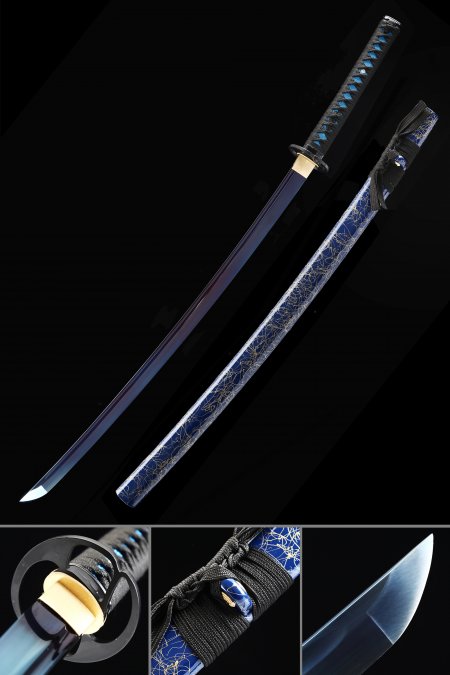
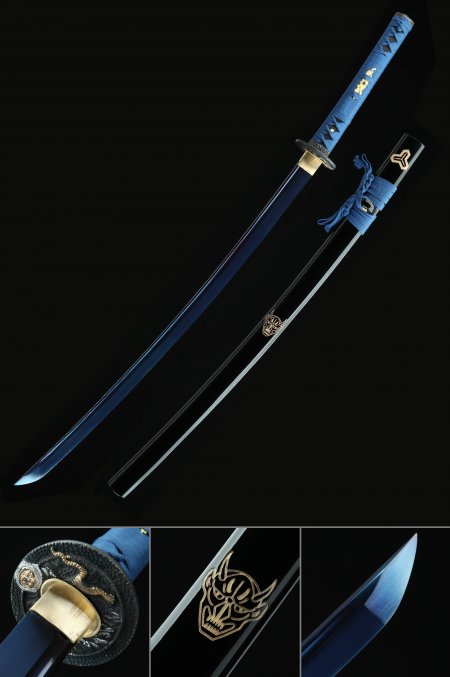
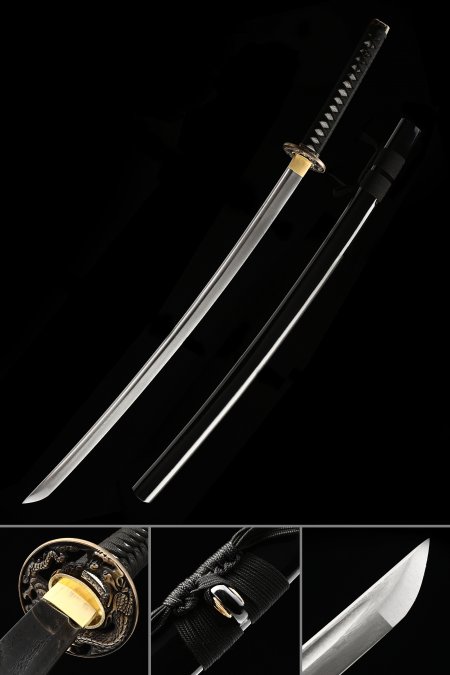
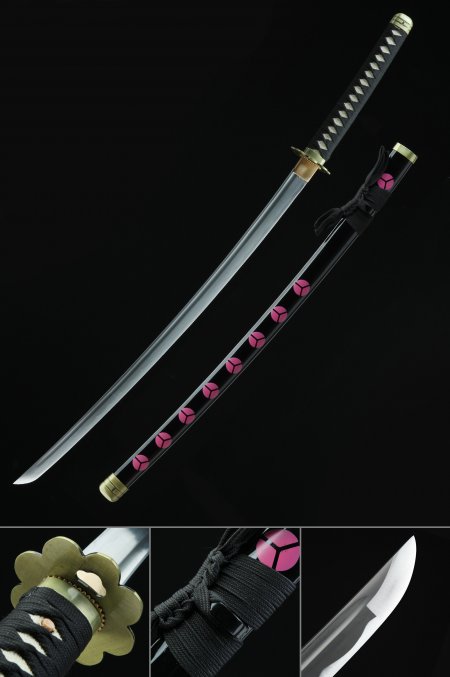
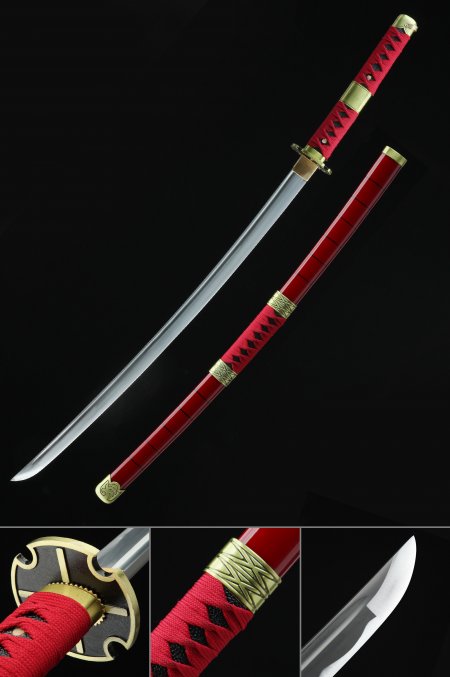
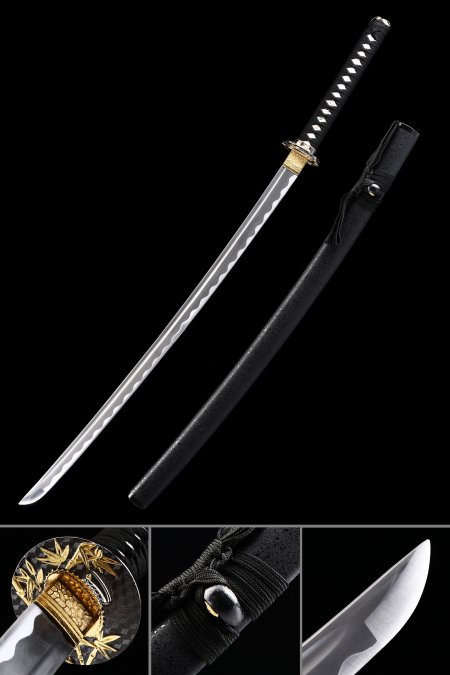
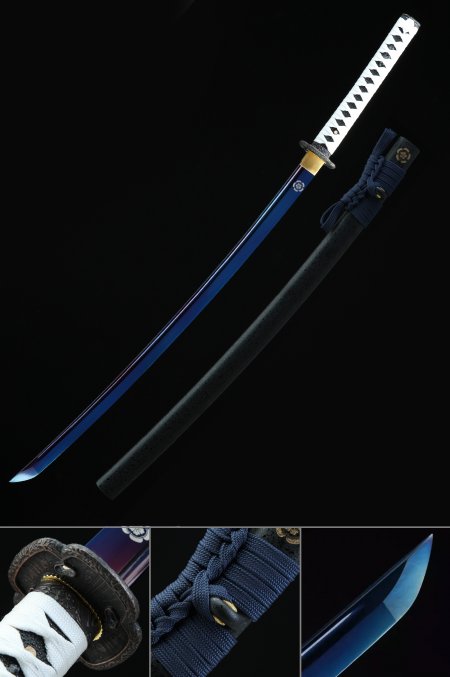
A ninjato straight blade and a katana curved blade create fundamentally different visual impressions in a display, each with its own distinct aesthetic character. The katana's curved blade is defined by its sori arc - the characteristic curve that is the most immediately recognizable element of the Japanese sword silhouette. The curve creates organic visual movement in the blade profile, and the tapering from base to tip adds visual refinement. The ninjato's straight blade has none of this movement - it is a direct, geometric line from base to tip that reads as bold, precise, and uncompromising. In a display context, the ninjato's straight profile creates a very different visual rhythm from the katana's flowing curve: where the katana seems to move visually even when still, the ninjato reads as absolute directness and stillness. For blue blade pieces, the ninjato's straight profile makes the blue color read as a clean horizontal line of vivid color, while a curved blue katana blade makes the blue appear as a more complex arc of color. Both are compelling displays - they simply create different visual experiences.