How does Damascus steel differ from 1065 carbon steel in a display katana?
Updated Mar 2026
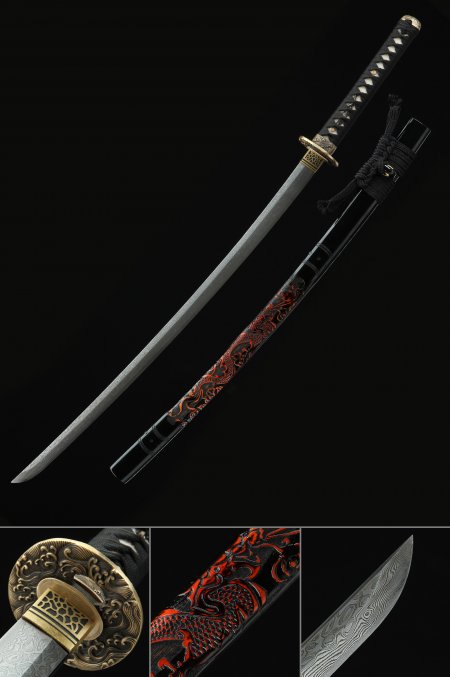
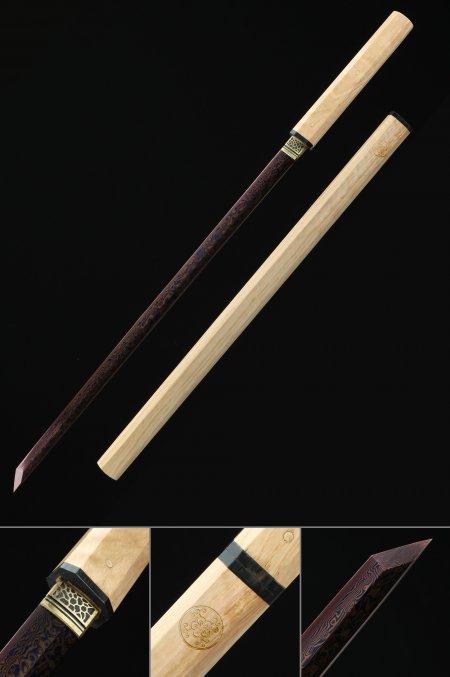
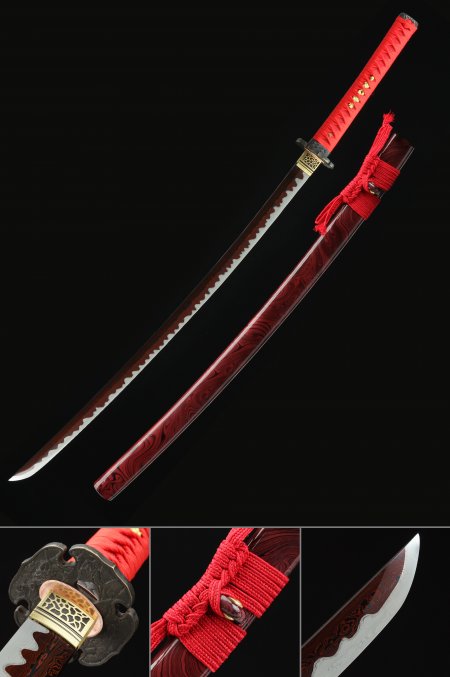
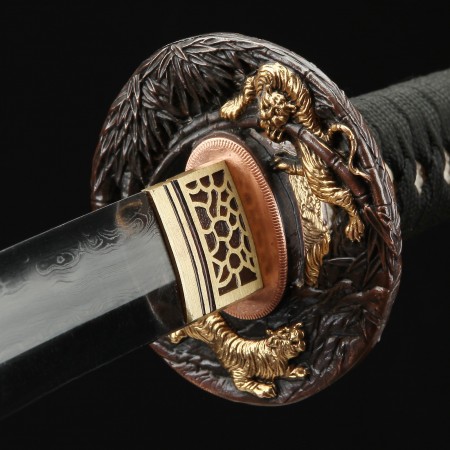
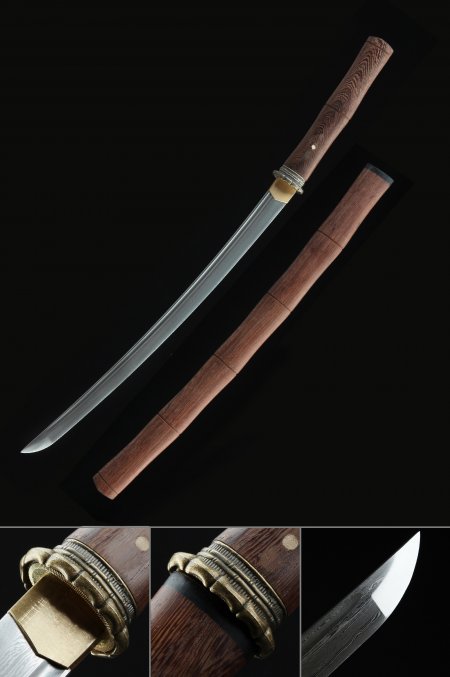
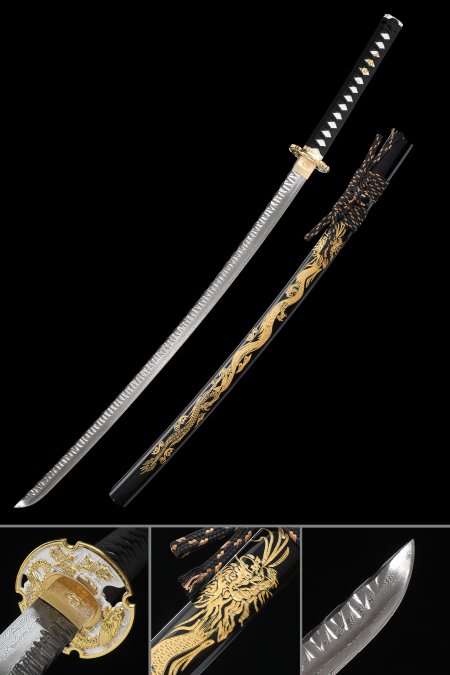
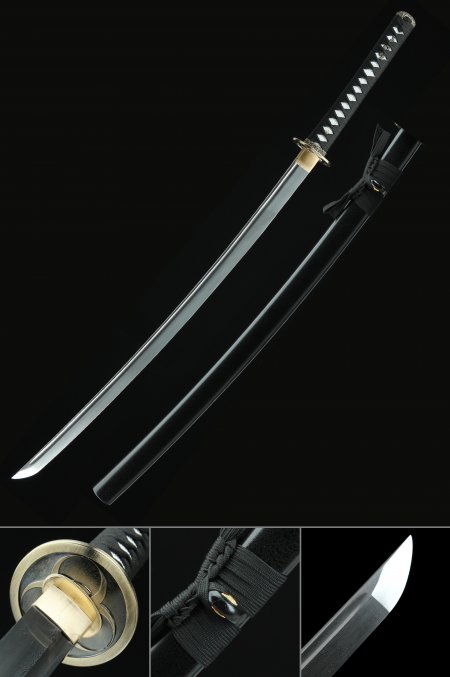
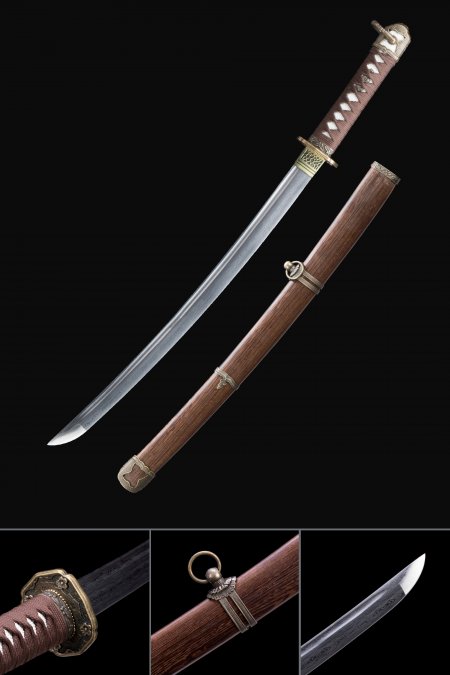
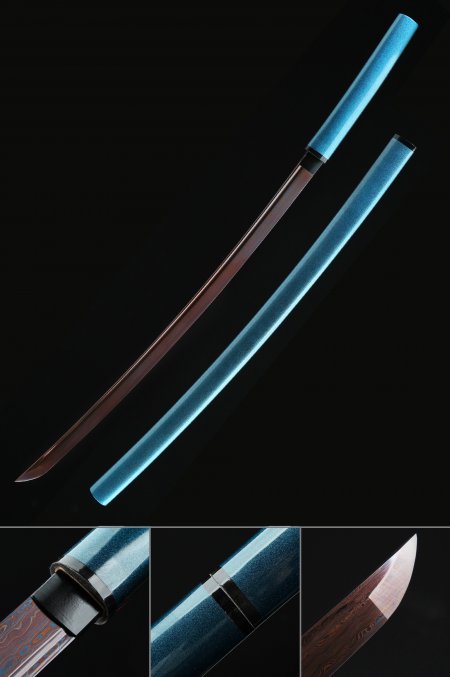
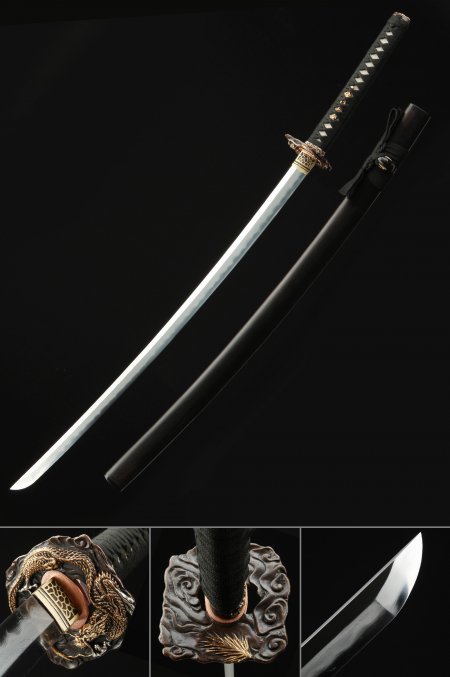
The core difference is in how each steel is made and what it looks like along the blade surface. 1065 high-carbon steel is a monosteel - a single uniform alloy that is forged and heat-treated to produce a consistent, clean blade. Its visual interest comes from the hamon, the temper line created during differential hardening, which appears as a misty wave pattern along the cutting edge. Damascus steel, by contrast, is formed by forge-welding layers of two or more steel types together, then folding and drawing them out repeatedly. The result is a blade with a flowing grain pattern - sometimes described as wood grain or water ripple - that is entirely unique to each individual piece. For display collectors, Damascus offers one-of-a-kind visual character; 1065 offers a more traditionally austere aesthetic that closely mirrors historical Japanese blade appearance.