How do I evaluate the hamon quality on a T10 wakizashi?
Updated Feb 2026
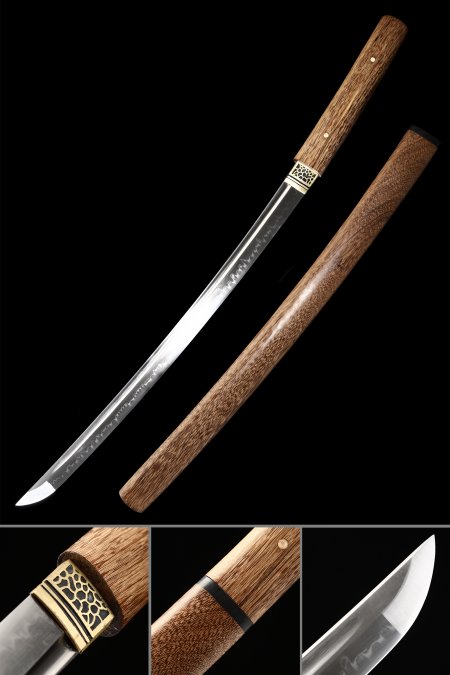
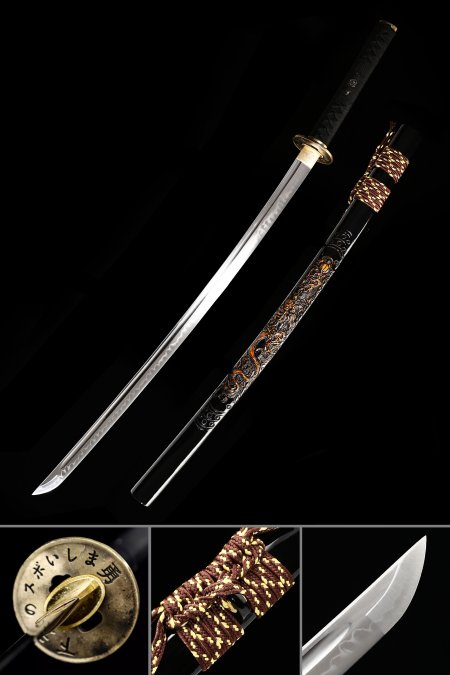
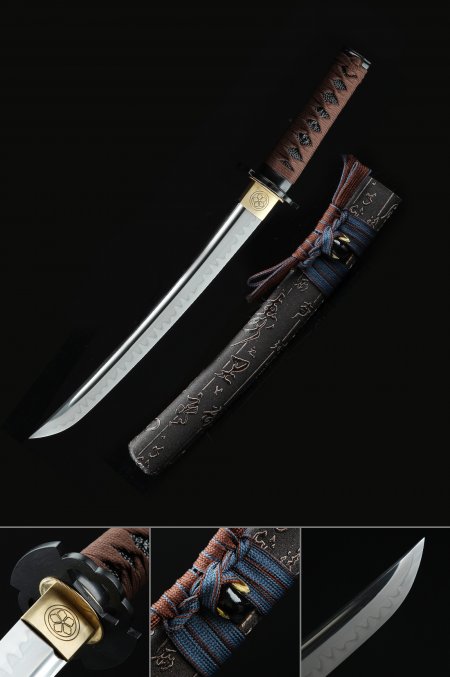
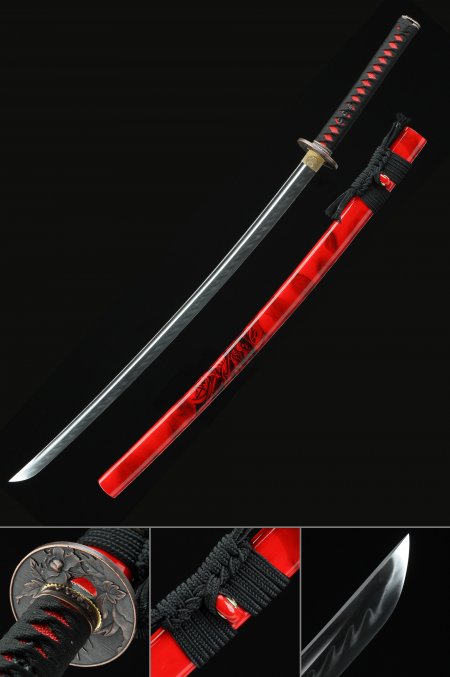
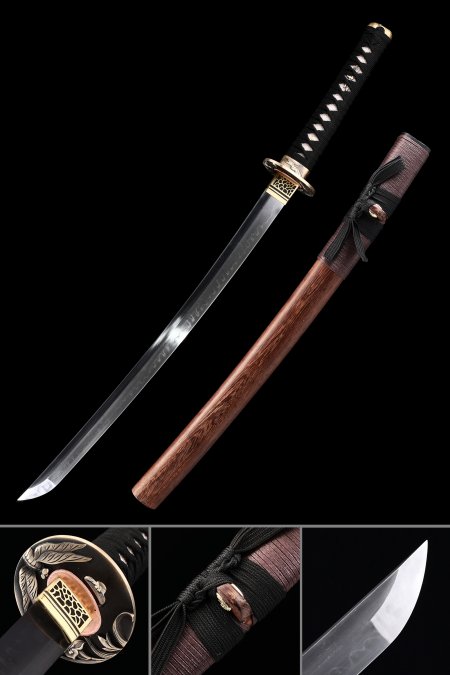
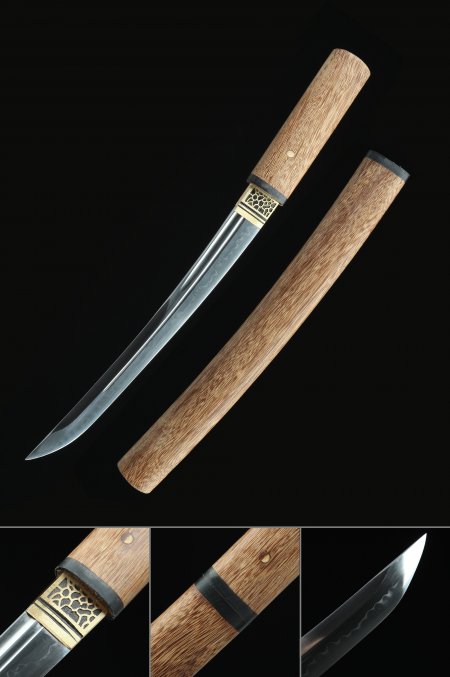
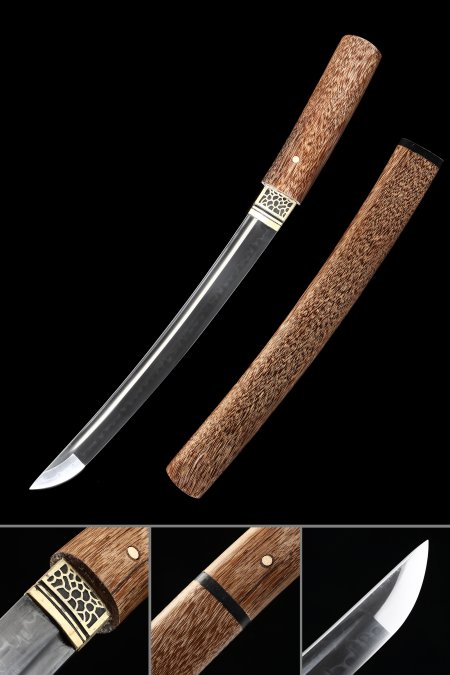
Evaluating hamon quality on a T10 wakizashi involves examining several specific visual characteristics that indicate the skill and care applied during the clay-tempering heat treatment. The first characteristic is clarity: a well-formed hamon has a clearly defined boundary line that separates the hard edge zone from the softer spine zone with minimal ambiguity. Vague or diffuse hamon lines indicate less precise clay application or suboptimal quenching conditions. The second characteristic is activity within the temper zone - the area immediately around the hamon boundary line may show nie (larger crystalline structures visible as bright points under directional light) and nioi (a fine mist of smaller crystals that appear as a slightly misty zone). Active nie and nioi indicate a technically accomplished heat treatment. The third characteristic is the hamon's overall pattern: whether it follows a gentle wave (notare hamon), a tighter zigzag (gunome hamon), or a more complex combination pattern. All of these features are best evaluated under a directed spotlight that illuminates the blade at a low angle, revealing the surface structure more clearly than overhead lighting can.