How do I research and evaluate Japanese odachi swords before collecting?
Updated Feb 2026
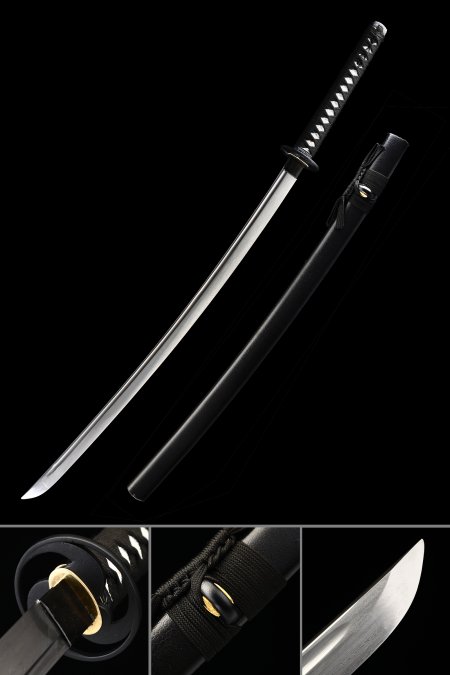
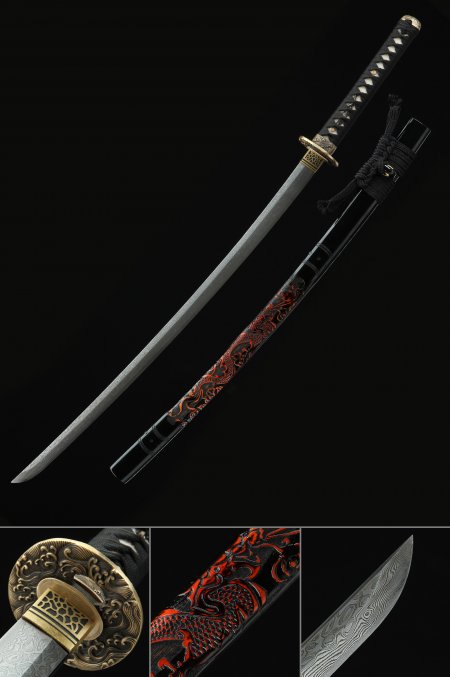
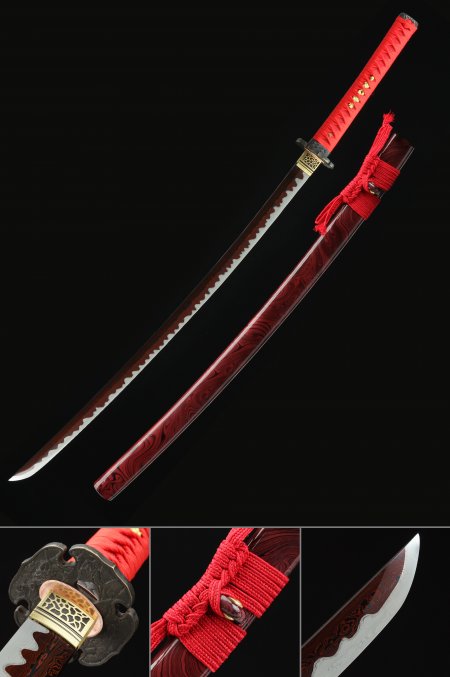
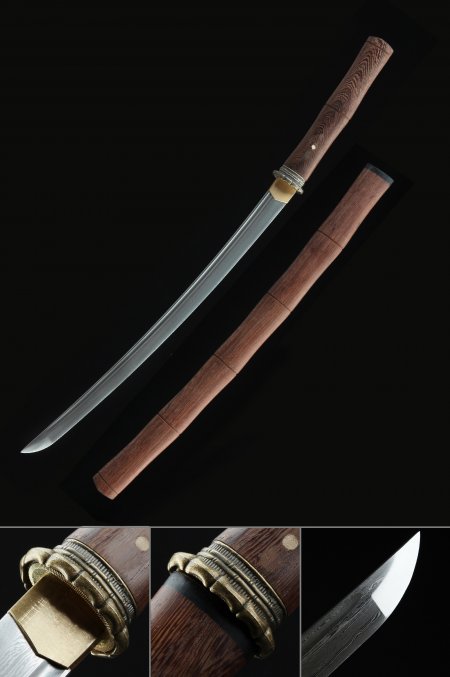
Researching Japanese odachi collecting involves understanding several criteria that are specific to the great blade category. Blade length is the primary differentiator within the odachi category: pieces are sometimes described as odachi based on historical tradition while having blade lengths closer to katana dimensions, so verifying the specific blade measurement against the product listing is important. Full-tang construction is the essential baseline quality indicator: confirm through the product description that the blade steel runs from tip through the complete handle with a mekugi retention pin. Steel grade is the second key evaluation area - Damascus, T10 clay-tempered, and quality carbon steel grades are all appropriate, while stainless steel is not. For T10 pieces, a hamon temper line under lighting confirms proper differential heat treatment. Handle length and proportionality at the odachi scale is worth examining - a handle that is too short for the blade's length will affect the piece's balance and visual proportionality. Display requirements should also be assessed before purchasing: odachi require dedicated floor stands or specially sized wall brackets, and confirming you have an appropriate display solution before the piece arrives prevents display planning problems.