Is a full-tang handle important for a collectible katana display piece?
Updated Mar 2026
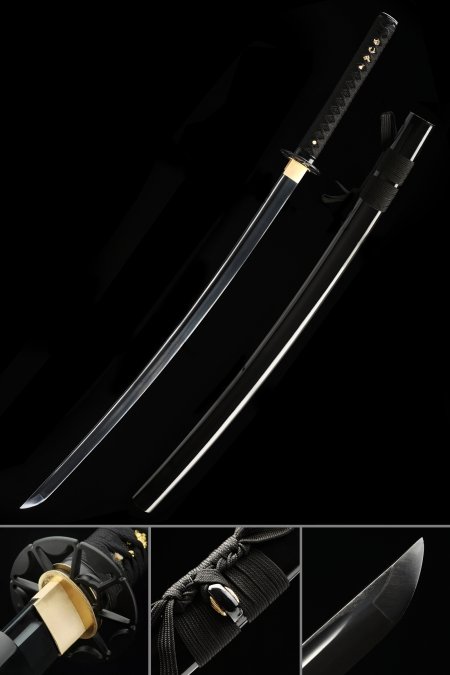
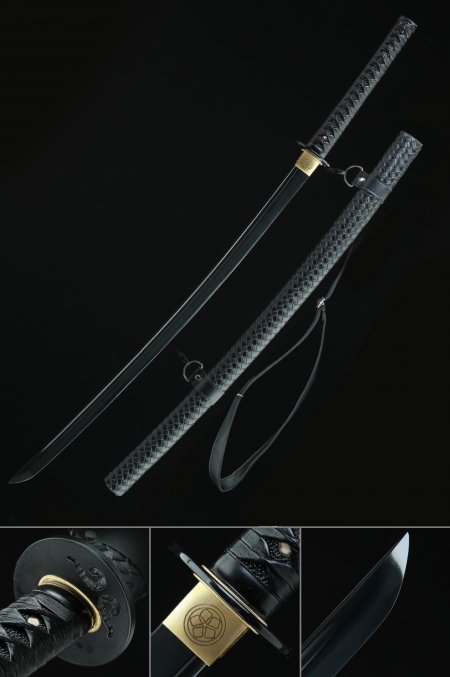
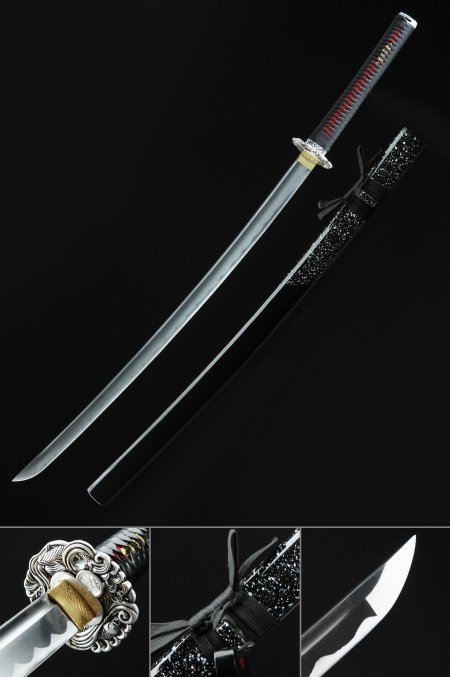
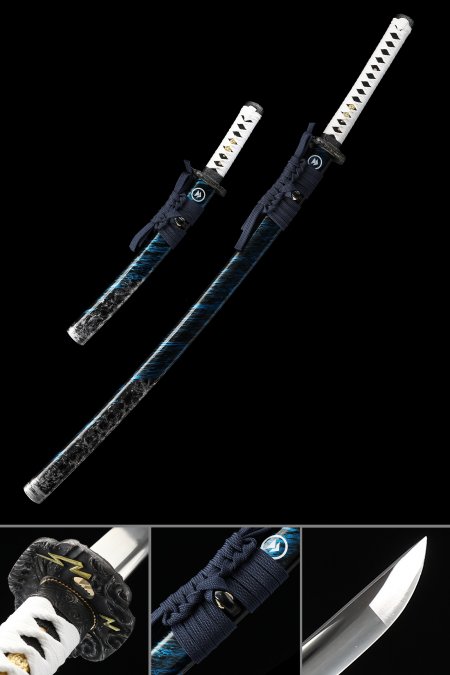
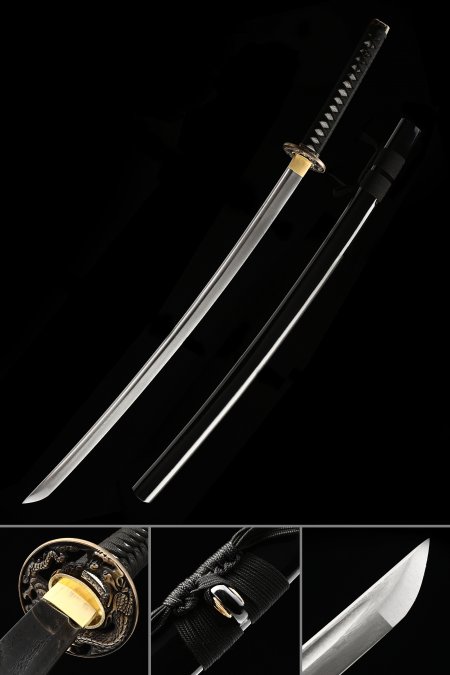
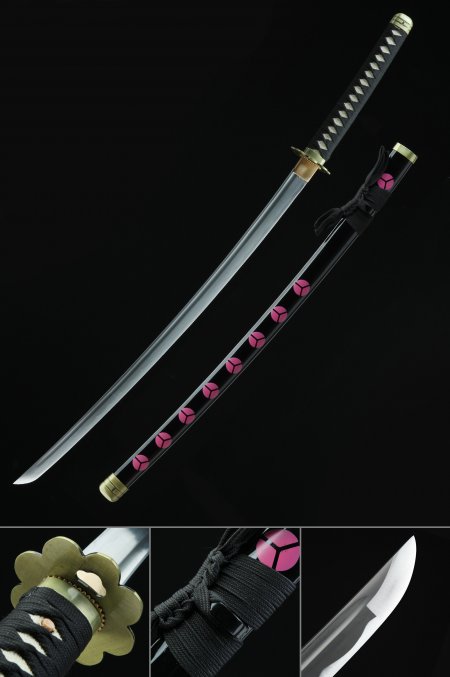
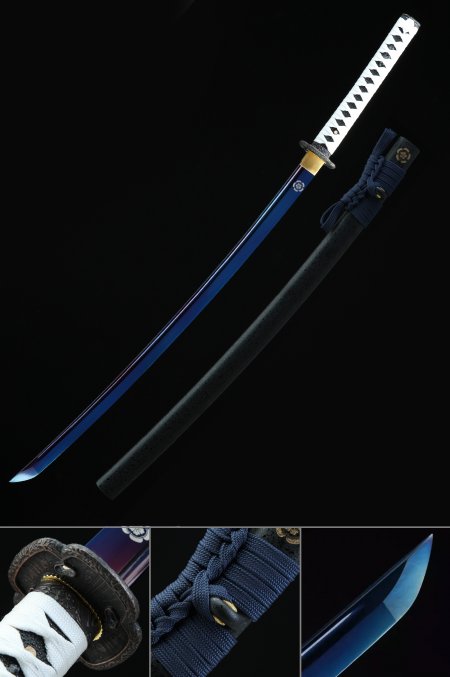
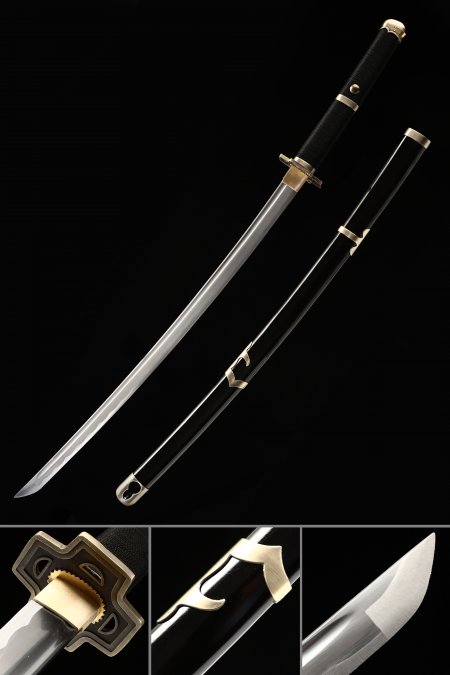
Full-tang construction means the steel of the blade extends as a single continuous piece through the entire length of the tsuka (handle), secured by one or more mekugi (bamboo retention pins). For a display-only piece that will never be subjected to dynamic stress, a rat-tail tang could theoretically hold together indefinitely under static display conditions. However, full-tang construction remains important to collectors for two reasons: first, it reflects authentic construction methodology consistent with how historical Japanese swords were actually assembled, which matters to those who value period accuracy. Second, it provides a tactile quality difference - the handle has proper weight distribution and feels solid rather than hollow when handled during inspection or photography. Both models in this collection use full-tang construction, which is a meaningful detail that separates collector-grade pieces from purely decorative wall hangers.