How is a naginata different from a katana as a collectible?
Updated Feb 2026
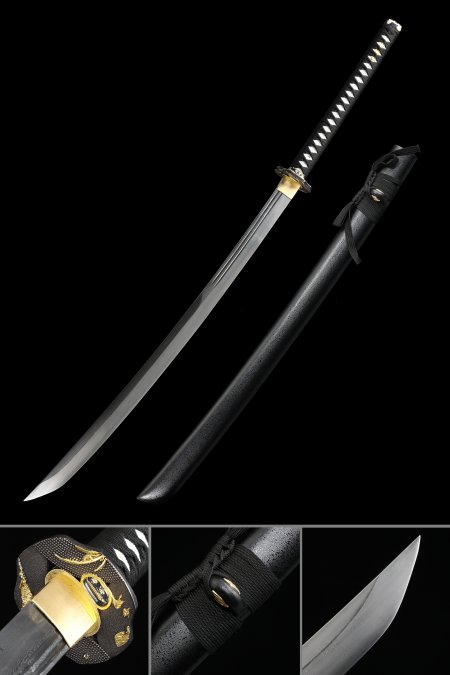
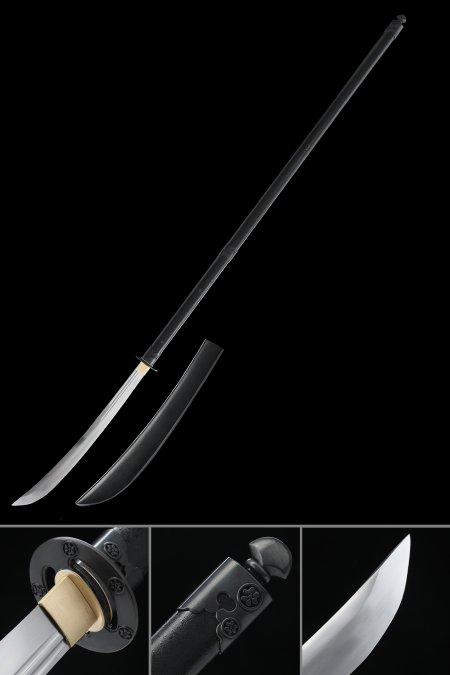
The most immediate distinction is scale and form factor. A naginata is a polearm — the blade mounts onto an extended wooden or composite shaft (the nagae), bringing total length to roughly 118 cm or more, compared to a katana's 100 cm overall. The blade geometry also differs: naginata blades typically have a more pronounced curvature near the tip (kissaki) and are designed to be read in motion along a wide arc. As a display piece, a naginata commands significantly more wall or floor space and typically becomes the focal anchor of a room rather than one item among many. Collectors who already hold Real Steel Katana pieces often add a naginata specifically because it represents a distinct chapter in Japanese smithing history — one tied to sohei traditions and later to the martial education of samurai-class women during the Edo period.