How do One Piece Zoro swords compare to traditional katana replicas?
Updated Feb 2026
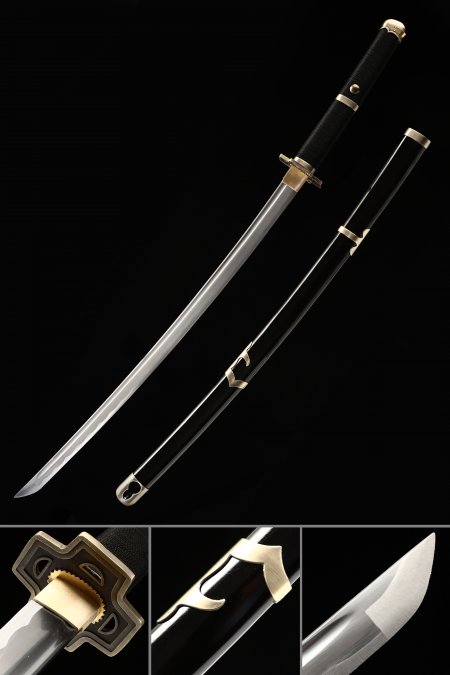
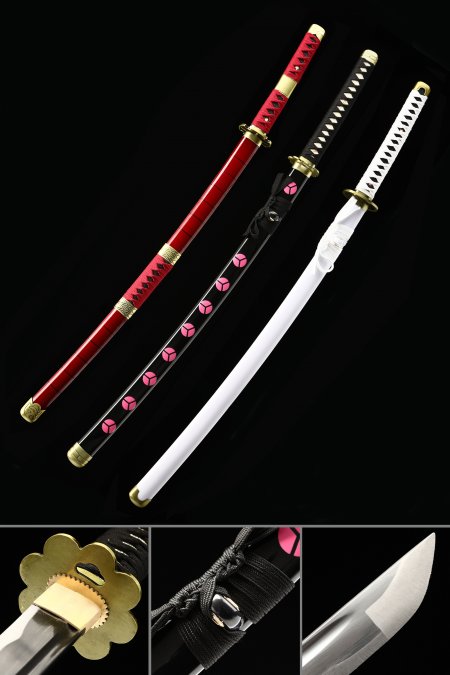
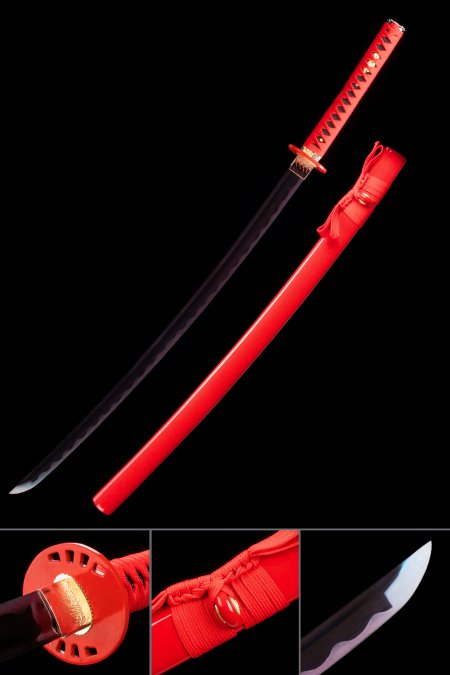
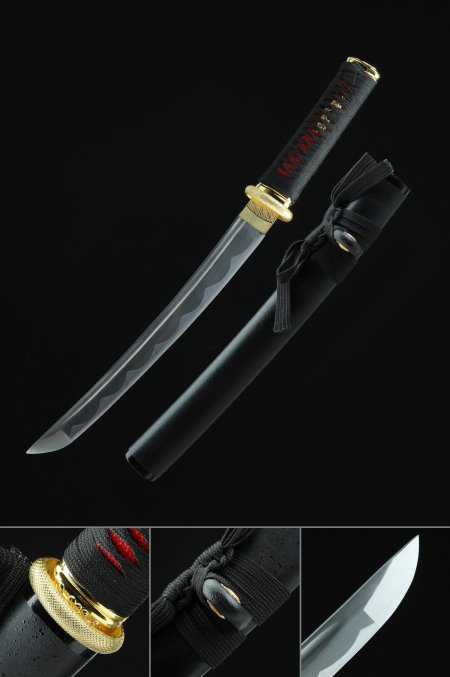
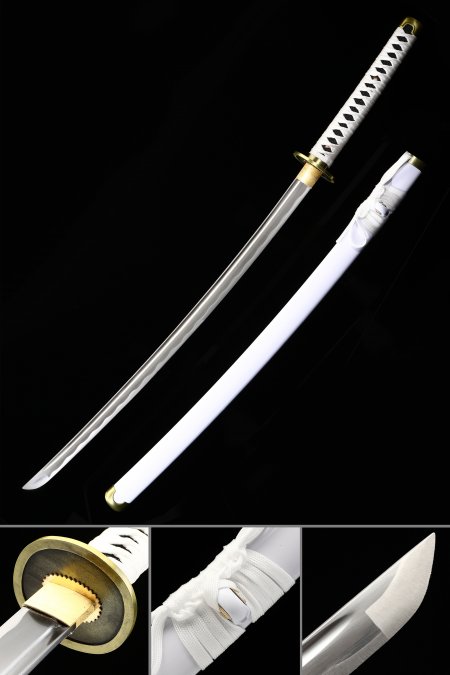
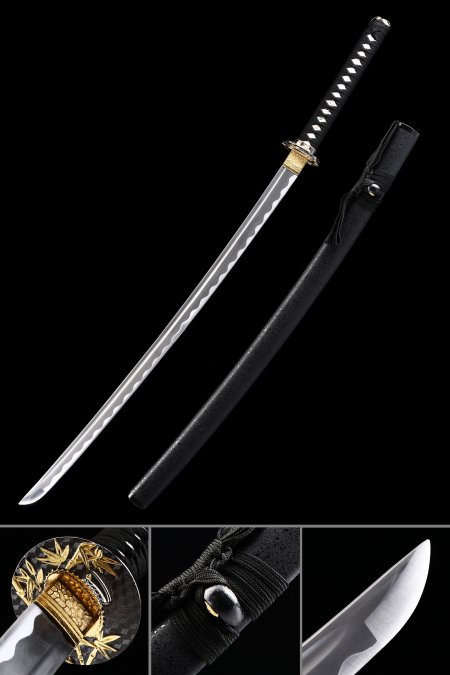
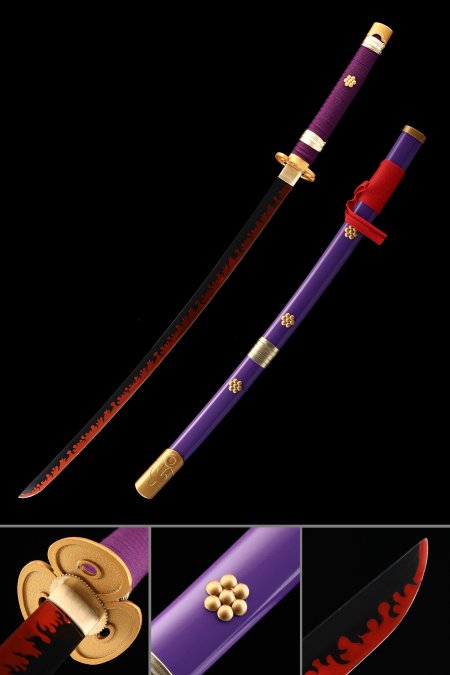
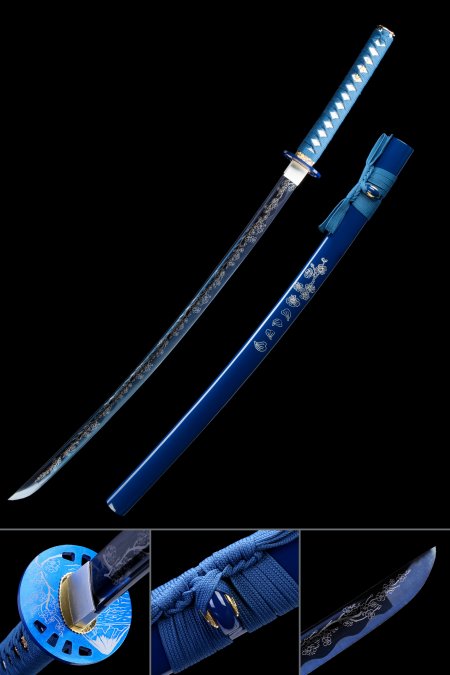
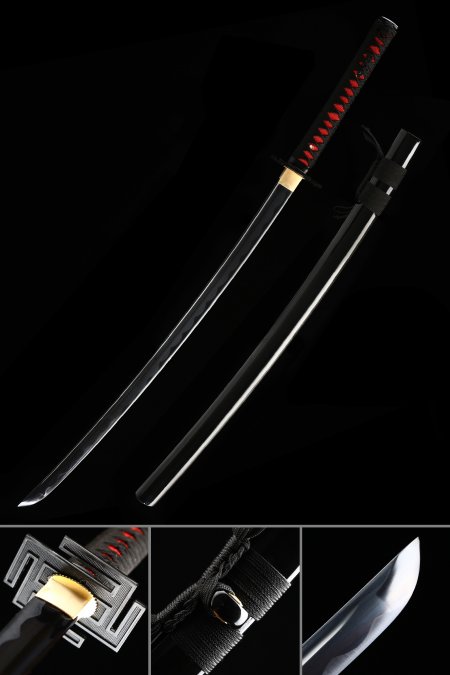
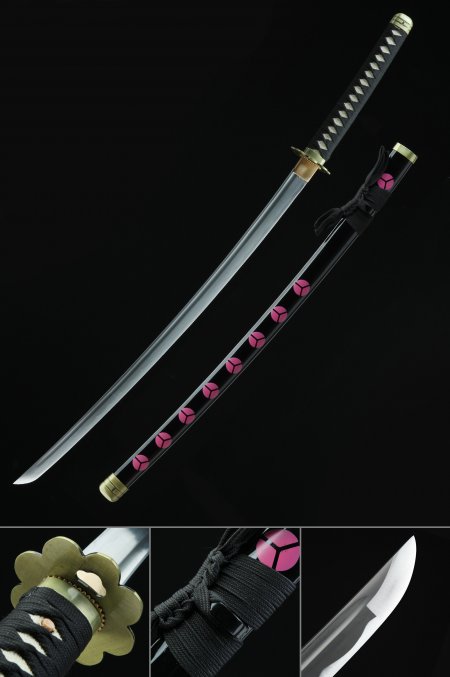
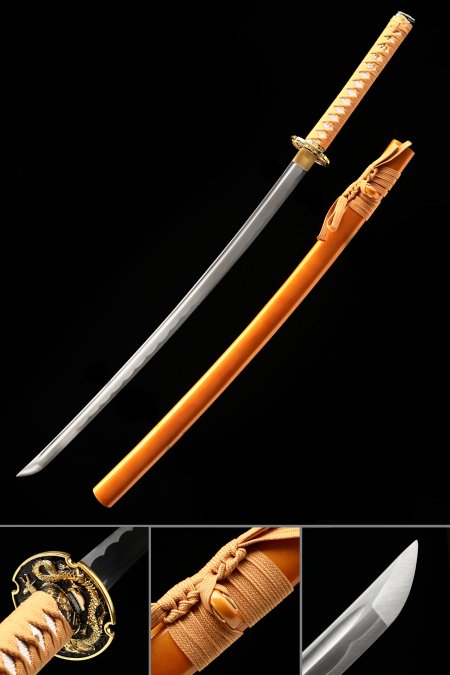
The core construction is the same — 1045 carbon steel blade, full-tang assembly, ray-skin wrapped tsuka, and a lacquered hardwood saya — but the design language diverges in the fittings. Traditional katana replicas aim to replicate historical tsuba patterns like iron sukashi or brass nanako, whereas Zoro replicas use fantasy-inspired guard designs specific to each sword’s anime identity: the flame motif on Sandai Kitetsu, the floral cross on Shusui, and the circular mon-style guard on Wado Ichimonji. Blade geometry also differs slightly; Zoro replicas tend toward a wider shinogi-ji to match the exaggerated proportions shown on screen, while historical replicas follow narrower Edo-period profiles. For collectors who own both categories, the contrast on a display wall is striking and highlights how anime blade design draws from — and reinterprets — centuries of real Japanese sword-making tradition.