What is the historical role of the Japanese odachi in Japanese warfare?
Updated Feb 2026
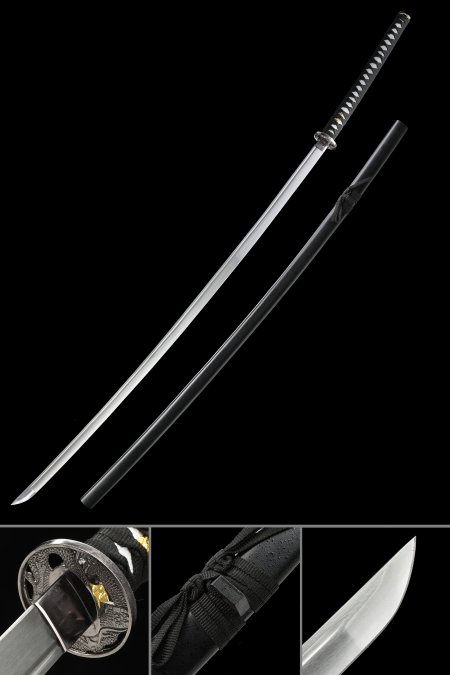
The Japanese odachi - also called nodachi or field sword - was a massive battlefield blade used by Japanese infantry soldiers during the feudal period, particularly during the Nanbokucho period (1336-1392) and through the Sengoku era of civil wars. Unlike the shorter tachi and later katana, which were personal combat swords worn on the person, the odachi's exceptional length - blades of 35 to 60 inches were not uncommon historically - was specifically adapted for open-field infantry use where the extended reach provided tactical advantages against both mounted cavalry and opposing infantry. The odachi was too long to be carried conveniently at the hip and was instead carried on the back or by an attendant who would hand it to the warrior when combat was imminent. As Japanese warfare evolved and the chaotic open-field battles of the Sengoku era gave way to the more structured period of the Edo shogunate, the odachi's battlefield role diminished and it transitioned into ceremonial and display significance, with particularly fine odachi being offered at Shinto shrines as gifts. Today it is collected for its historical associations and exceptional visual scale.