What makes a hand-forged odachi different from a production odachi?
Updated Feb 2026
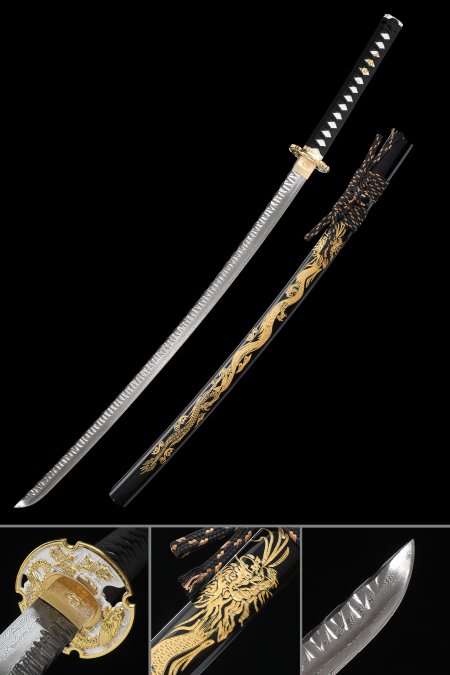
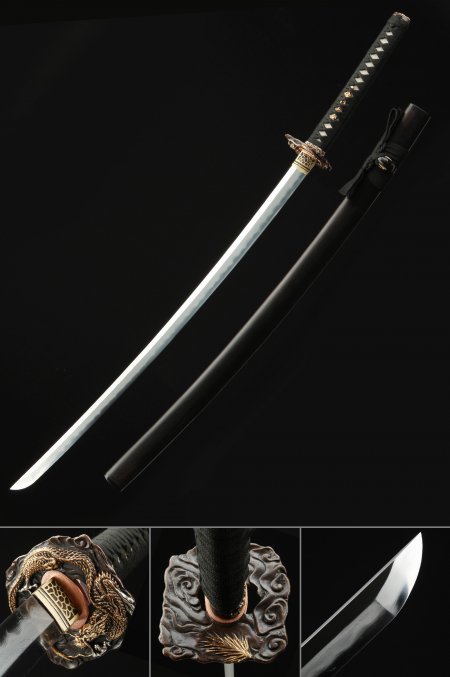
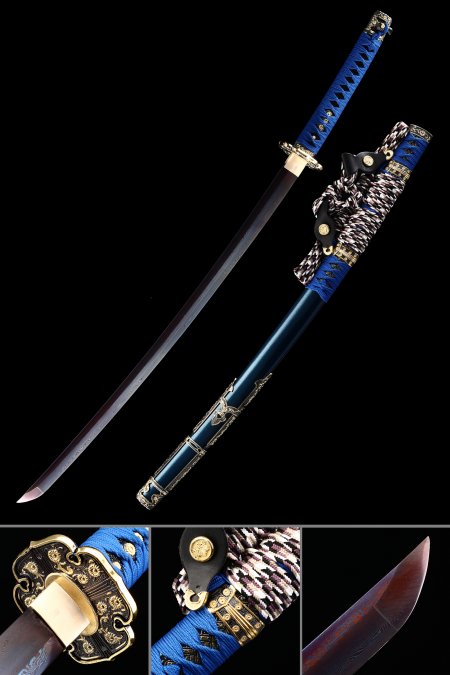
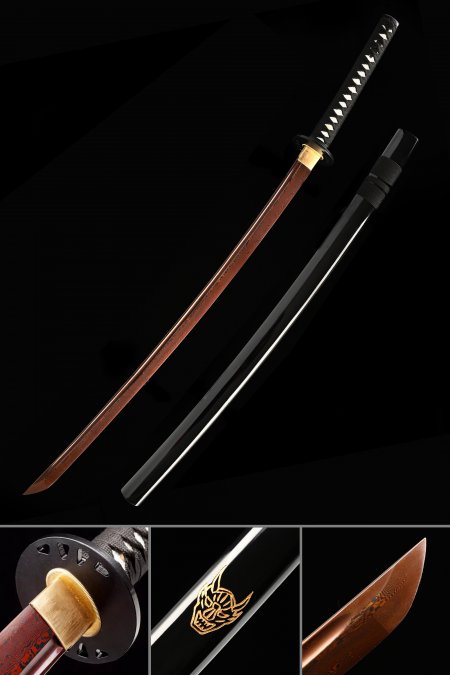
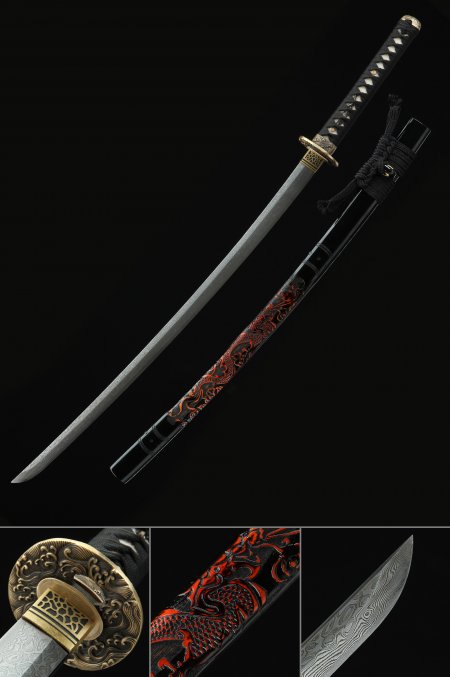
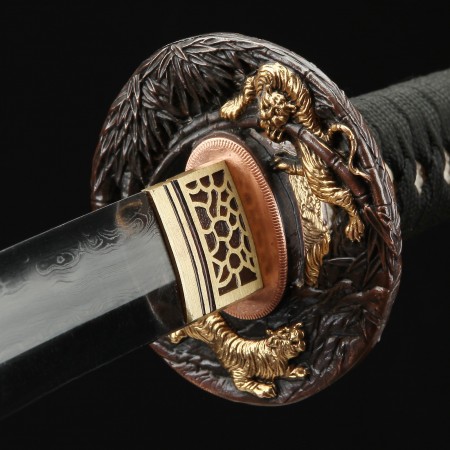
The distinction between a hand-forged odachi and a production alternative lies in how the blade is made and the individual character that results from the hand-forging process. A hand-forged odachi is produced by a smith who individually heats, hammers, shapes, and heat-treats the blade - a process that involves hundreds of hammer blows and multiple heating cycles to bring the blade to its final geometry. This process introduces variation that is inherent to hand work: the Damascus patterning on a hand-forged Damascus odachi is unique to that specific blade because the folding process cannot be exactly replicated; the hamon on a hand-forged T10 odachi follows the specific clay application and quenching conditions of that individual piece. Production swords, by contrast, are made using more mechanized processes that reduce this individual variation. The result is that each hand-forged odachi in this collection is genuinely individual - a blade with its own specific surface character, pattern, and geometry that no other blade exactly replicates.