What is the practical difference between Damascus and T10 steel for a display odachi?
Updated Feb 2026
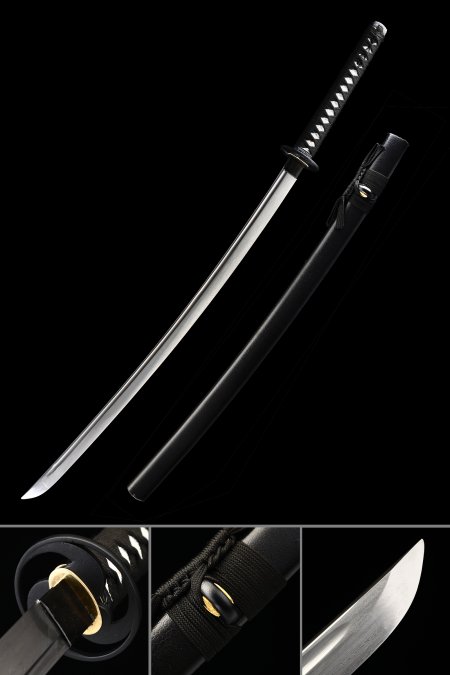
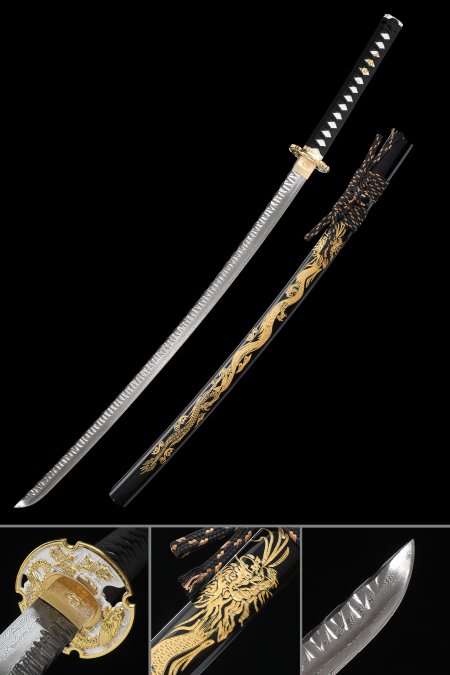
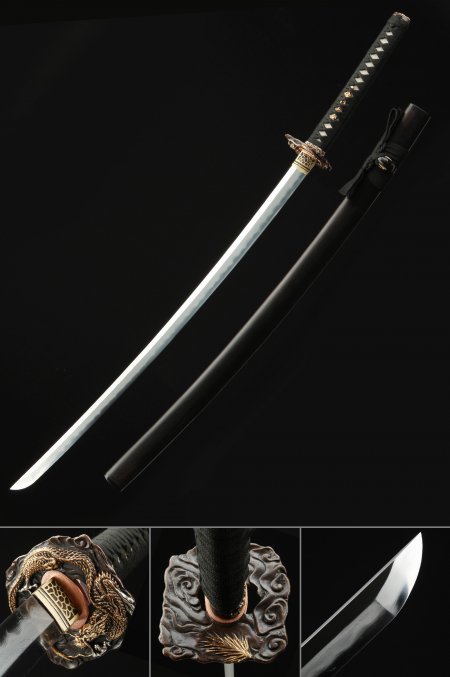
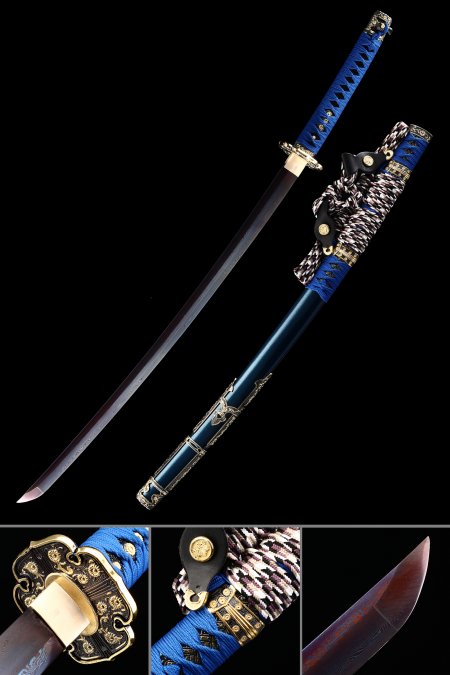
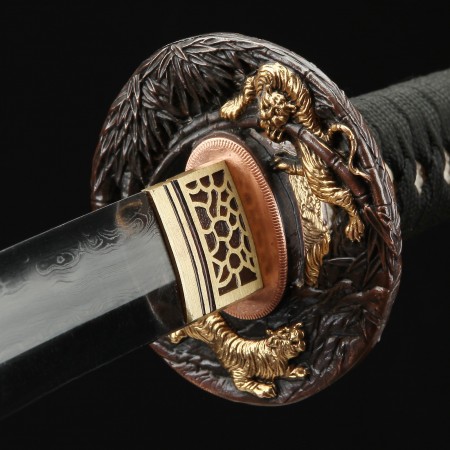
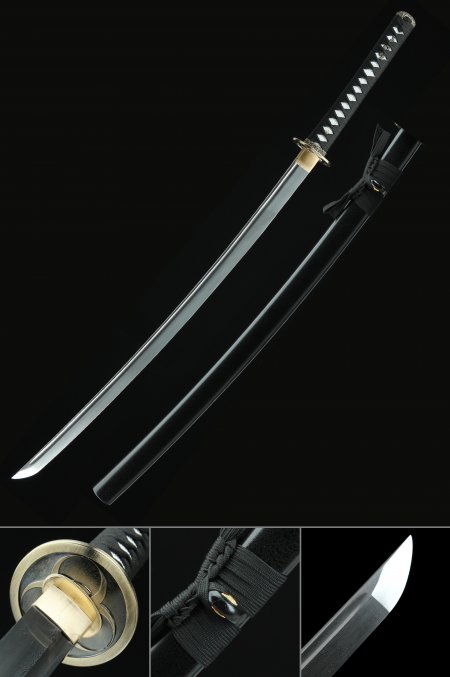
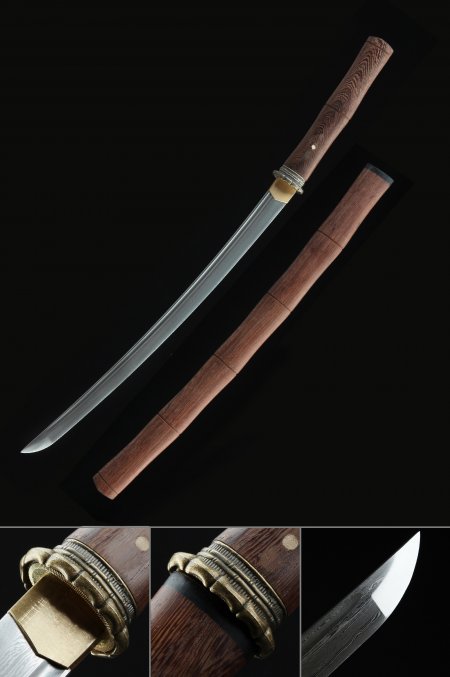
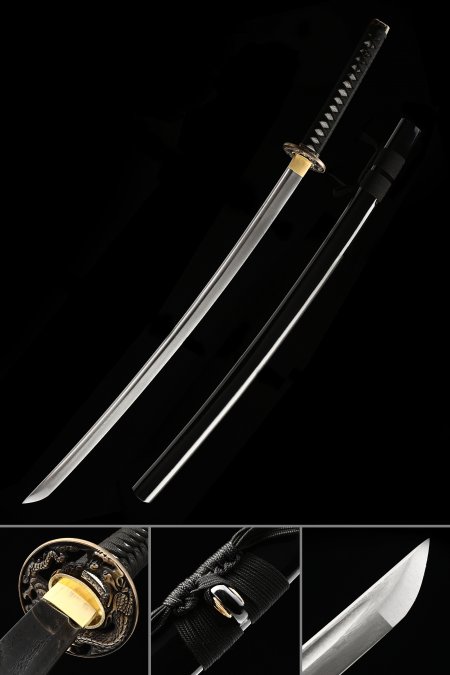
Damascus steel - forge-welded from multiple layers of alternating steel alloys - prioritizes visual drama. The folding and welding process creates flowing woodgrain or water patterns across the entire blade surface that are revealed through acid etching after polishing. No two Damascus blades carry identical patterns, which makes each piece inherently unique as a collectible object. T10 tool steel, by contrast, has a relatively plain surface but carries a much higher tungsten content that contributes to fine-grain hardness and excellent hamon definition after clay tempering. For collectors whose priority is surface artistry and pattern uniqueness, Damascus is the choice. For those who want to study and display authentic hamon activity in a historically accurate high-carbon blade, T10 delivers more in that dimension. Both are legitimate, serious collector materials.