What is the historical origin of the Japanese kodachi sword?
Updated Feb 2026
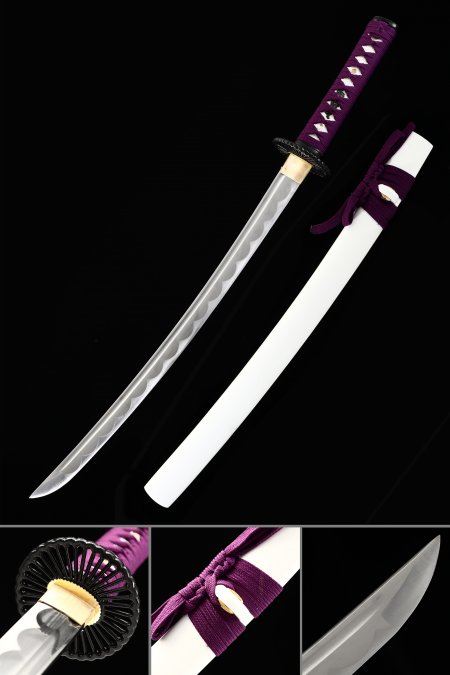
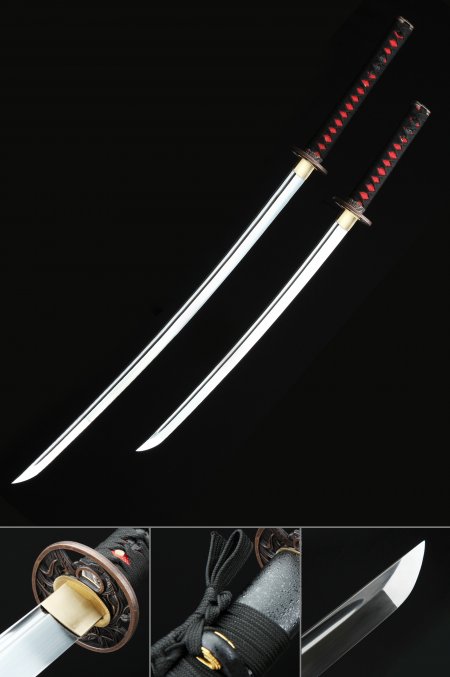
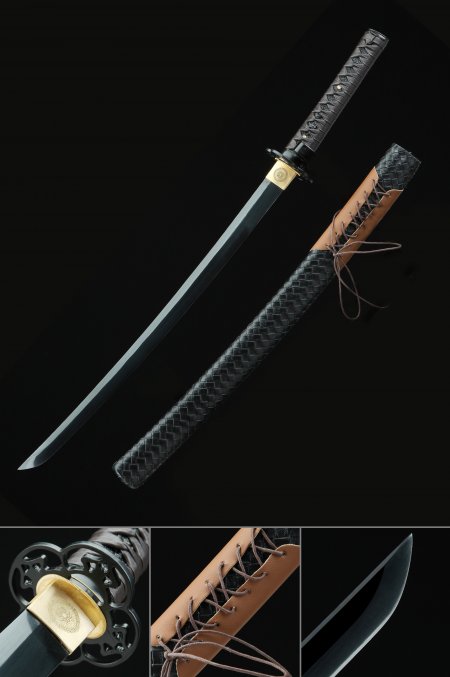
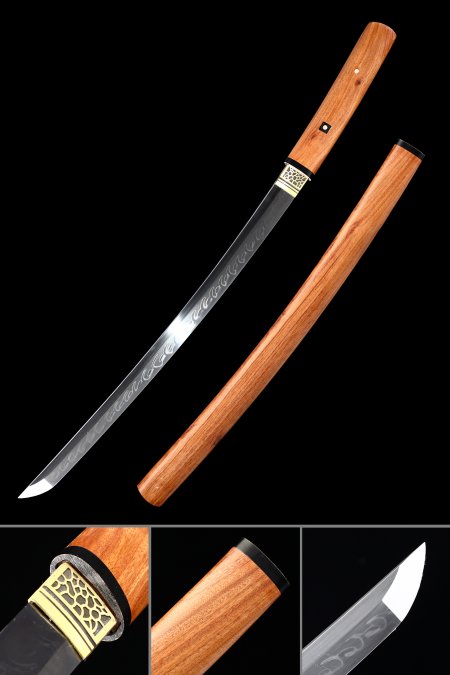
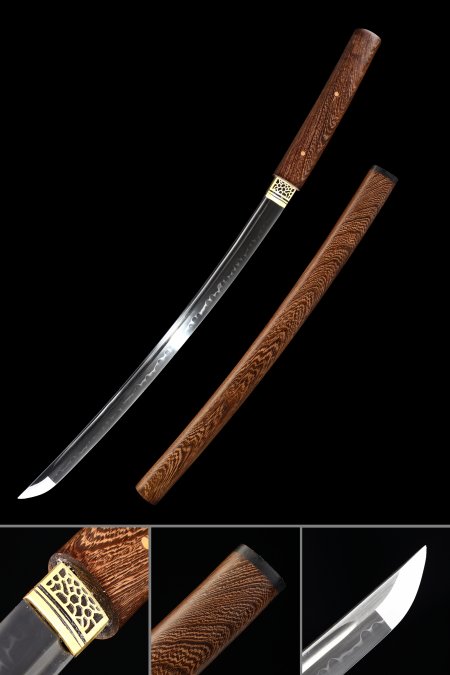
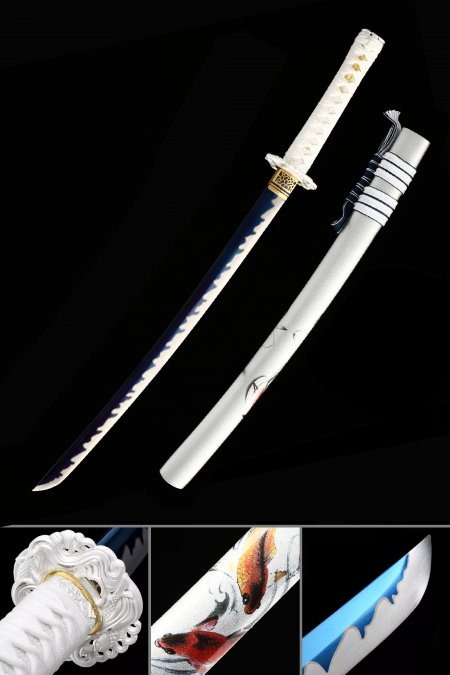
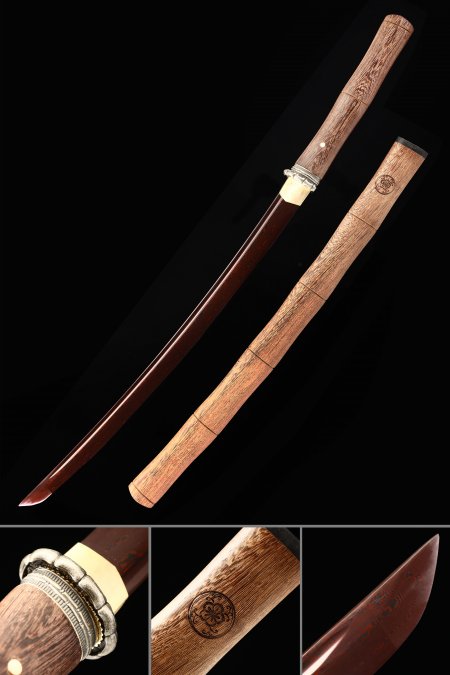
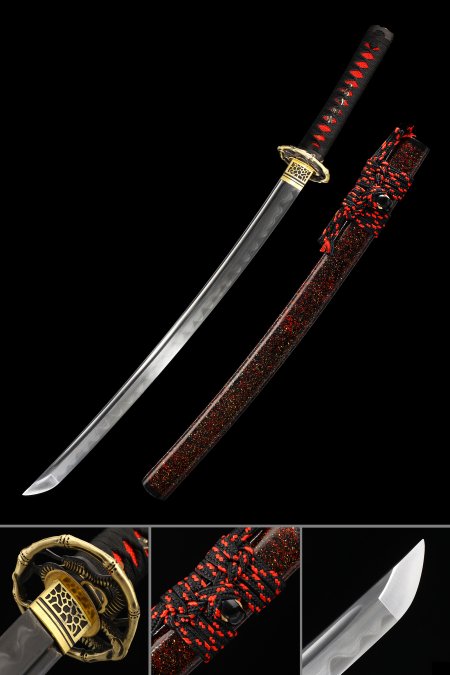
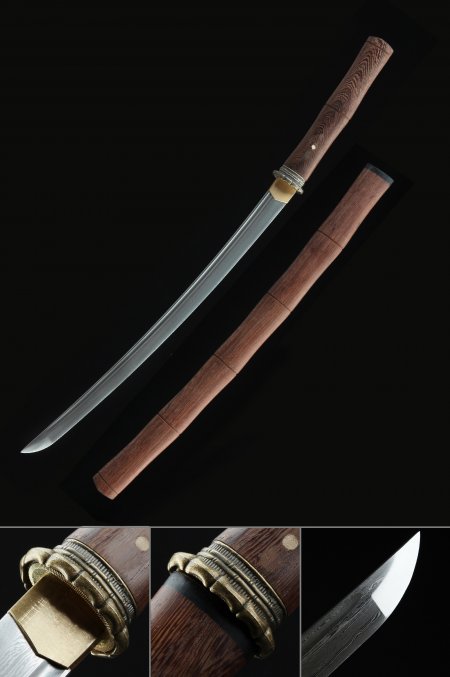
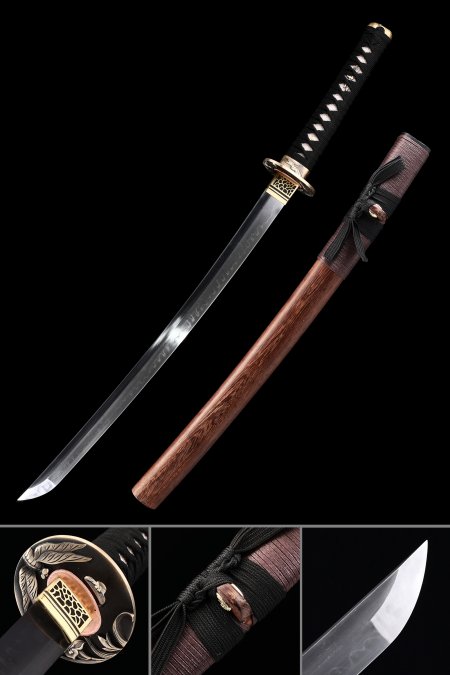
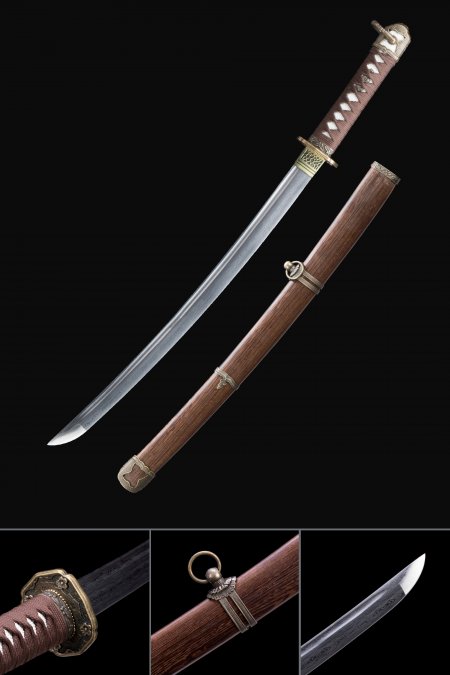
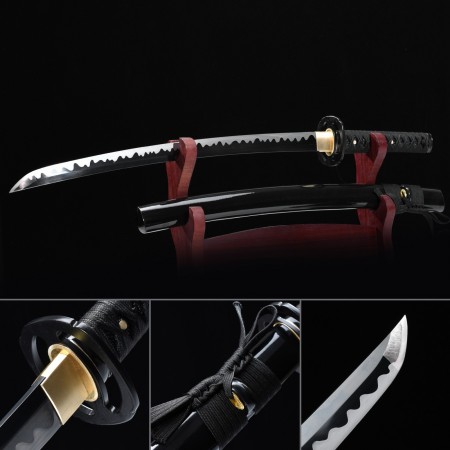
The Japanese kodachi derives its name and design lineage from the tachi - the long curved sword that was the primary blade of the Japanese mounted samurai during the Heian and Kamakura periods, roughly from the 8th through the 14th century. The tachi was typically worn edge-down suspended from the belt by cords, and its pronounced curvature was well suited to mounted use. The kodachi - literally "small tachi" - is a shorter version of this form, retaining the curved single-edged blade profile of the tachi tradition at a more compact and versatile scale. Exactly how and when the kodachi was used in Japanese martial history is less precisely documented than for the katana or wakizashi, but references to shorter tachi-derived blades appear across medieval Japanese records in contexts ranging from civilian carry to battlefield use by warriors who needed a shorter blade than the standard tachi. In the modern collecting market, the kodachi is valued as a historically layered piece that connects directly to the older tachi tradition rather than the Edo-period katana that dominates the Japanese sword collectible category.