How do training katana compare to wooden bokken for martial arts practice?
Updated Feb 2026
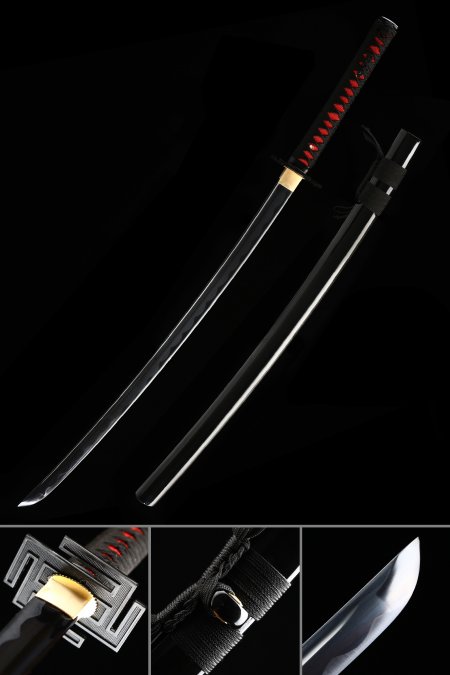
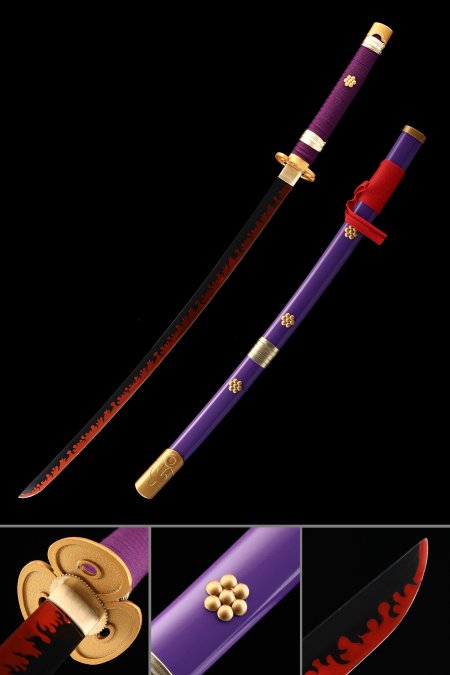
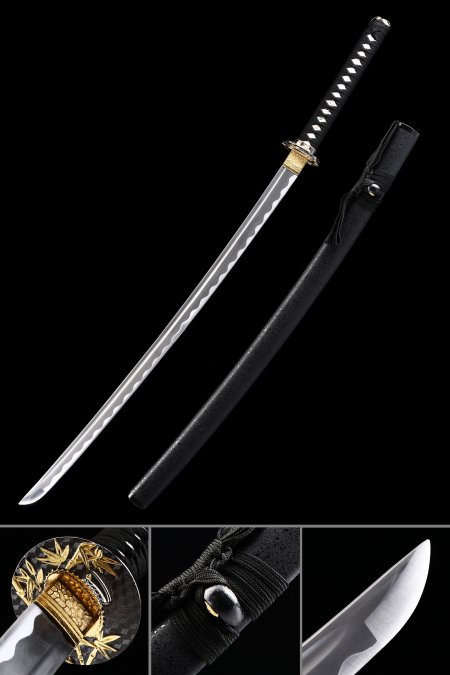
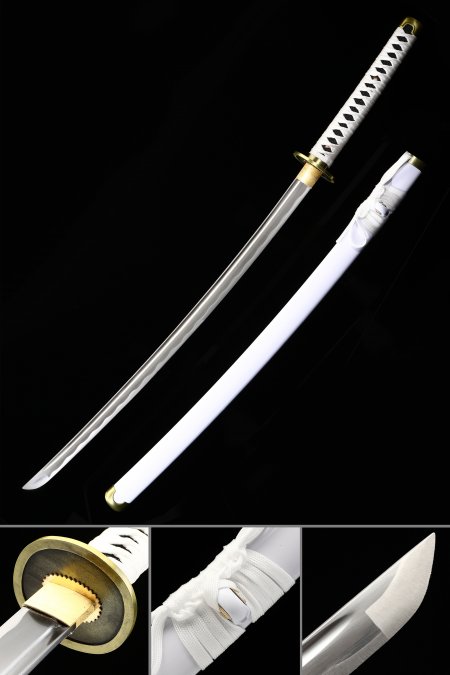
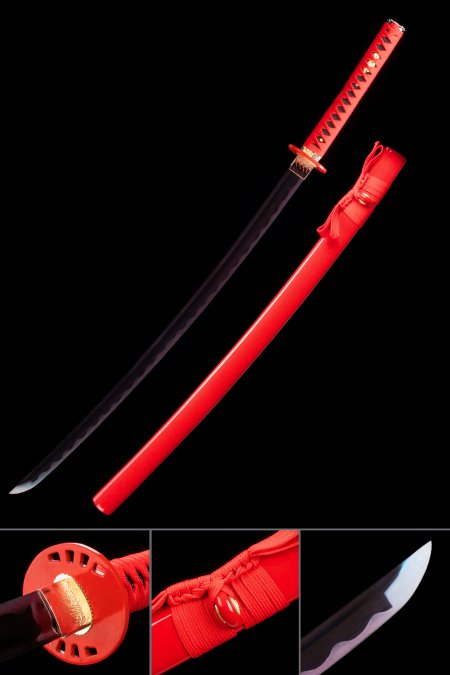
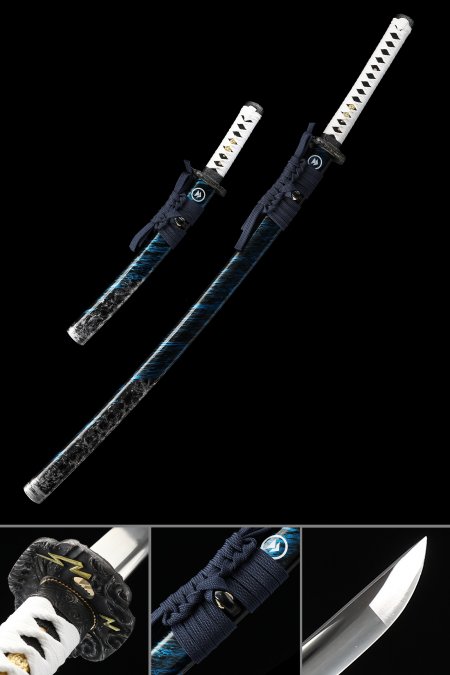
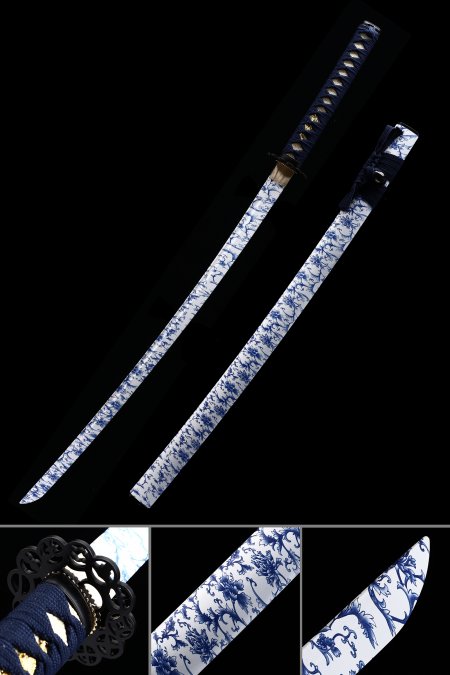
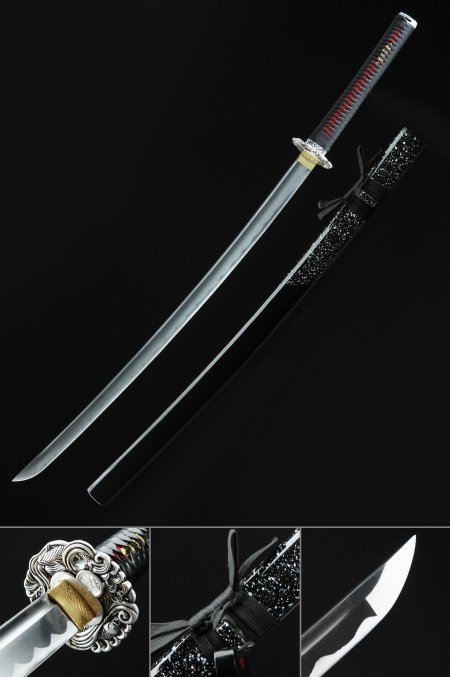
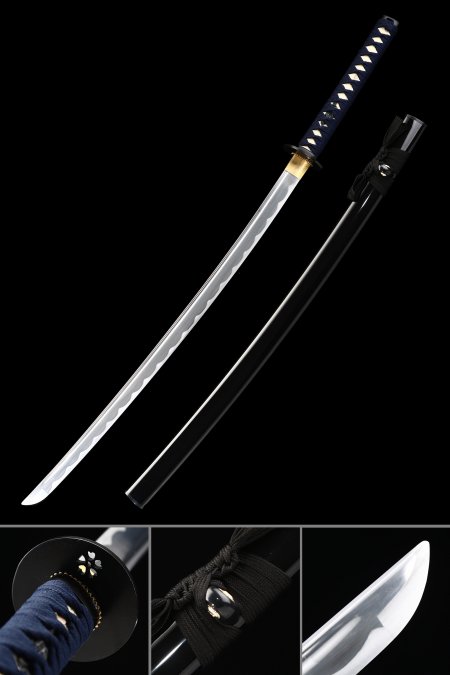
Training katana and wooden bokken each have strengths that make them appropriate for different aspects of martial arts practice. A wooden bokken is the traditional training tool of Japanese sword arts — heavier than an aluminum training sword, with a density that builds arm and wrist strength over time. The weight of a hardwood bokken also helps develop the slow, controlled movements that are fundamental to correct technique. An aluminum training katana, by contrast, is lighter and moves faster, making it a better tool for developing speed and precision in cutting forms and transitions. The aluminum blade also has a more blade-like profile than most bokken, which some practitioners find helps them visualize cutting angles more clearly. Many serious students own both: a bokken for conditioning and slow-work practice, and an aluminum training katana for speed drills and full-tempo kata rehearsal. Together, the two tools provide a comprehensive training environment.