FAST SHIP
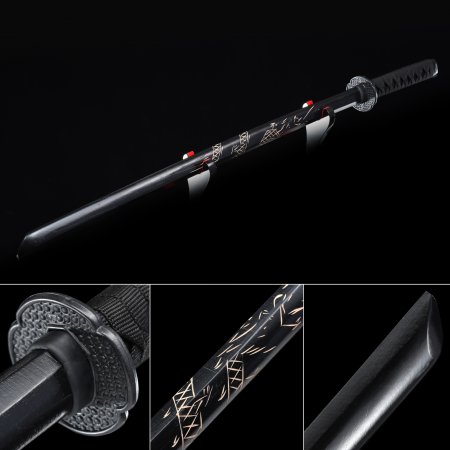

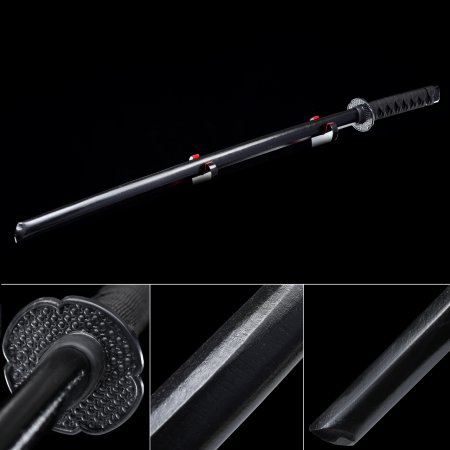
Black bokken are handcrafted wooden training swords finished in a deep, matte black that sets them apart from natural-grain hardwood alternatives. Shaped to the precise dimensions of a full-length daito, each piece is balanced for kata practice and display alike. Every order ships free with hassle-free returns, so adding one to your collection is completely risk-free.
It's fire thanks will be ordering more and it came fast
 |
Handmade Black Wooden Kendo Stick Kendo Bokken Iaido Practice Daito Sparring Training Katana Swords |
Good solid wooden Kendo stick. Hard to find anything that isn't plastic anymore. The dragon etching was a nice design. My grandson loved it.
|
Handmade Black Wooden Kendo Stick Kendo Bokken Iaido Practice Daito Sparring Training Katana Swords |
The delivery was faster than I was expecting which I loved! Unfortunately I only got one of the two products I had ordered, luckily I got an email response within hours notifying me that I would be getting another one! Amazing service!
|
Handmade Black Wooden Kendo Stick Kendo Bokken Iaido Practice Daito Sparring Training Katana Swords |
Great broken. Well crafted true to form. Great carved in detail and solid practice piece. You can justifiably tak pride in this product.
|
Handmade Black Wooden Kendo Stick Kendo Bokken Iaido Practice Daito Sparring Training Katana Swords |
Wonderful item, shipping must have been super easy because it arrived on time with no issues
|
Handmade Black Wooden Kendo Stick Kendo Bokken Iaido Practice Daito Sparring Training Katana Swords |
It was very amazing and detailed. The tip of it was chipped though but besides that, it's awesome. My first wooden sword and it felt good. Thank you for the awesome experience!
|
Handmade Black Wooden Kendo Stick Kendo Bokken Iaido Practice Daito Sparring Training Katana Swords |
It only 3 stars because I did not give me a shipping order it didn't even say it was shipped and the 2 day of practice the warp cam off.
|
Handmade Black Wooden Kendo Stick Kendo Bokken Iaido Practice Daito Sparring Training Katana Swords |
Perfect gift for my son. I’ll likely be ordering myself one as well
|
Handmade Black Wooden Kendo Stick Kendo Bokken Iaido Practice Daito Sparring Training Katana Swords |