How does the hamon on a T10 tanto compare to a lower-carbon steel tanto?
Updated Feb 2026
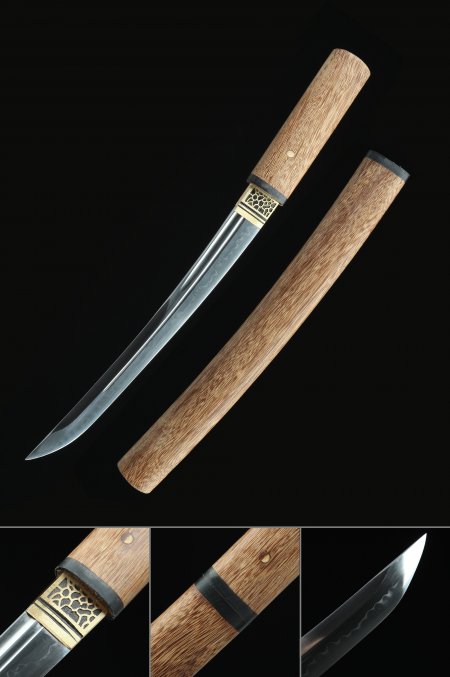
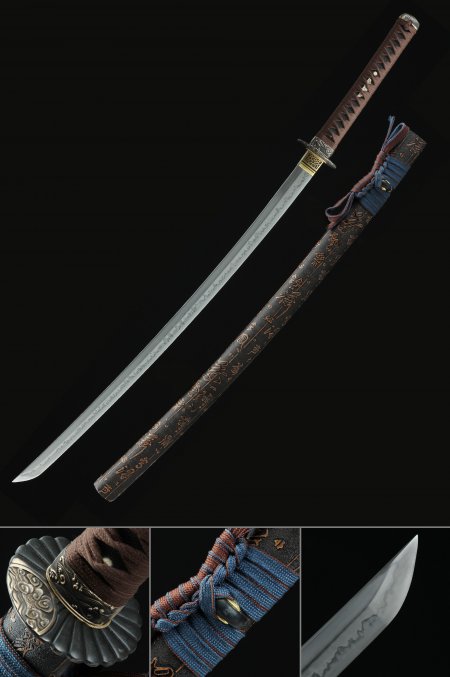
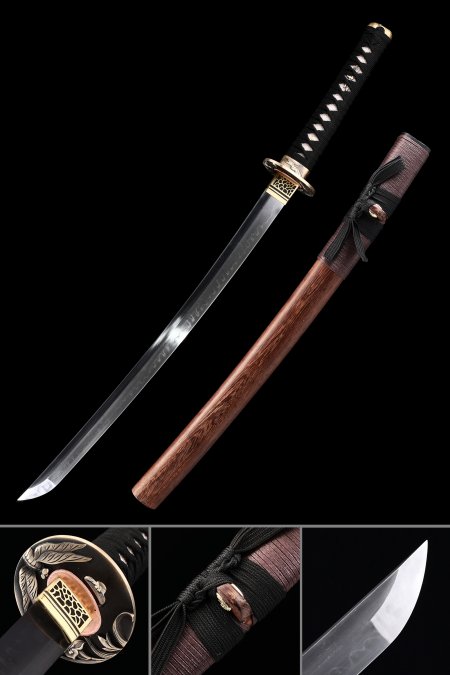
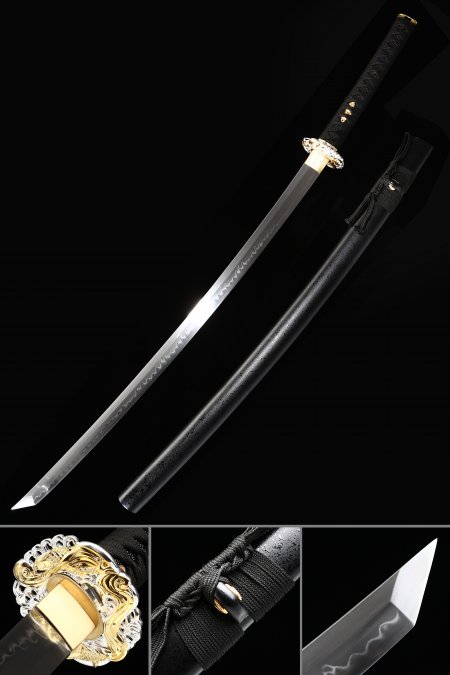
The hamon on a T10 tanto is typically more clearly defined, more active with crystalline detail, and more visually complex than the hamon on a tanto made from lower-carbon steel. On a 1045 or 1060 carbon steel tanto with clay tempering, a hamon is present but the transition zone between hardened and unhardened areas is less sharp, and the nie and nioi activity is less dense. The hamon reads as a visible line but with less of the misty activity and crystalline detail that makes a T10 hamon compelling to examine. On a T10 tanto, the higher carbon content produces a more complete martensite formation in the edge zone and a more well-defined transition boundary, which results in a hamon that shows clearly defined nioi, visible nie activity in the transition zone, and the kind of irregular, organic boundary shape that experienced sword appreciators describe with terms like choji-midare and suguha. For collectors who are specifically interested in the hamon as an aesthetic and technical feature, the difference between a T10 clay-tempered tanto and a lower-carbon equivalent is immediately apparent under close examination with a good light source.