What is a hamon line and how do I spot it on a tanto blade?
Updated Mar 2026
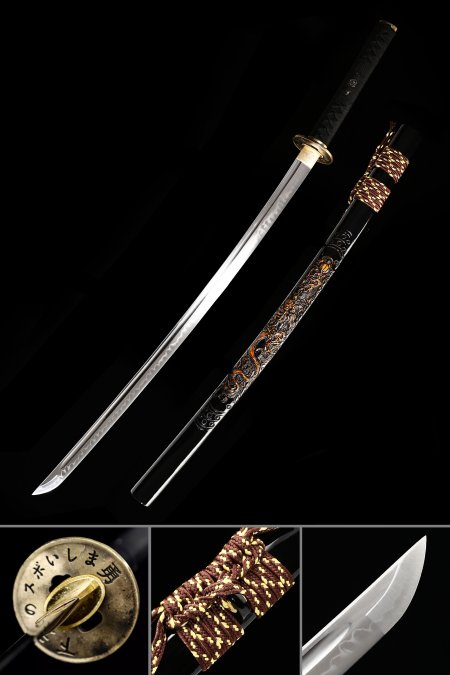
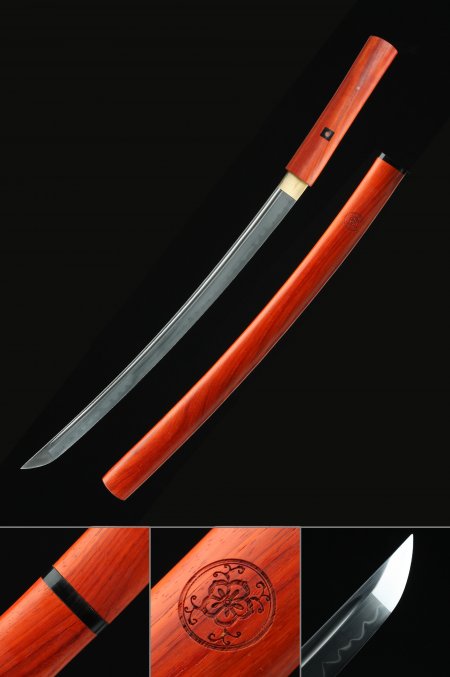
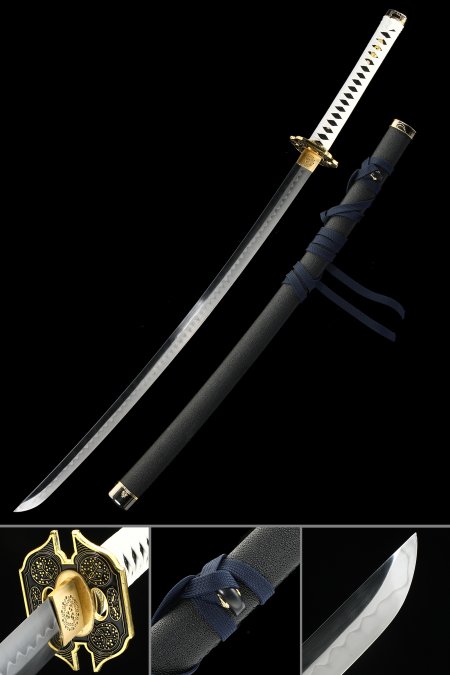
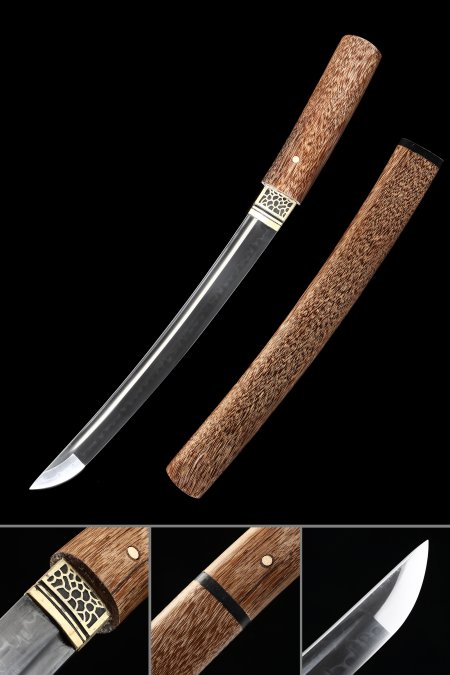
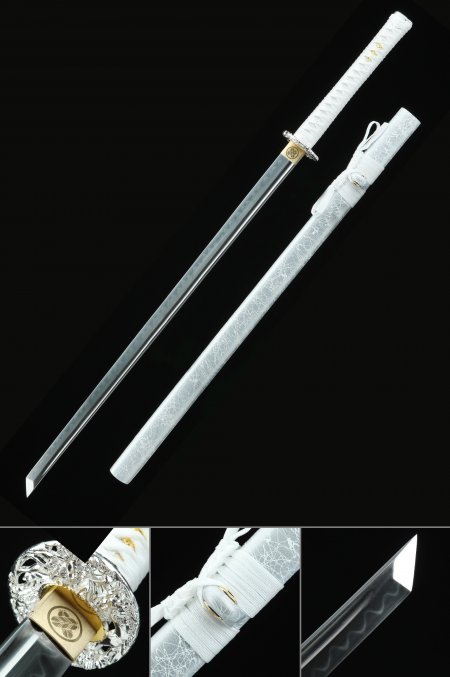
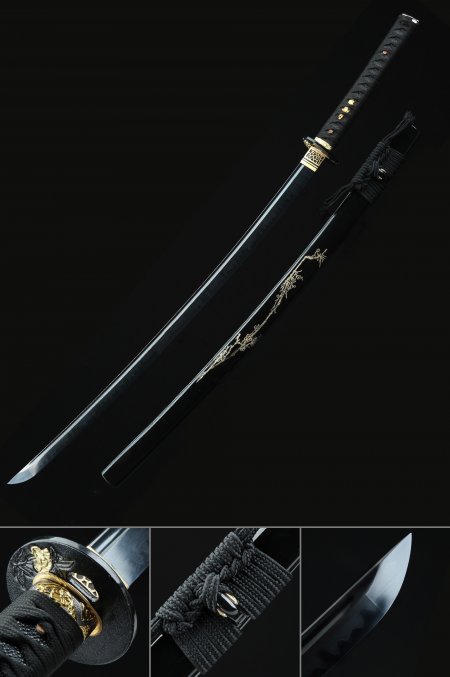
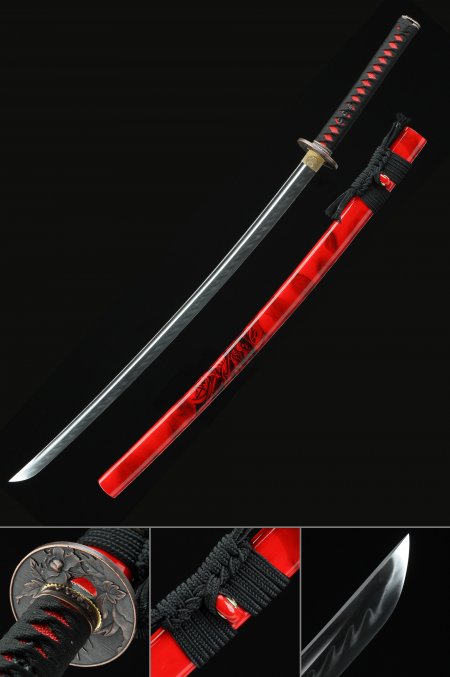
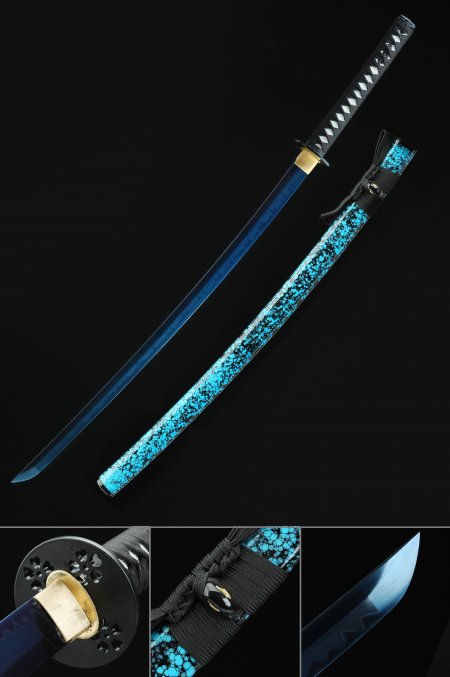
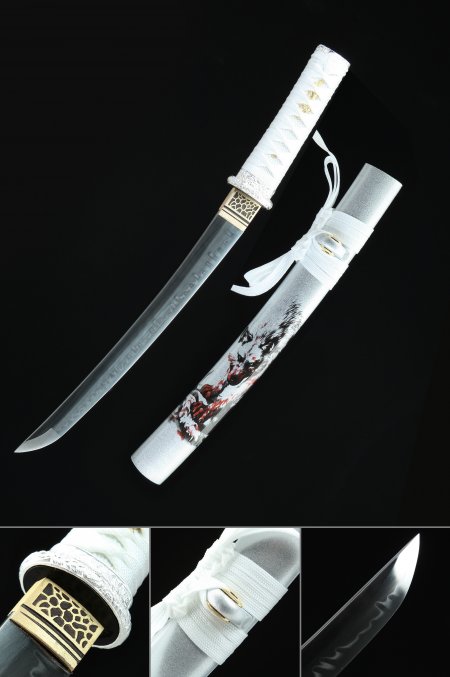
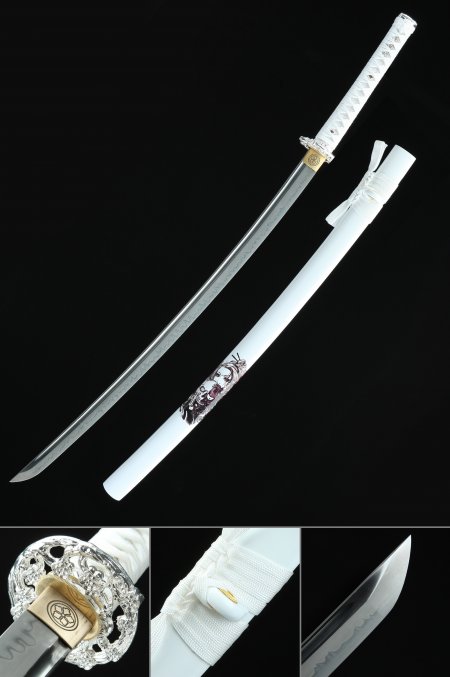
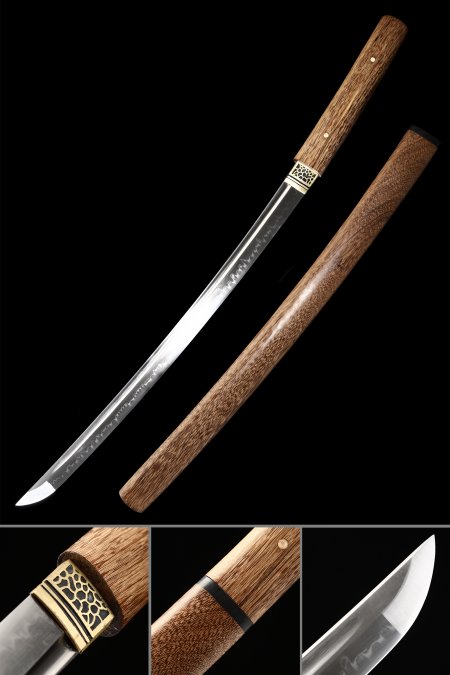
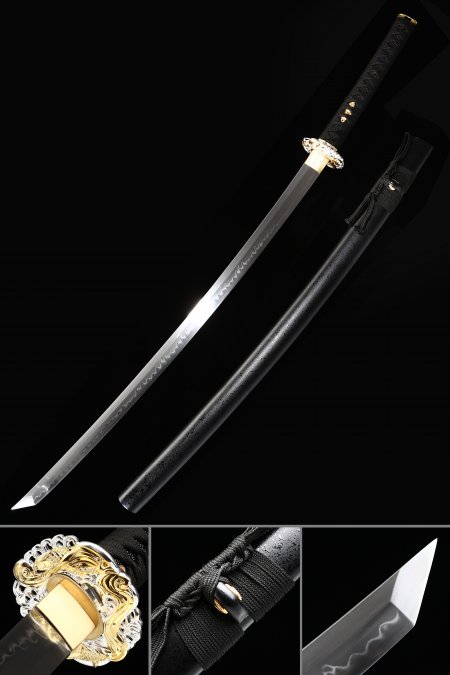
A hamon is the visible boundary between the hardened edge zone and the softer spine of a clay-tempered blade, produced during differential heat treatment. On a polished tanto blade, it appears as a misty, undulating line running parallel to the cutting edge - sometimes subtle and cloud-like (called nie), sometimes bold and clearly defined (called nioi). To appreciate a hamon, hold the blade at a low angle under a single directed light source such as a lamp or natural window light, and tilt slowly until the temper line catches. A genuine clay-tempered hamon has visible activity and texture within the line; a simulated acid-etched hamon on lower-grade blades tends to look flat and uniform by comparison. Collectors in this category should look specifically for pieces described as "clay tempered T10" to ensure the hamon is metallurgically authentic.