What are the main types of Japanese swords and how do they differ?
Updated Feb 2026
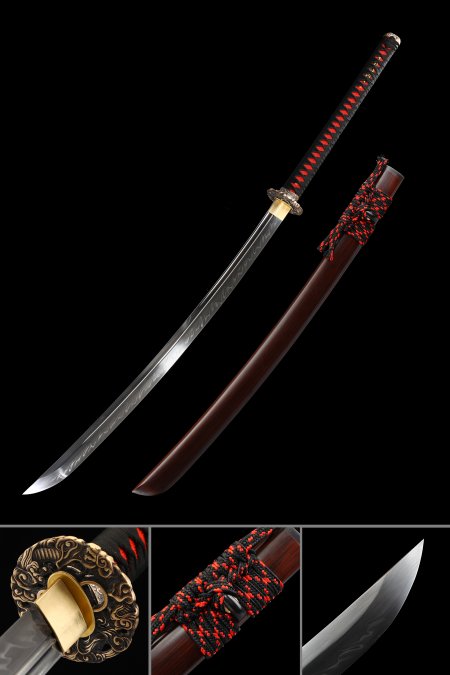
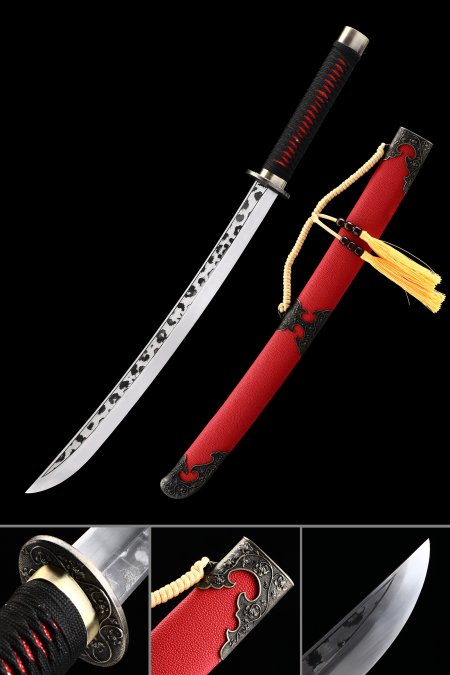
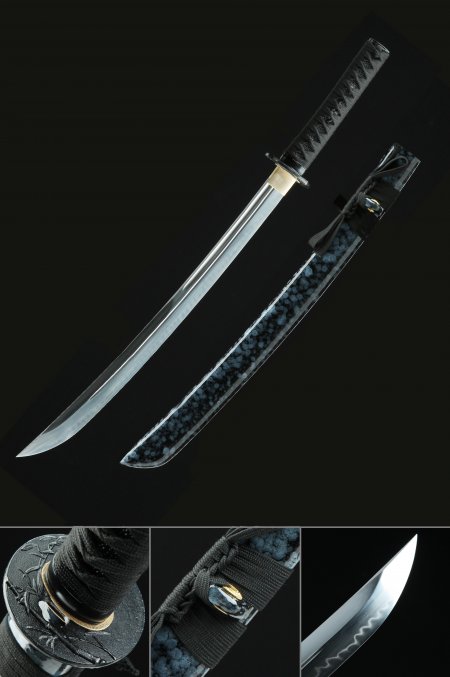
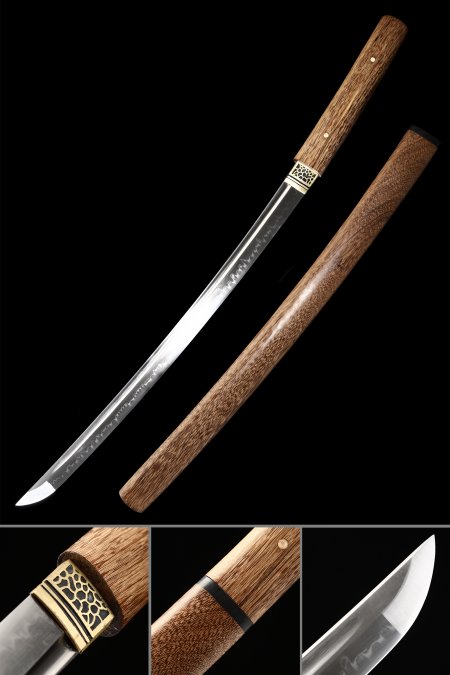
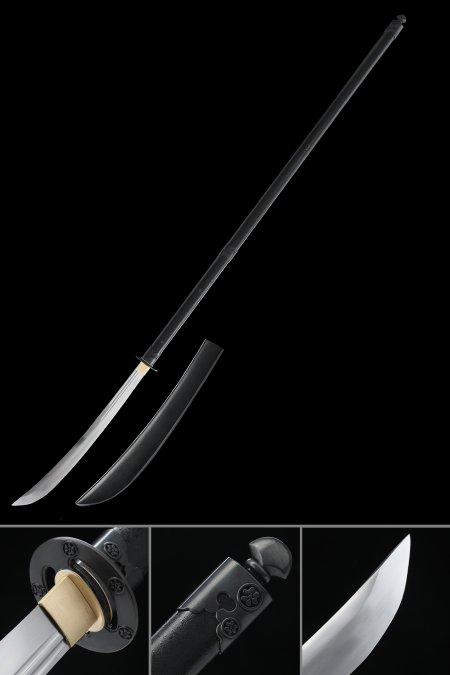
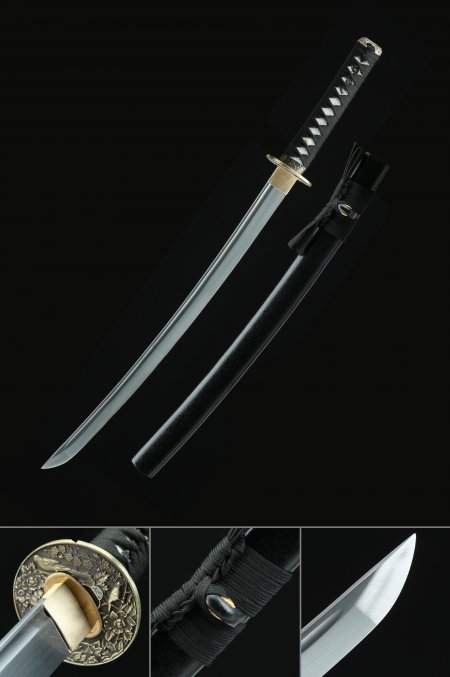
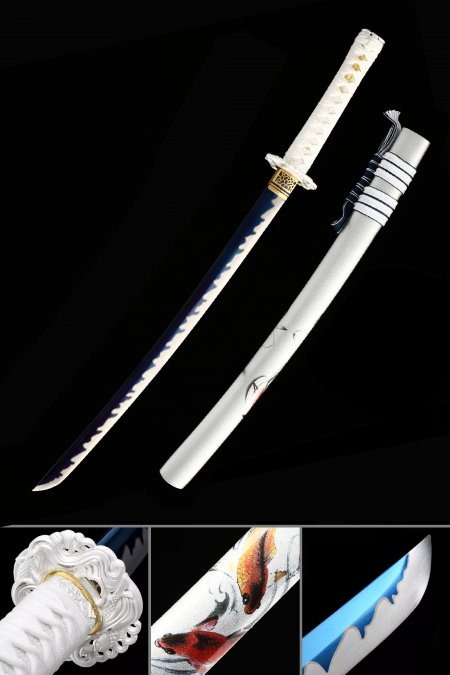
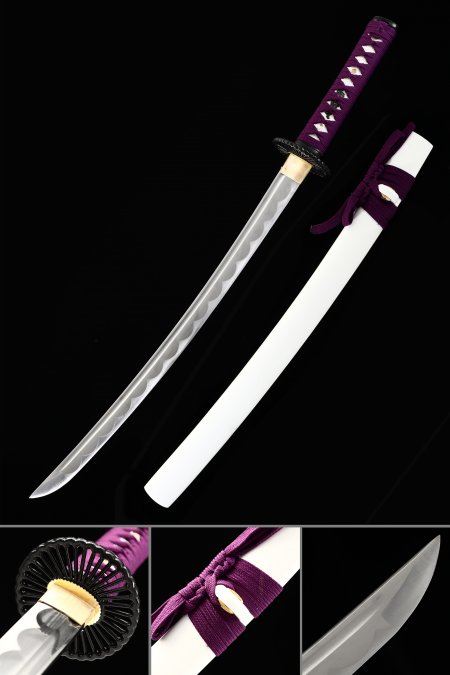
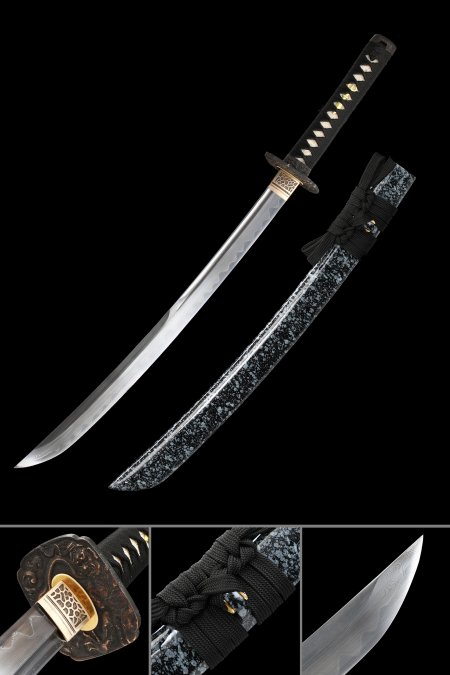
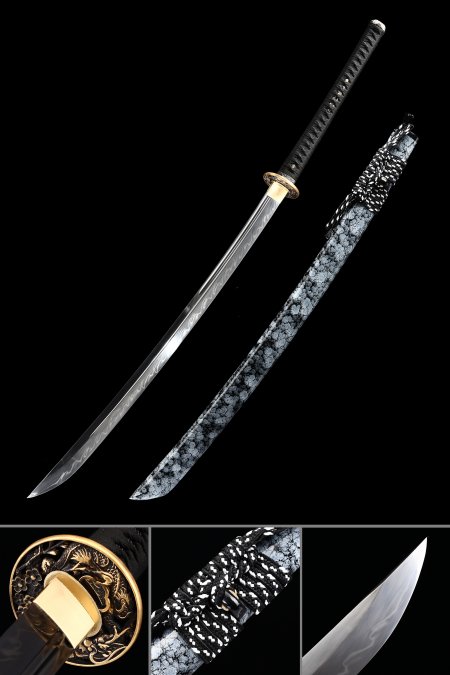
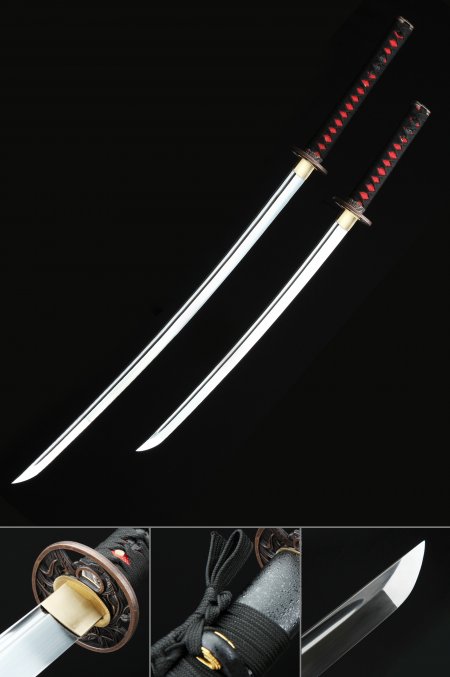
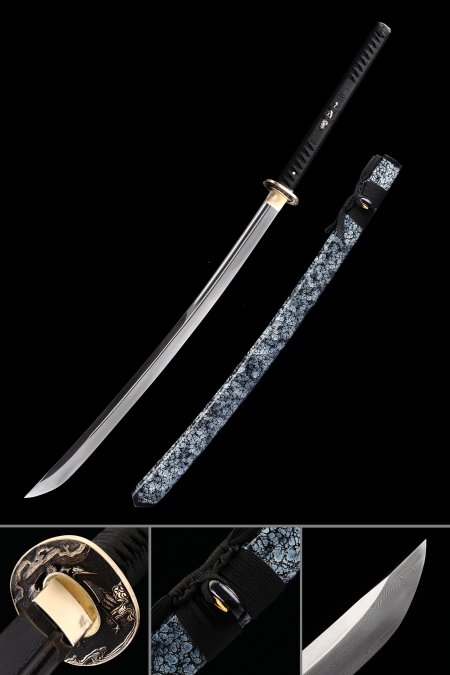
The major Japanese sword types are defined primarily by blade length and the historical role associated with each. The katana is the longest sword worn by samurai as a sidearm, with a blade of 60 to 75 centimeters and an overall length of 95 to 115 centimeters in its saya. The wakizashi is the shorter companion sword of the daisho pair, with a blade of 30 to 60 centimeters. The tanto is the shortest sword, with a blade under 30 centimeters, traditionally worn as a personal defense weapon and for close situations. The tachi is an older, longer curved sword that preceded the katana and was typically suspended from the belt rather than thrust through it edge-up. The naginata is a pole weapon with a curved blade, distinct from the purely hand-held sword forms. Each type has its own production conventions, blade geometry variations, and cultural associations. For collectors, each type also has its own display character: katana for long-format display at standing height, wakizashi for mid-format, tanto for close-examination desk display, and naginata for floor-stand vertical display.