How do T10 and 1065 carbon steel compare in a shirasaya katana?
Updated Feb 2026
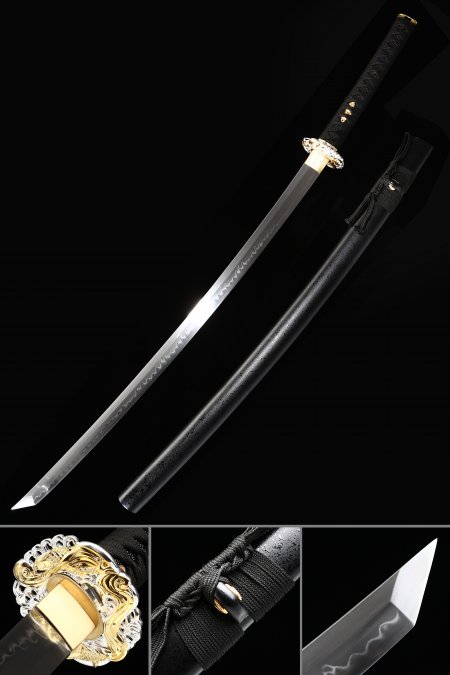
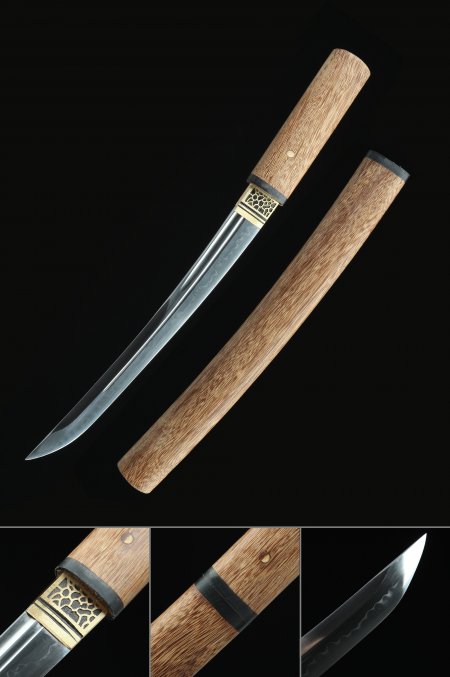
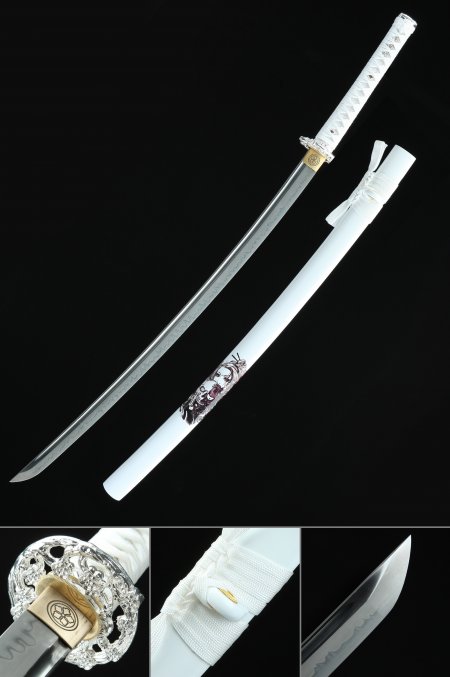
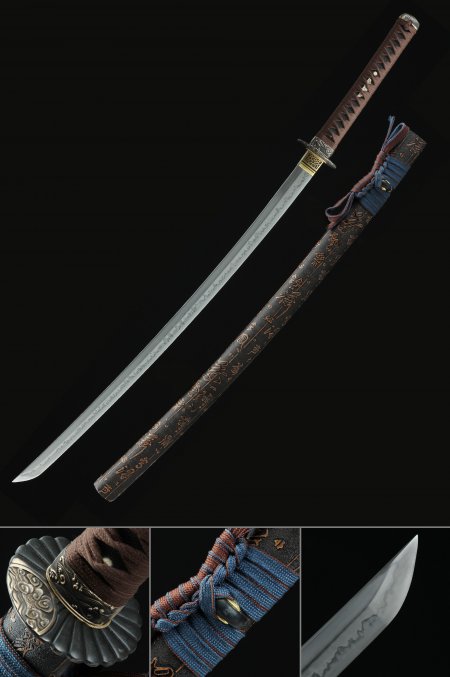
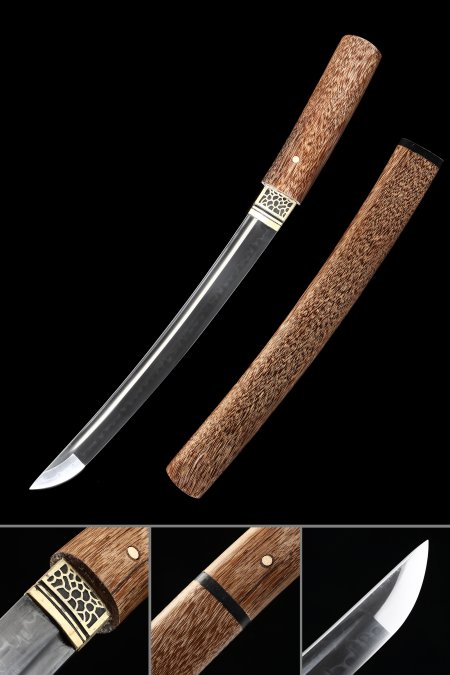
T10 and 1065 carbon steel are both high-carbon steels appropriate for katana production, with different characteristics that affect the blade's appearance and performance profile. T10 has a carbon content of approximately 1.0 percent and is typically clay-tempered to produce a differential hardness profile - the edge zone hardened to high hardness, the spine area left tougher and more flexible. This produces a visible hamon, the boundary line between the two hardness zones, which is one of the most prized aesthetic and technical features of traditional Japanese sword production. In a shirasaya, where the blade's surface is the primary visual element, T10 clay-tempered steel with a well-developed hamon makes the strongest visual statement. 1065 carbon steel has a slightly lower carbon content at approximately 0.65 percent and is typically used in a more conventional hardening process without clay tempering. It produces a reliable, tough blade with good edge retention but without the visible hamon of clay-tempered steel. For collectors primarily interested in visual display, T10 clay-tempered is the stronger choice; for those who prioritize structural toughness and reliability in a handled collectible, 1065 provides excellent properties.