How do I decide which sword goes on the upper and which on the lower tier?
Updated Feb 2026
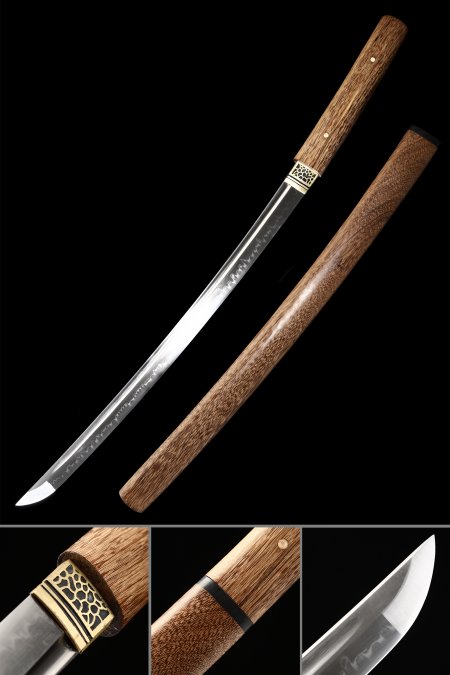
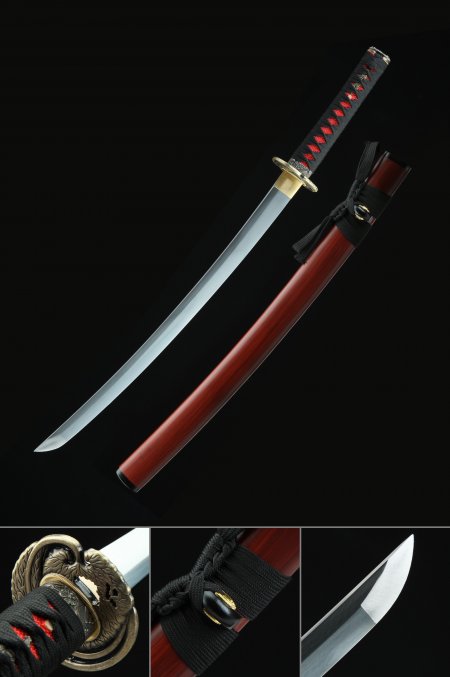
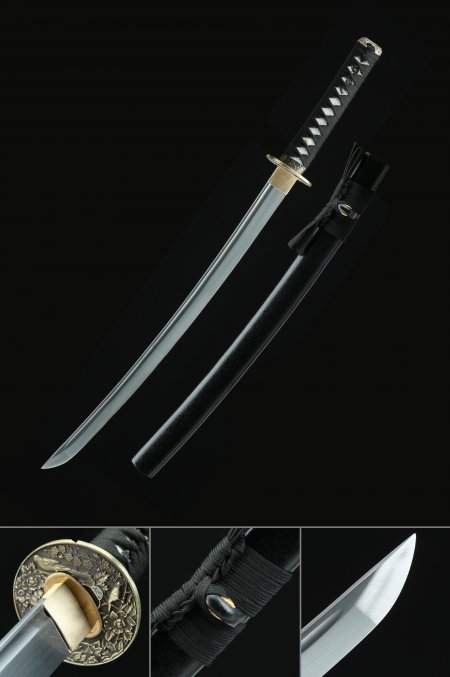
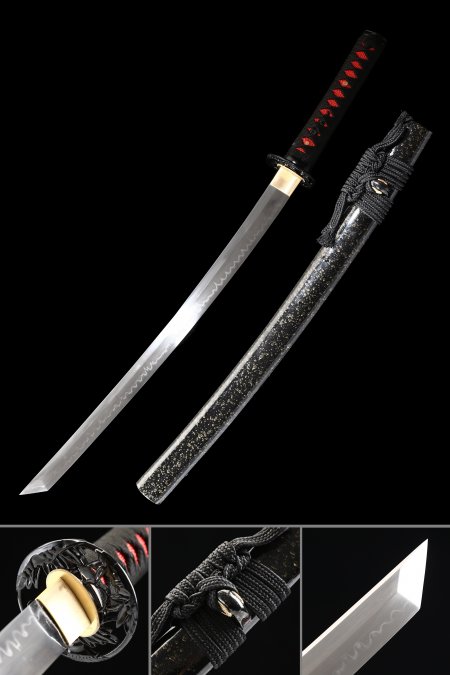
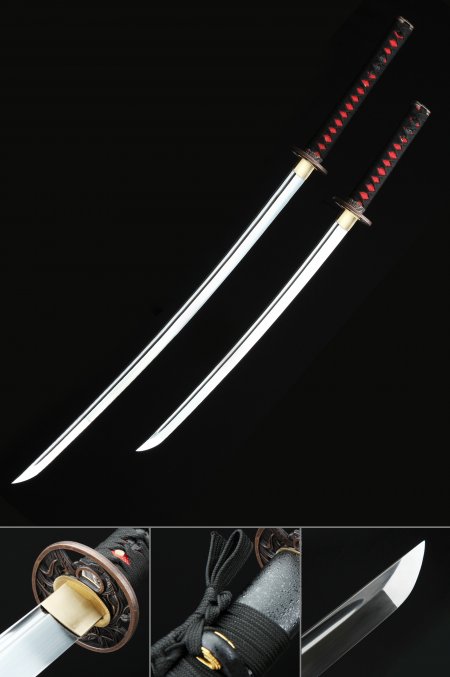
The traditional convention for placing two Japanese swords on a 2-tier stand assigns the upper tier to the longer sword and the lower tier to the shorter. This derives directly from the daisho convention where the katana - the longer sword - occupies the upper position and the wakizashi the lower. The practical reason is stability: the longer and typically heavier sword on the upper tier produces a slightly higher center of gravity, but it also means the more prominent sword is in the more visible upper position, which is the correct visual hierarchy for the daisho tradition. For two swords of similar length, the upper tier is the more prominent display position and conventionally goes to the sword you consider the primary or more significant piece - the one you would show first if explaining the collection to someone. If the two swords are truly equivalent in significance, placing the one with the more visually striking saya on the upper tier often produces the more interesting display.