What does the snake tsuba symbolize on a Japanese sword mounting?
Updated Mar 2026
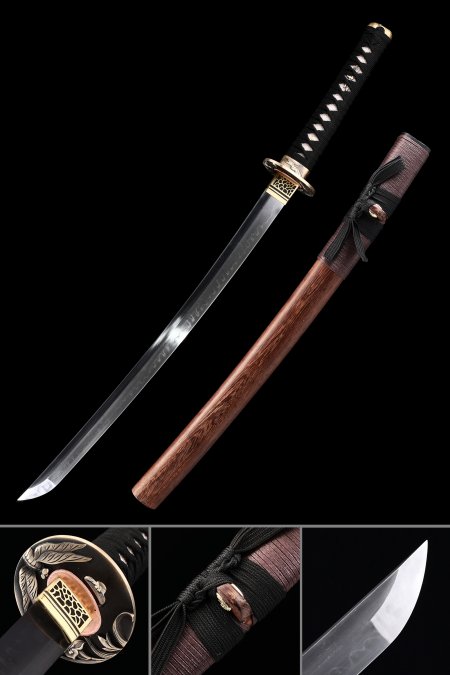
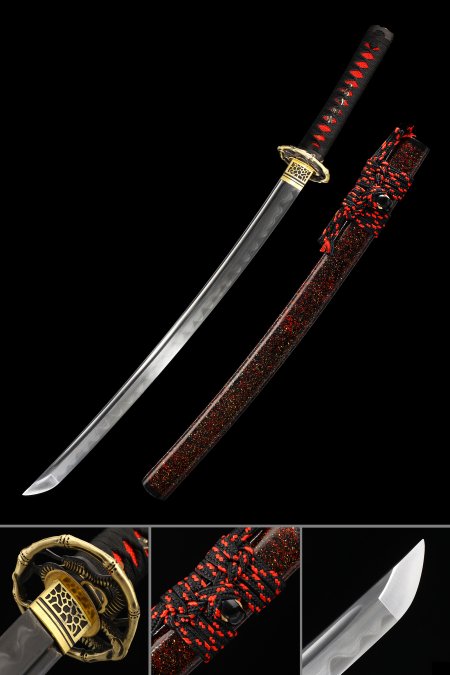
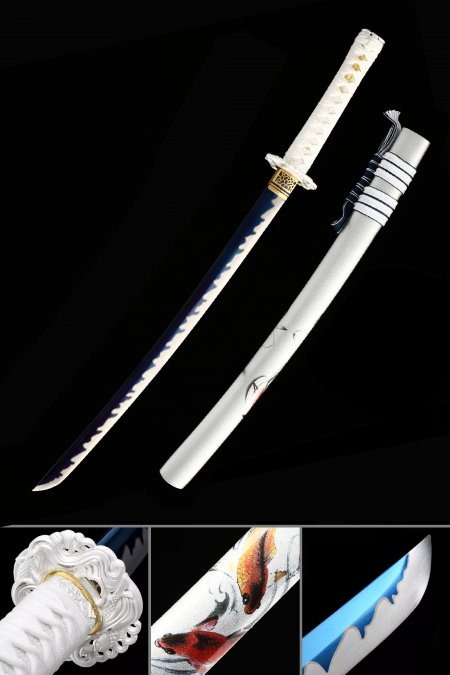
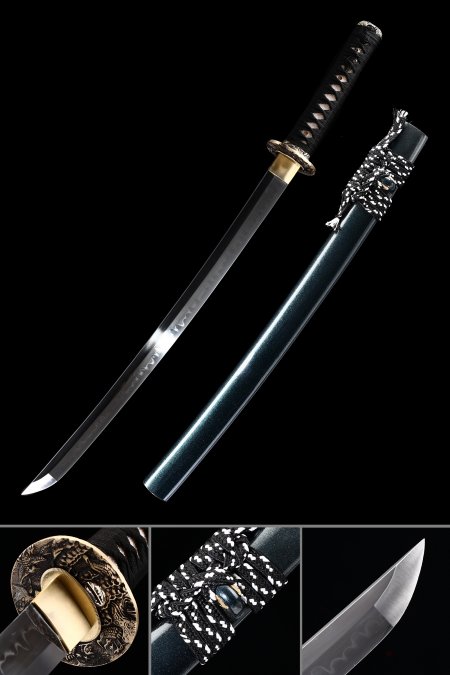
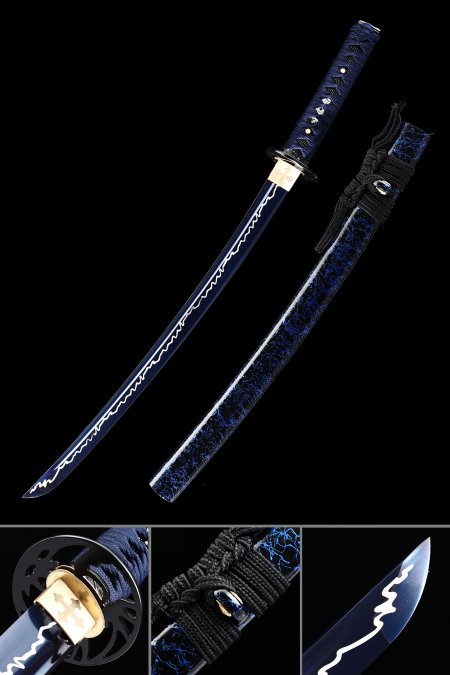
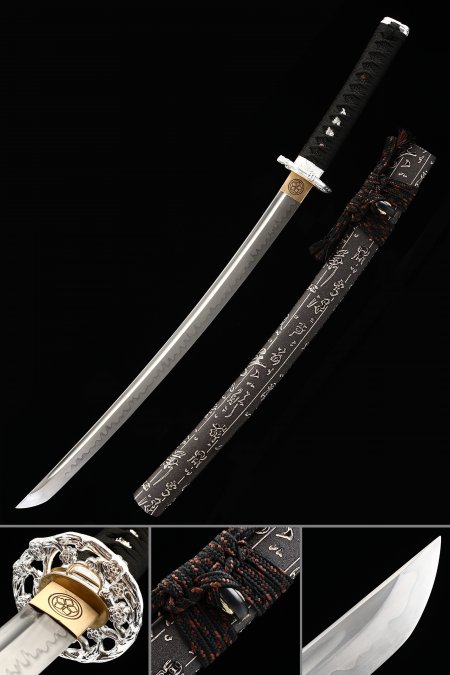
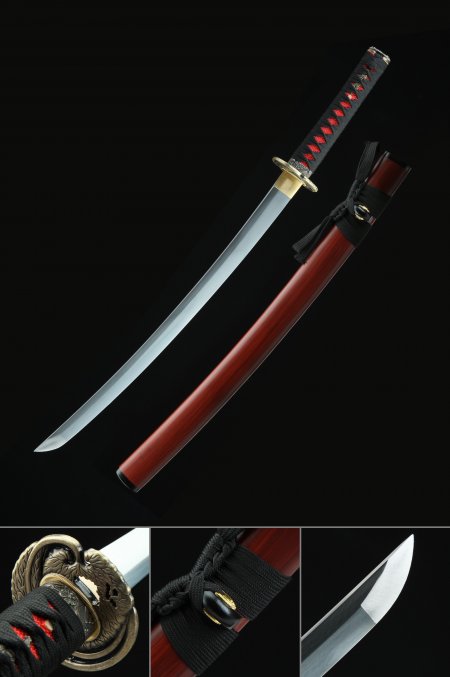
In Japanese iconography, the snake — or hebi — carries layered meanings depending on context. It is frequently associated with protection, transformation, and hidden wisdom, as snakes were believed in many East Asian traditions to guard sacred spaces and treasures. On sword fittings, the snake motif gained particular traction during the Edo period, when artisans competed to produce tsuba with elaborate symbolic programs rather than simple geometric designs. A snake-motif tsuba on a flame blade wakizashi creates an intentional visual dialogue: the sinuous, undulating form of the serpent mirrors the wave-like geometry of the blade itself, making the entire mounting feel like a unified design statement. For collectors interested in Japanese metalworking traditions, tsuba with naturalistic motifs like the snake represent some of the most technically demanding work in the craft.