What is differential clay tempering and why does it matter?
Updated Feb 2026
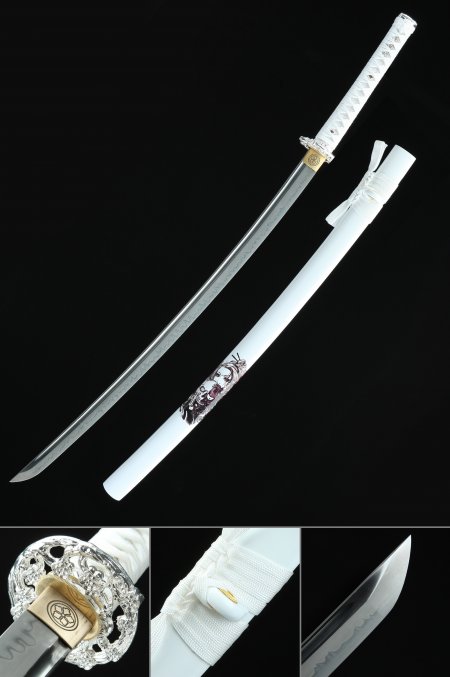
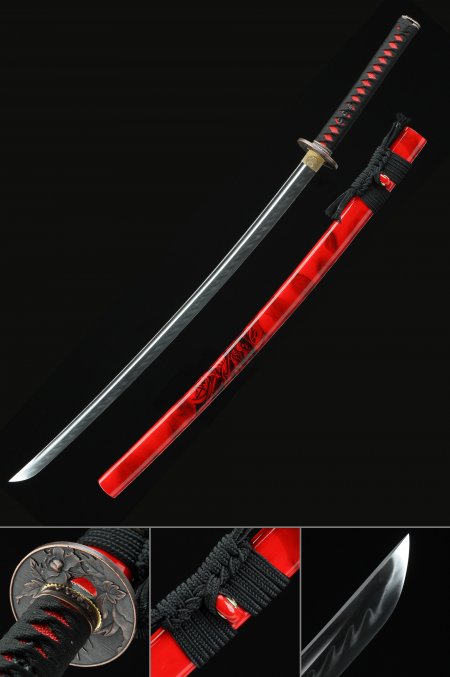
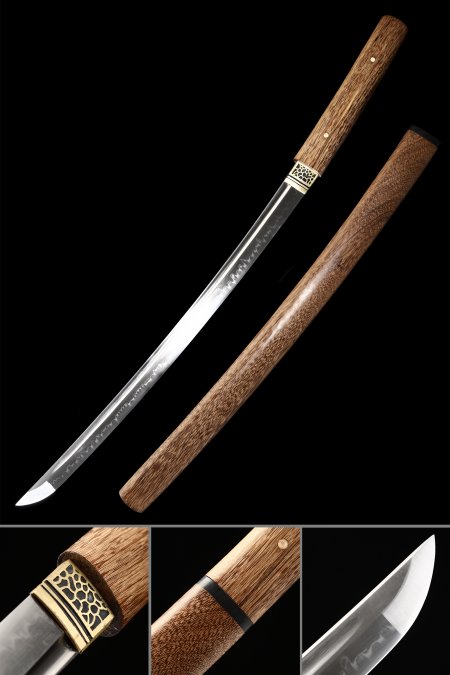
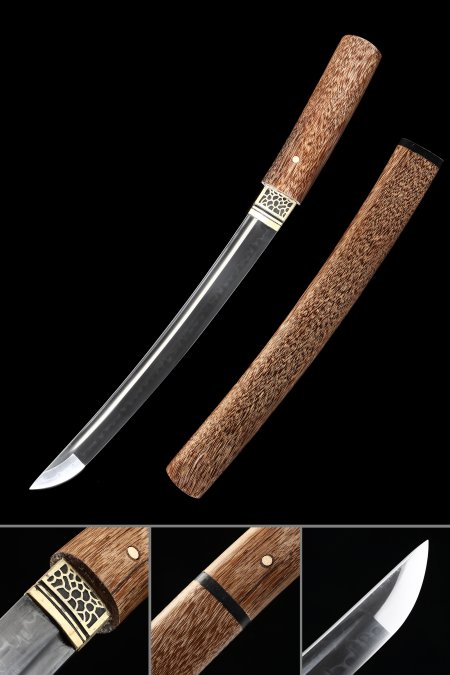
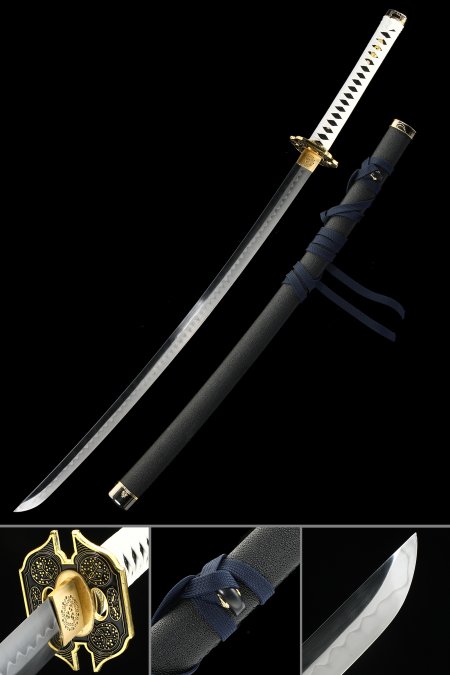
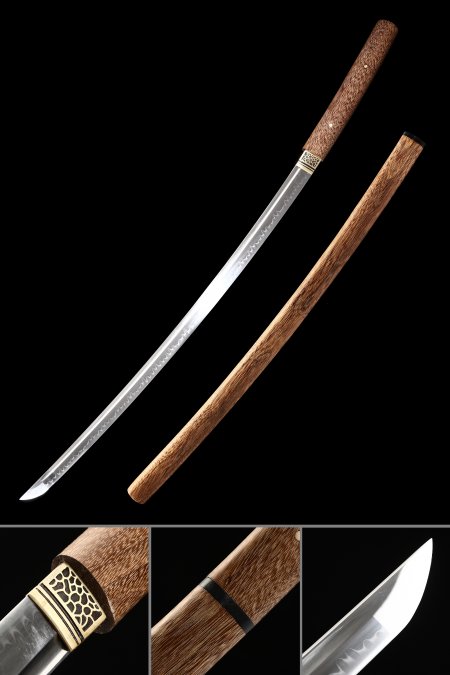
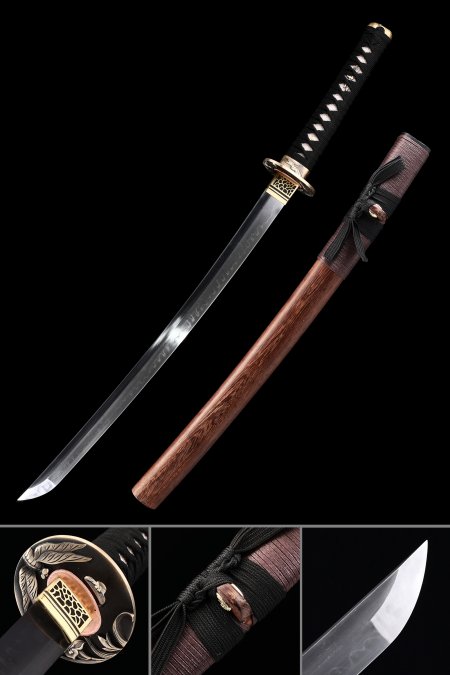
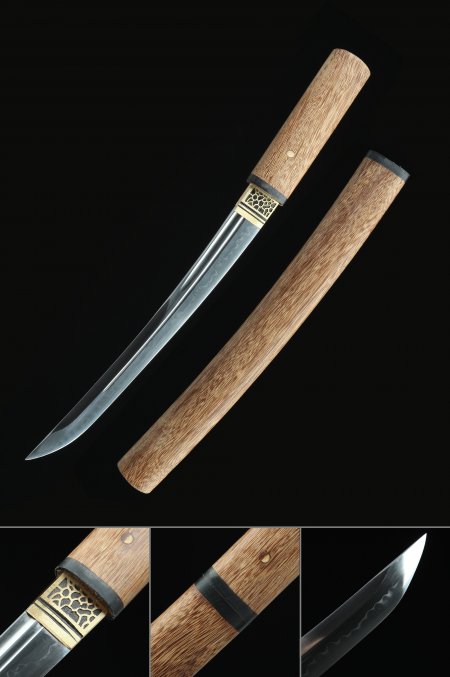
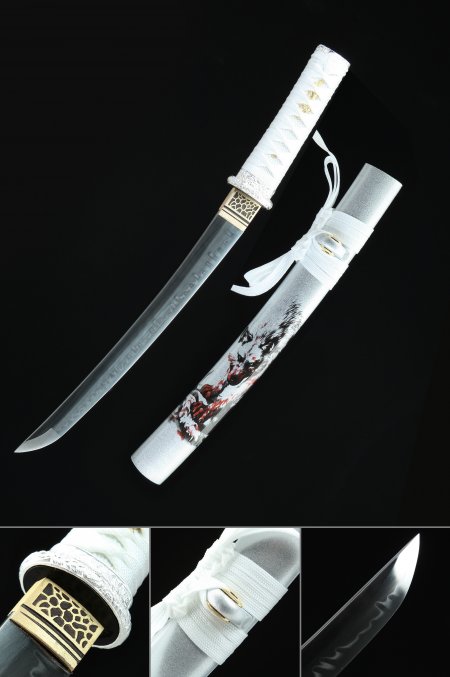
Differential clay tempering is the defining heat-treatment technique of Japanese blade craft. Before quenching, the smith coats the blade spine with thick clay and the edge with thin clay. During quenching in water or oil, the thinly coated edge cools rapidly and hardens into martensite (very hard crystalline structure), while the thickly coated spine cools slowly and remains as pearlite (tougher, more flexible). This creates a blade with a hard cutting edge that holds its sharpness and a resilient spine that absorbs impact without cracking. The visible hamon temper line marks the boundary between these two zones. On performance-grade steels like T10 and 1095, clay tempering produces particularly vivid and well-defined hamon patterns.