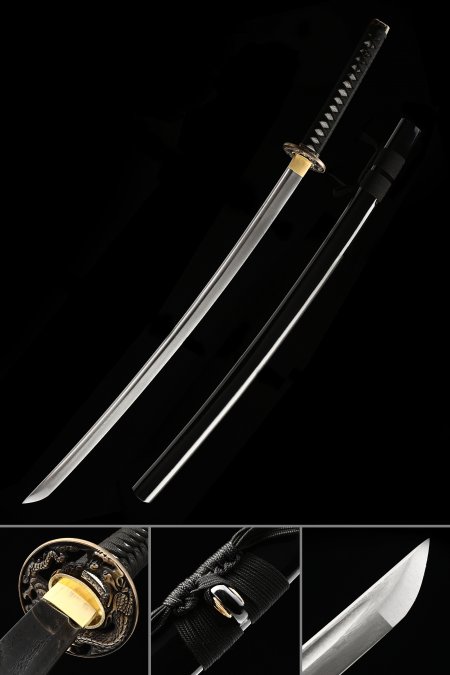
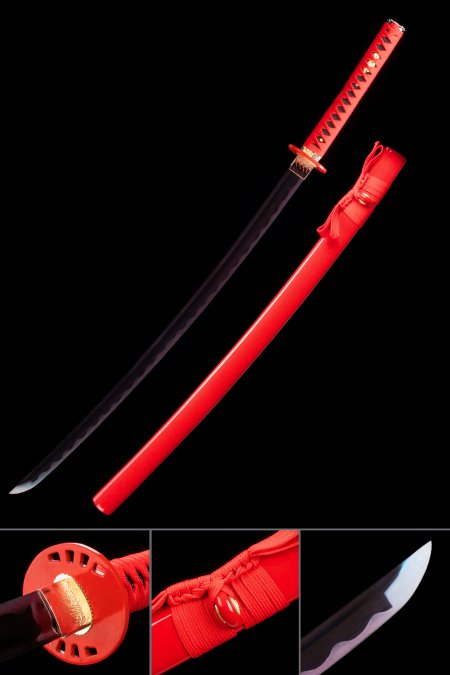
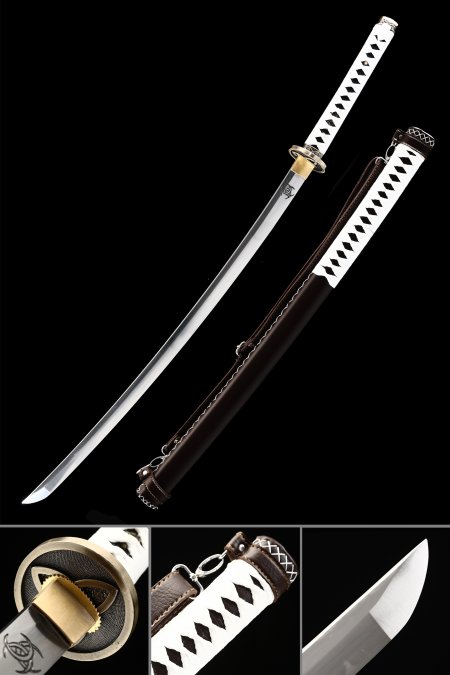
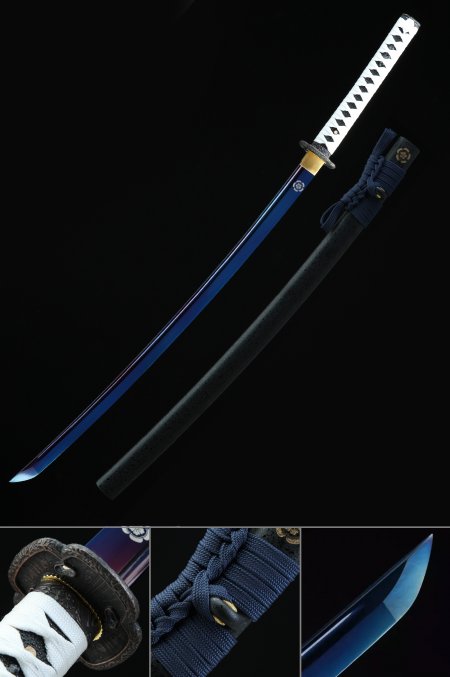
What does clay tempering contribute to a performance katana?
Updated Feb 2026
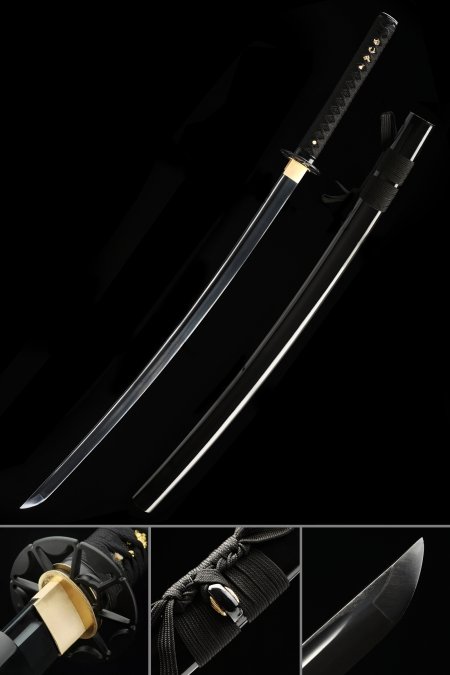
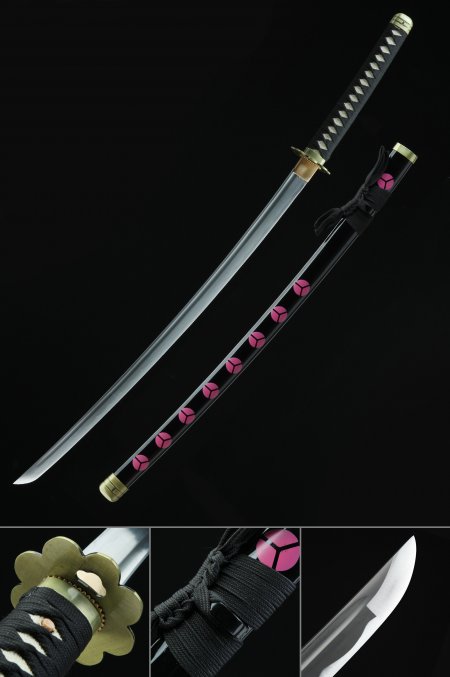
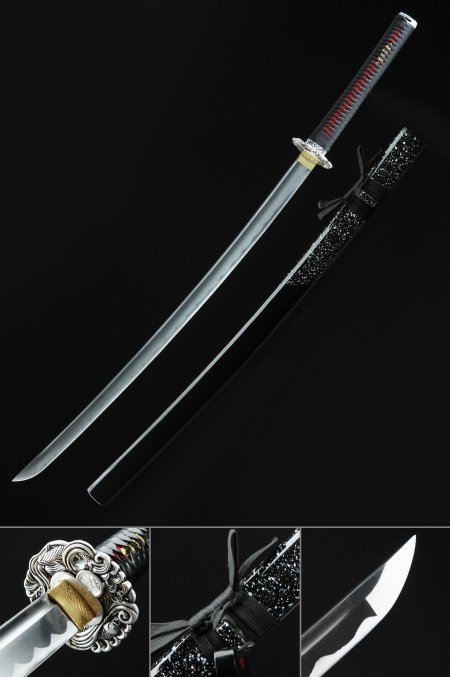
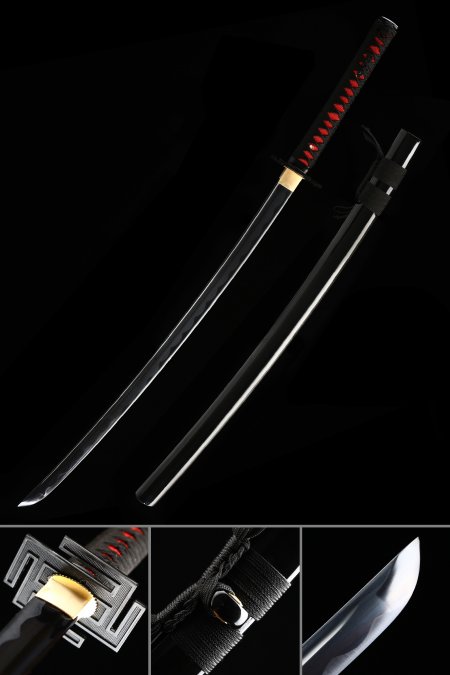
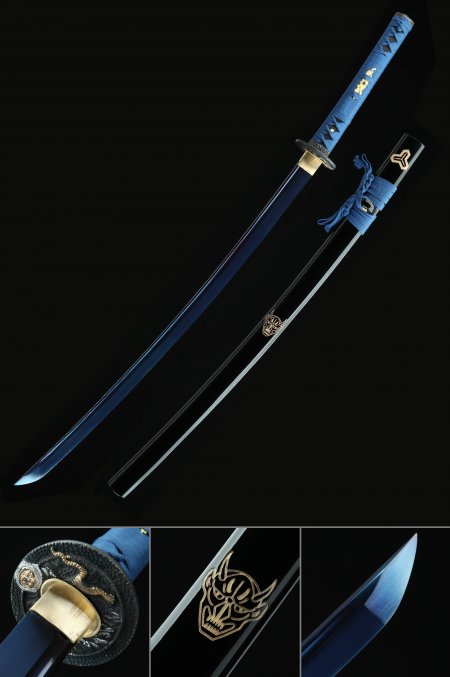
Clay tempering (also called differential hardening) is the process that gives a performance katana its dual-hardness structure. Before quenching, the smith applies a thick layer of clay to the spine and a thin layer to the edge. During quenching, the thinly coated edge cools rapidly and transforms into hard martensite steel, while the thickly coated spine cools slowly and retains a softer, tougher pearlite structure. The result is a blade with a hard cutting edge that holds sharpness well and a flexible spine that absorbs shock without cracking. This is the same technique used on historical Japanese swords and is considered essential for any katana intended for serious handling. The hamon temper line visible on the blade is the direct result of this process.