What traditional techniques are used to make an authentic samurai katana?
Updated Feb 2026
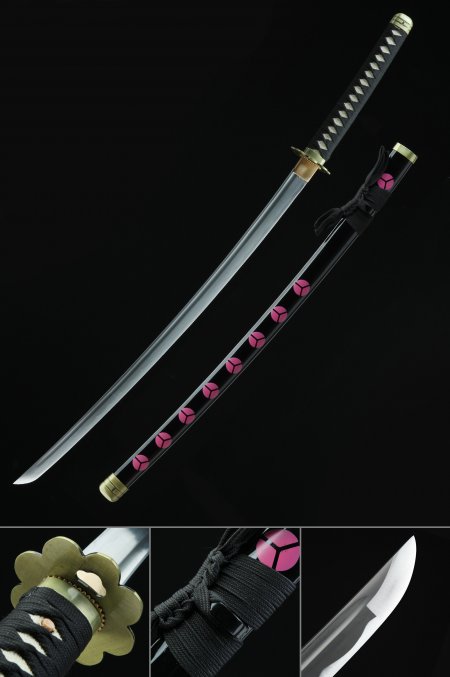
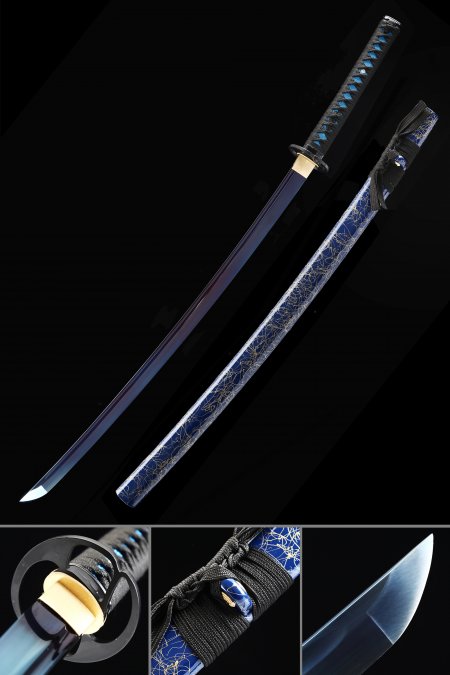
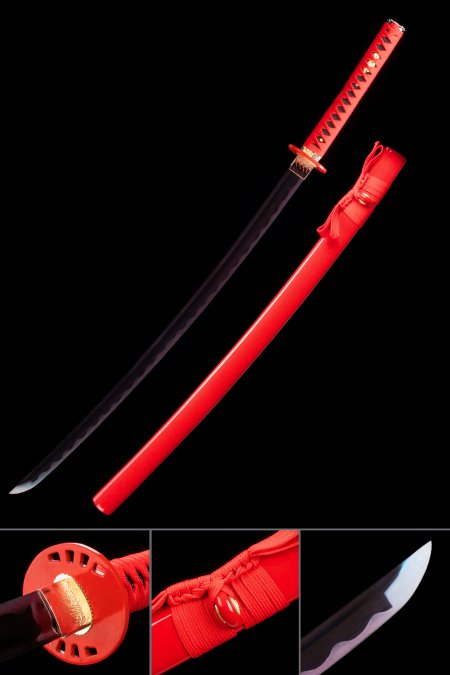
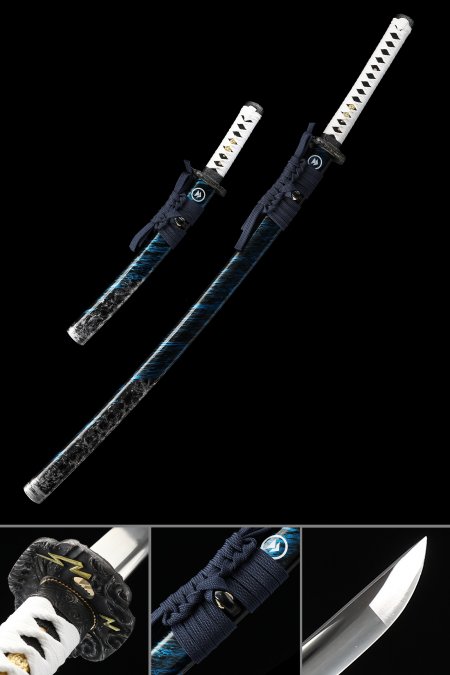
The forging process begins with a bar of high-carbon steel heated in a charcoal or gas forge until it reaches working temperature. The smith shapes the blade through repeated hammer strikes, establishing the blade geometry, curvature (sori), and ridge line (shinogi). Once shaped, the blade is coated with clay — thin on the edge, thick on the spine — and heated again before being quenched rapidly in water or oil. This differential hardening produces the hamon temper line and creates two distinct hardness zones. After tempering, the blade is ground, polished, and fitted with traditional handle components. The entire process is done by hand, with each step affecting the final blade’s characteristics.