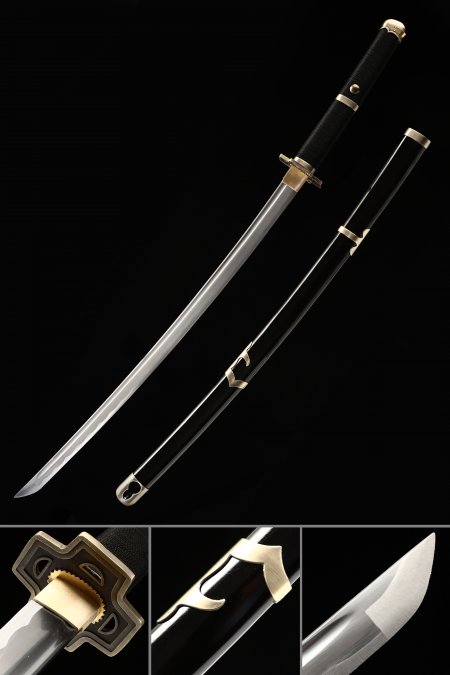
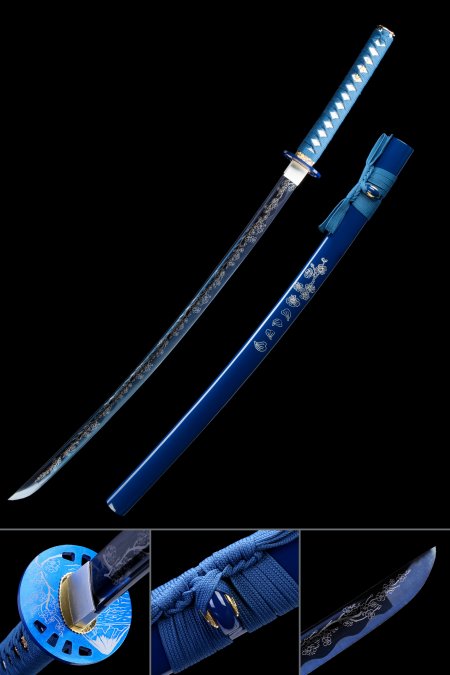
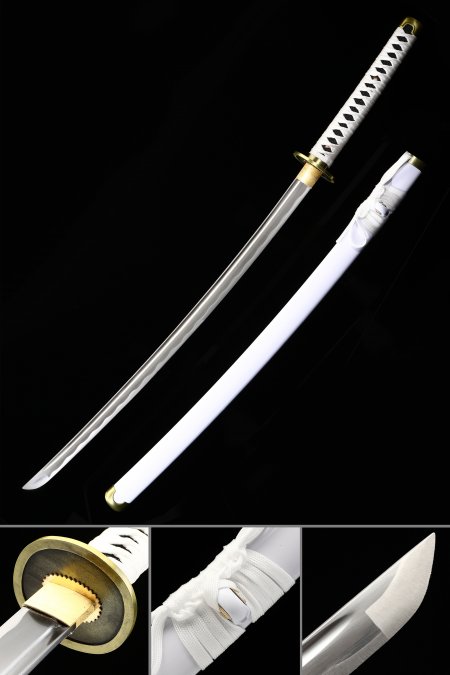
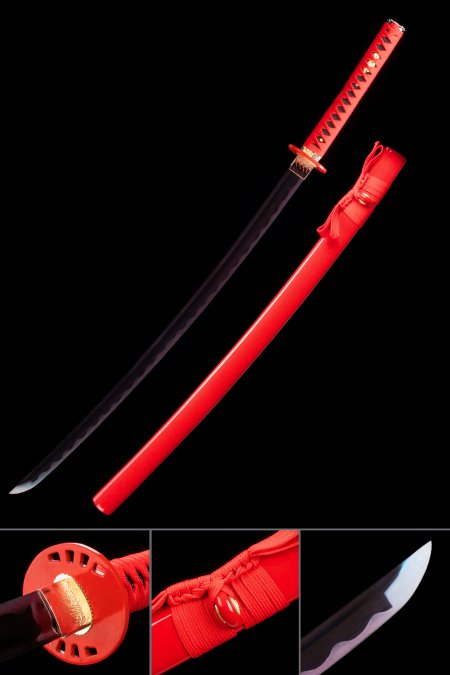
How does Chinese sword-making heritage influence these katana differently from Japanese-made pieces?
Updated Feb 2026
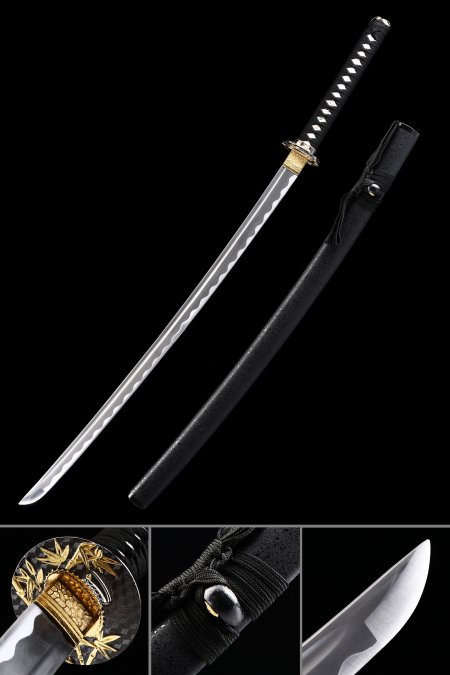
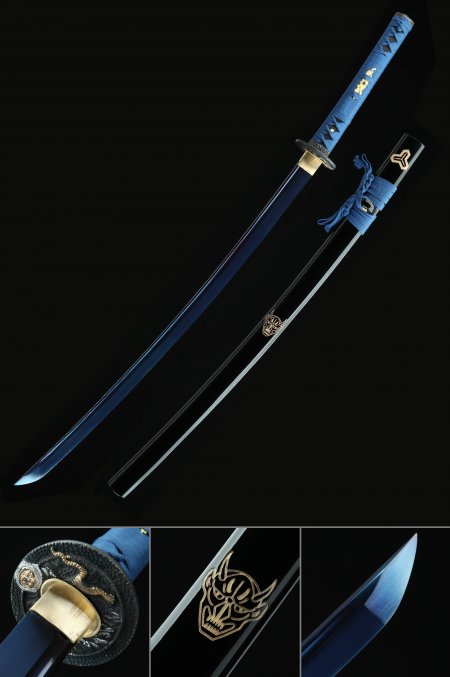
Chinese smiths bring their own forging traditions to katana production, which creates subtle but meaningful differences. Chinese pattern welding techniques sometimes produce different grain structures than Japanese folding methods, with distinct visual grain patterns on the finished blade. Heat treatment approaches may follow Chinese conventions that create slightly different hardness distributions than traditional Japanese clay tempering. Fitting metalwork often reflects Chinese decorative traditions — different mythological figures, different symbolic motifs, different casting and finishing techniques. The overall construction quality can be excellent, but the craft personality is distinctly Chinese even when the blade format is Japanese.