How does the Damascus pattern appear on a Qing Dynasty sword blade?
Updated Feb 2026
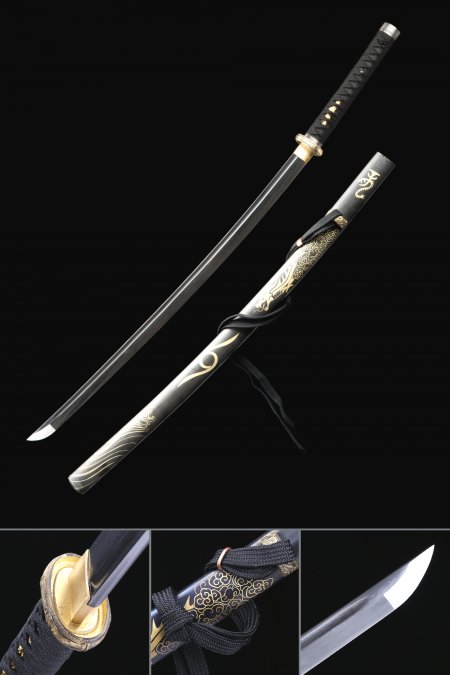
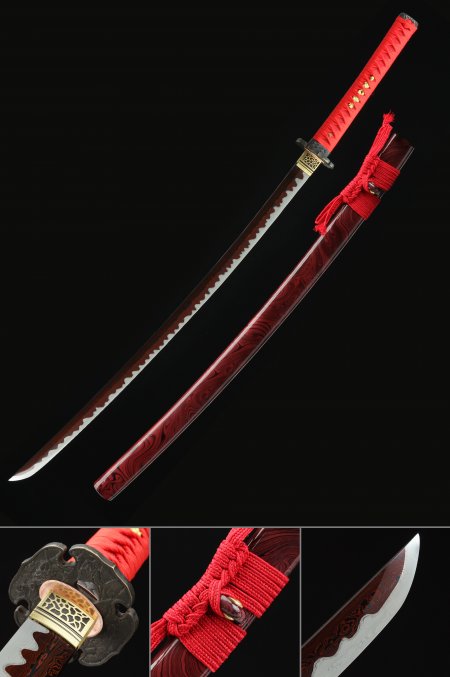
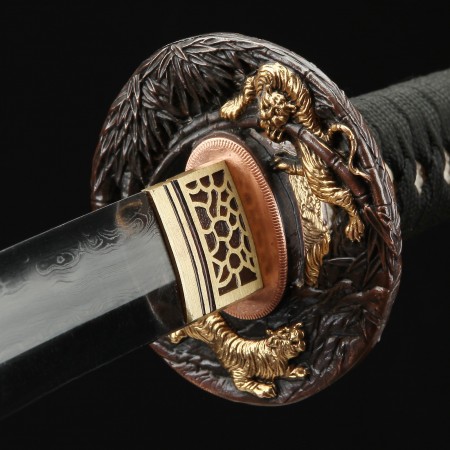
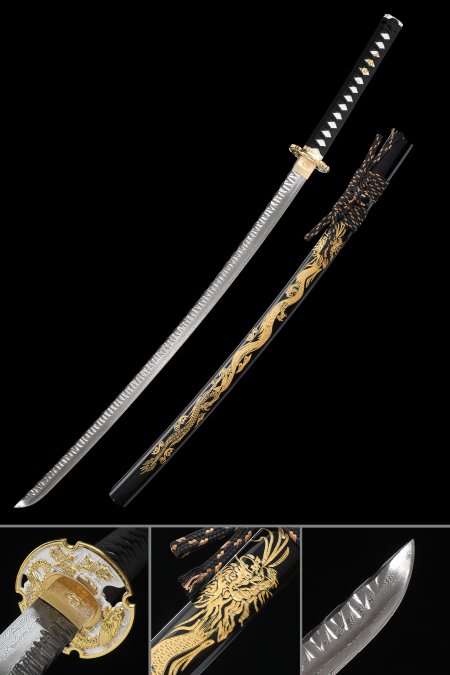
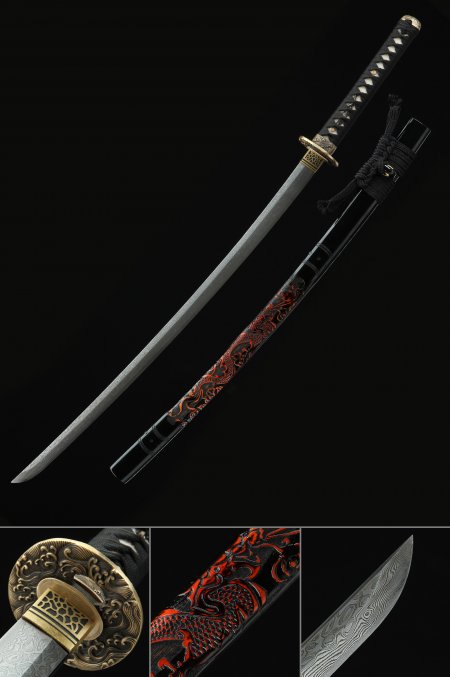
The Damascus pattern on a Qing Dynasty sword blade is visible as flowing, swirling layered bands across the blade surface, revealed through acid-etching of the polished steel after forging. On a double-edged jian straight blade, the patterns are visible simultaneously on both edges and the flat of the blade, creating a visual complexity that is particularly striking on the symmetrical straight form. On a single-edged dao saber blade, the patterns run from the spine across the flat to the sharpened edge, with the patterns following the blade's curve and taper in ways that create unique visual compositions in each blade. The pattern character varies between blades depending on how the steel was folded and manipulated during forging - some blades show tight ladder-like banding, others have smooth flowing water patterns, and others display random cloud-like distributions that cannot be predicted from blade to blade. The acid-etching process that reveals the pattern creates contrasting light and dark bands where different steel layers respond differently to the etchant, giving the Damascus surface a three-dimensional visual depth that conventional polished steel surfaces cannot replicate.