What distinguishes Japanese military katana mountings from traditional samurai sword mountings?
Updated Feb 2026
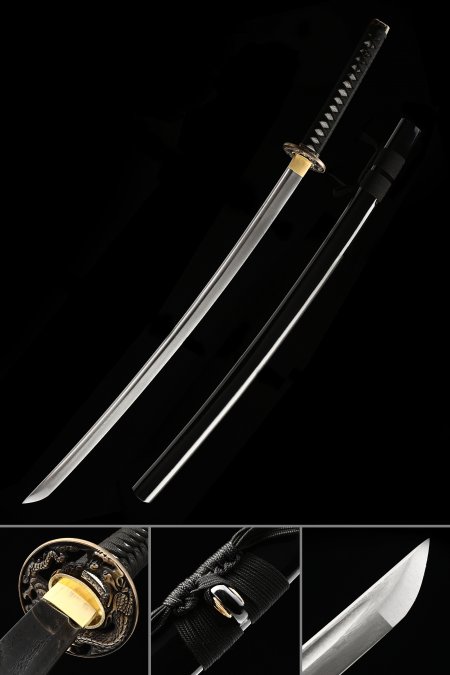
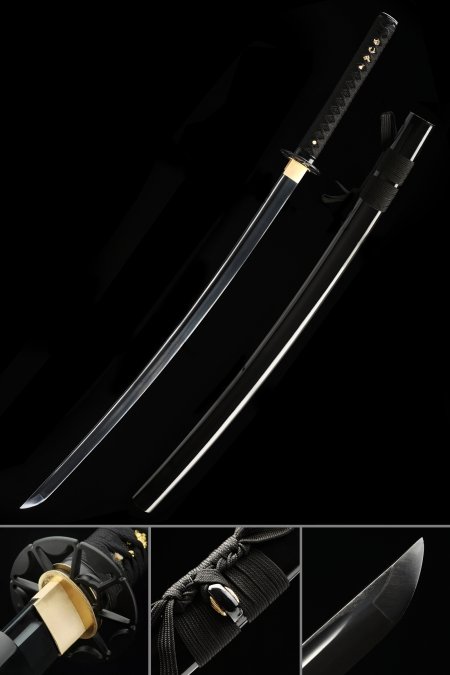
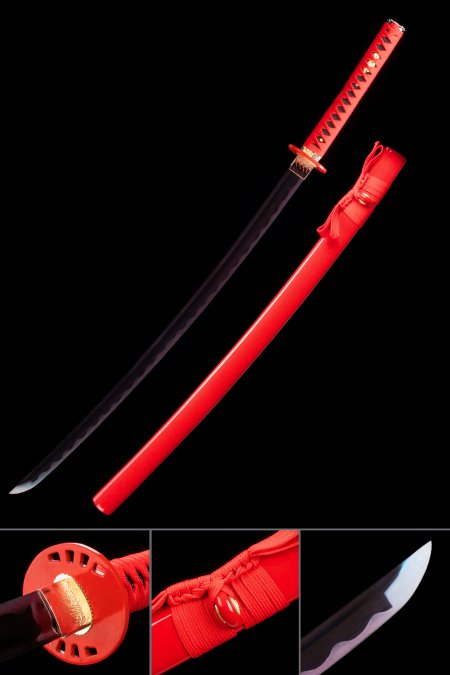
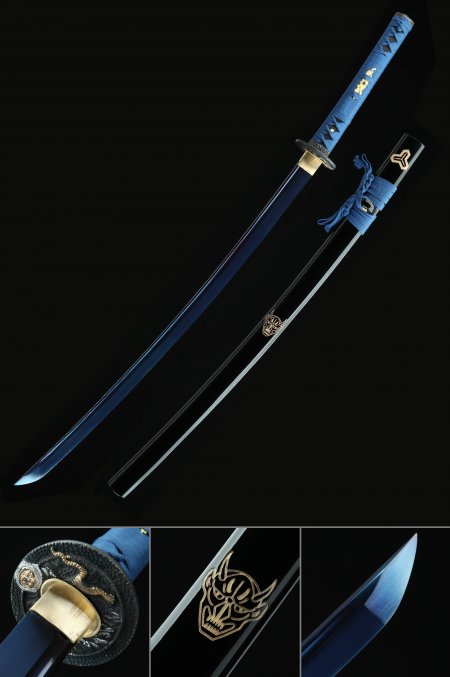
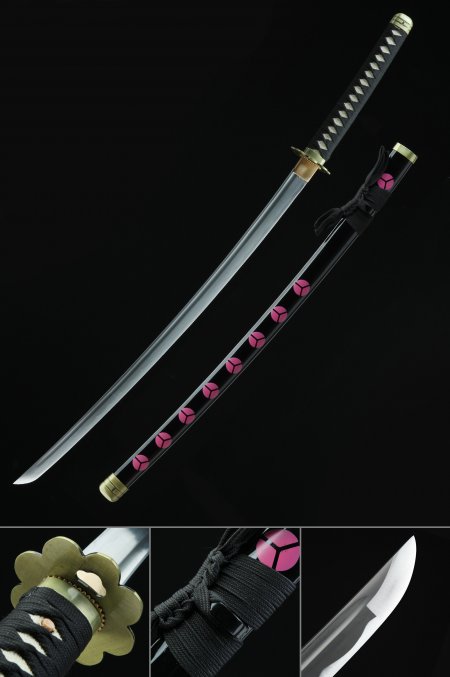
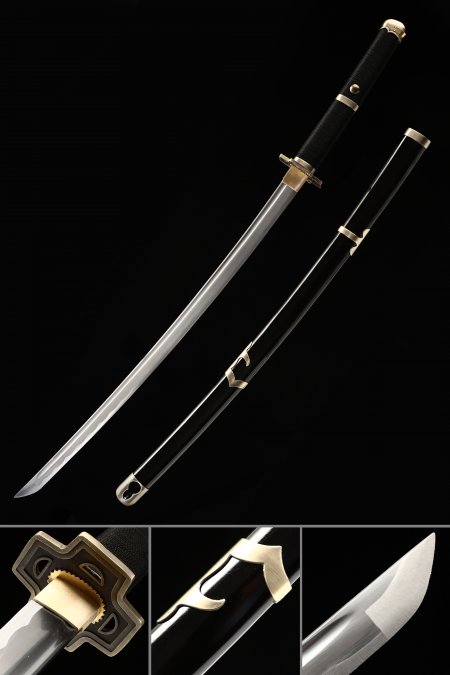
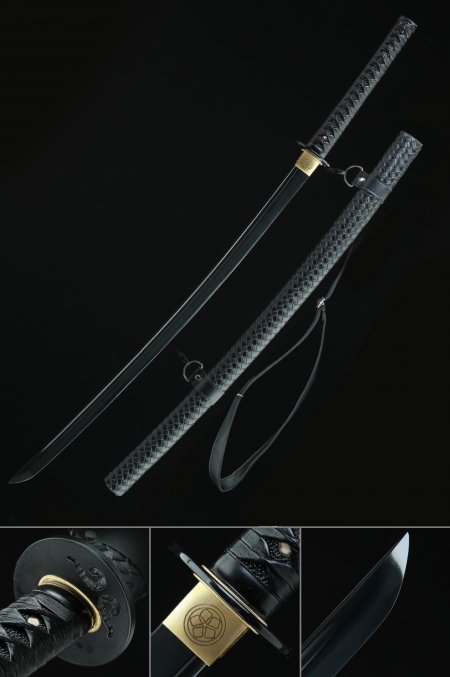
Military mountings differ from traditional samurai mountings in several visible ways that reflect their different functional contexts. Military scabbards are typically metal rather than lacquered wood, providing durability for field conditions. The tsuba guard is often simplified to a circular or oval plate rather than the elaborate sculpted designs of traditional swords. Handle wrapping uses cord over a base grip but with less ornamental refinement than traditional silk-wrapped tsuka. Military fittings include features absent from traditional swords: suspension rings for belt attachment, locking mechanisms to prevent accidental unsheathing during movement, and standardized dimensions for uniformity across issued equipment. The blade beneath these mountings may range from traditionally hand-forged steel commissioned by individual officers to machine-produced blades made for mass military issue.