What specific design elements make a tanto ‘modern’ versus traditional in its aesthetic approach
Updated Feb 2026
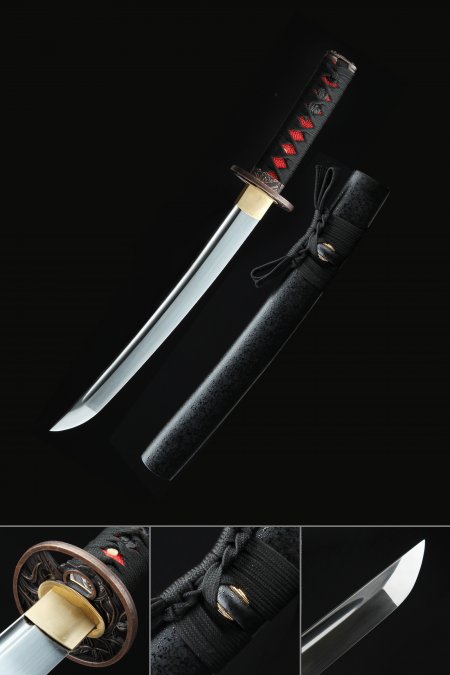
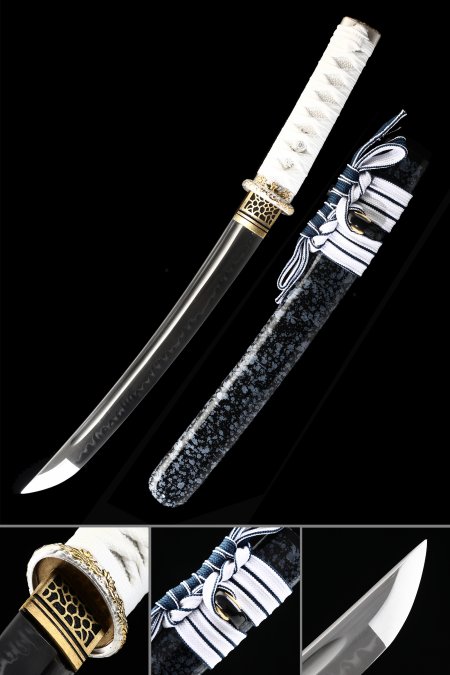
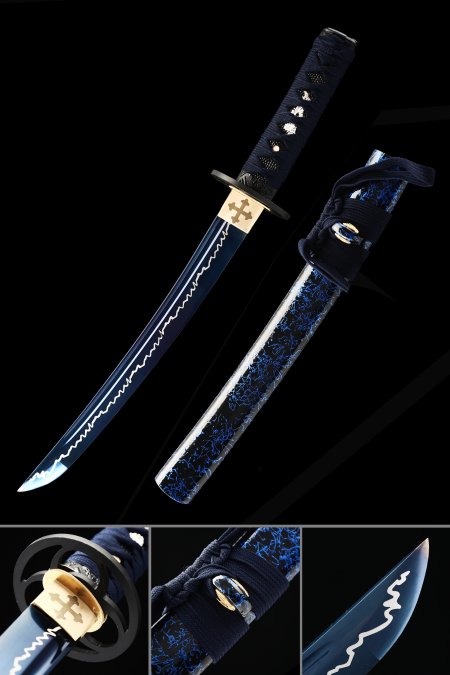
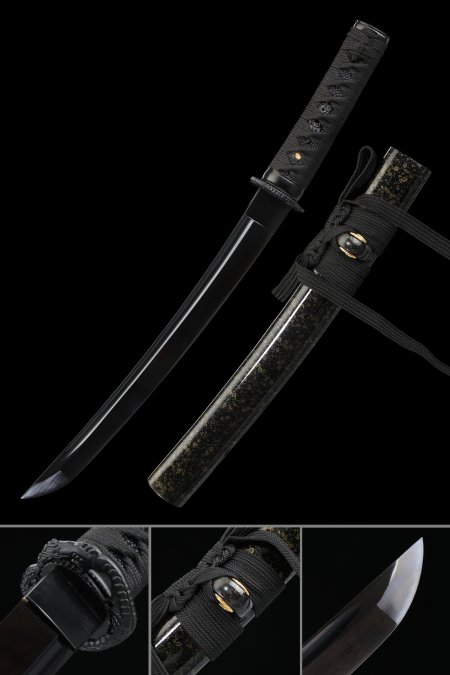
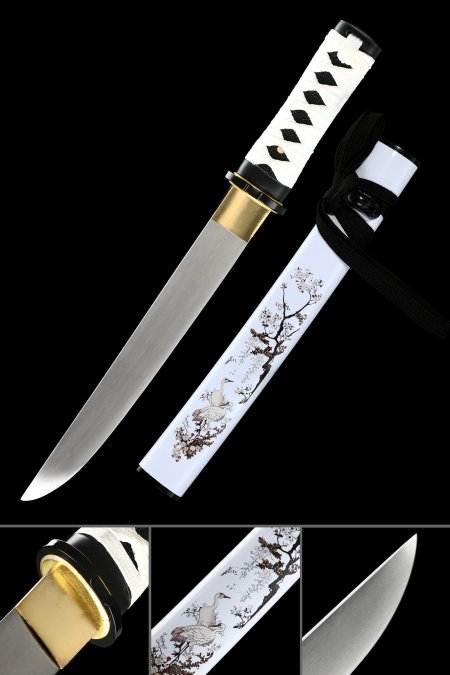
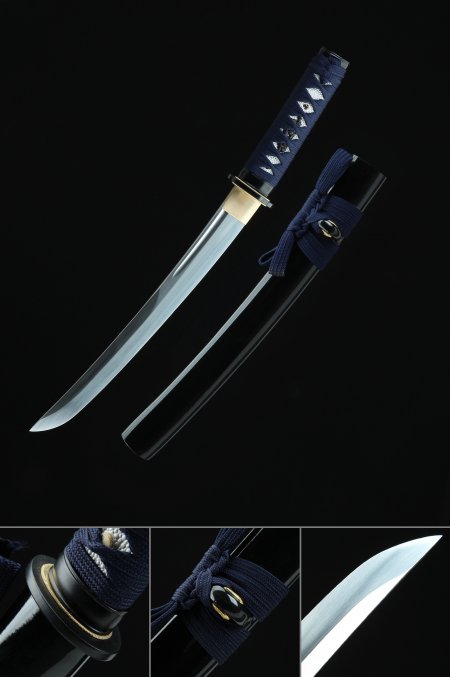
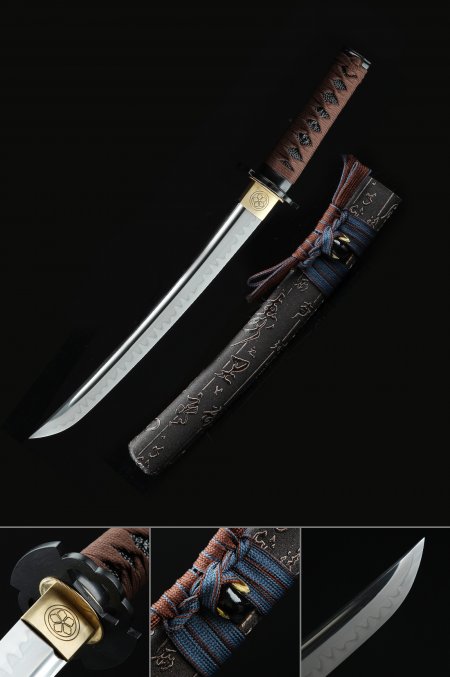
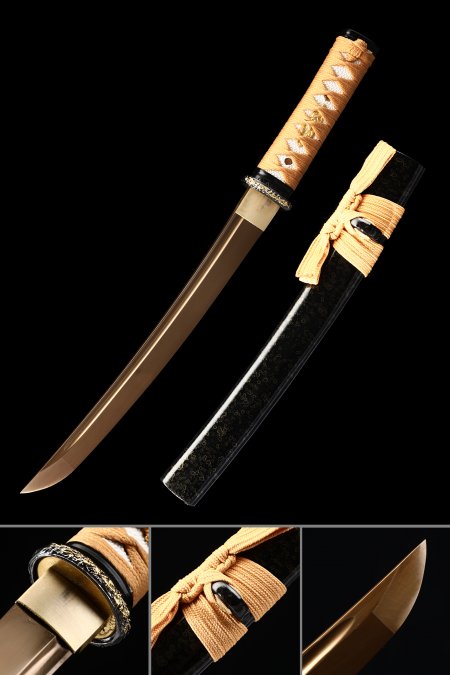
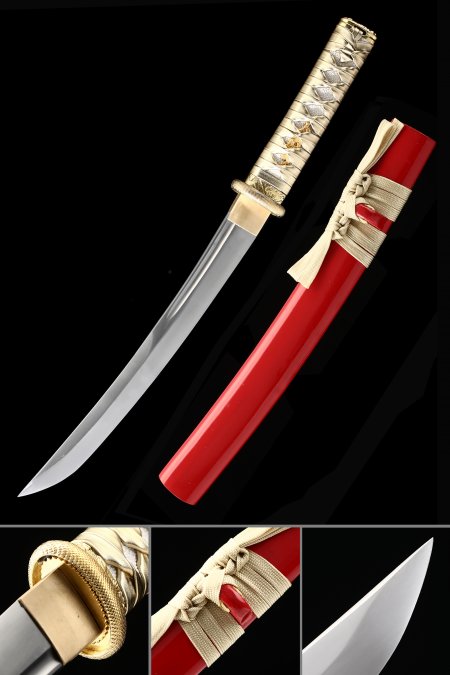
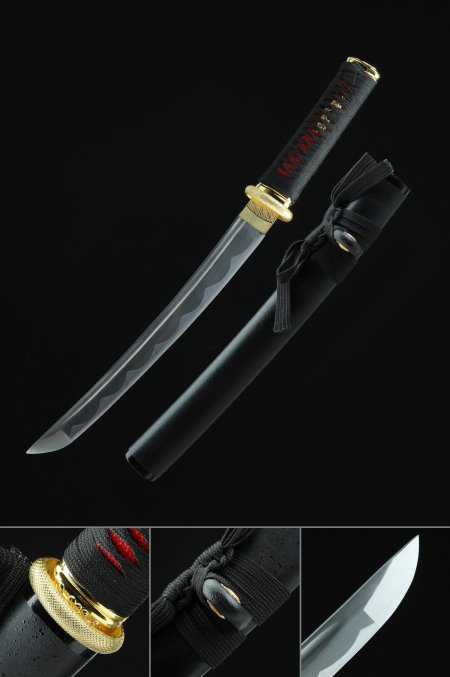
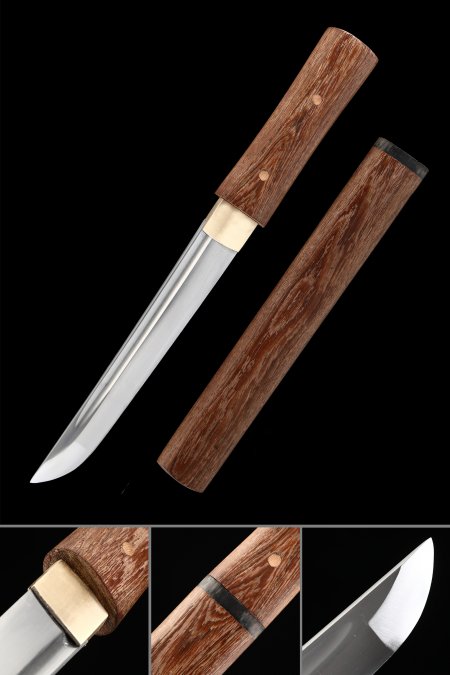
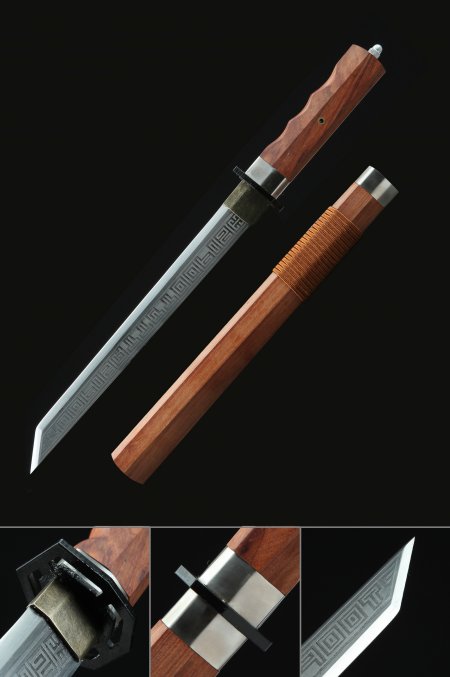
Modern tanto are distinguished from traditional pieces through several visual design choices that update the aesthetic language while preserving authentic construction. The most visible difference is typically in the fittings: modern tanto favor clean, geometric tsuba guard designs over the elaborate nature scenes and mythological figures found on traditional pieces. Handle wrapping may use updated color combinations — matte blacks, metallic grays, or monochromatic schemes — rather than the traditional contrasting colors common in classical Japanese wrapping. Scabbard finishes on modern tanto tend toward smooth lacquer, brushed textures, or matte surfaces rather than the high-gloss urushi lacquer and decorative patterns of traditional saya. The overall silhouette is typically more streamlined, with fittings that sit flush and compact rather than projecting ornamental detail. Crucially, none of these modern design choices affect the blade itself — the steel composition, forging process, heat treatment, and edge geometry remain identical to traditional equivalents.