Why do ninja swords specifically suffer from a quality gap that katana and other Japanese swords do
Updated Feb 2026
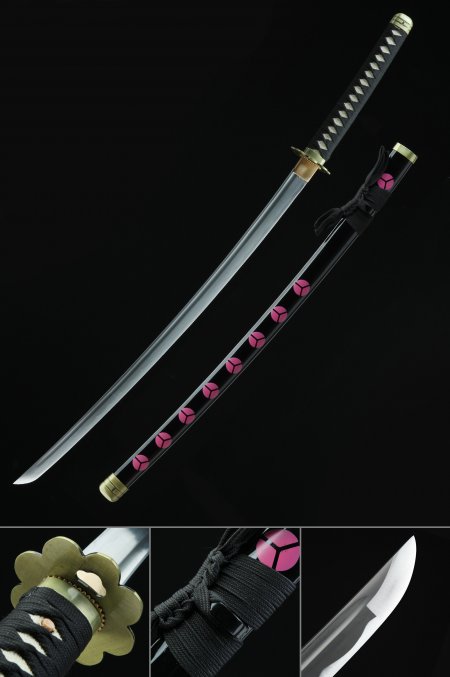
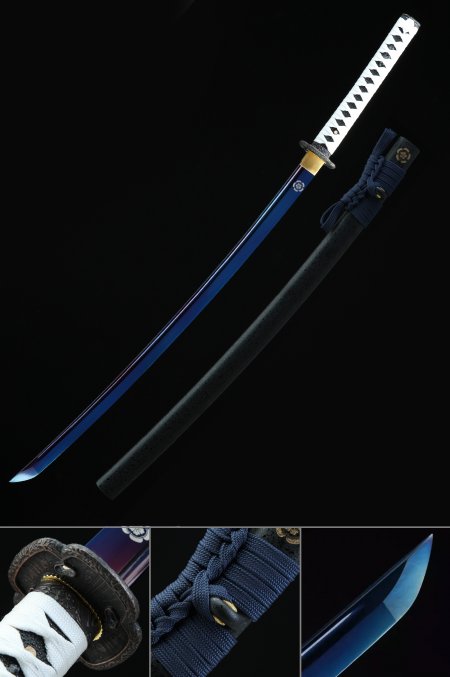
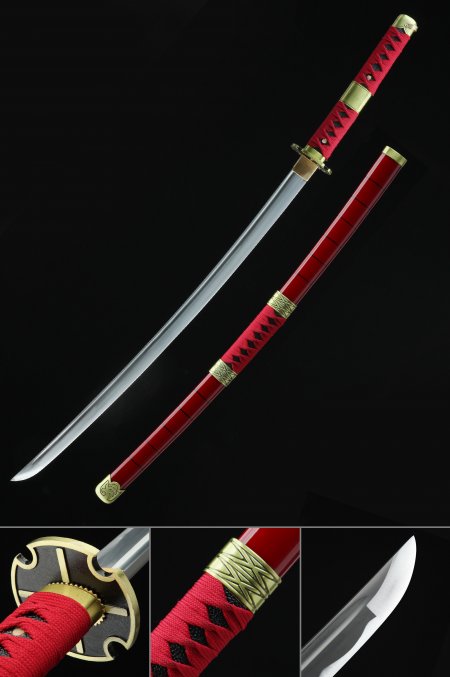
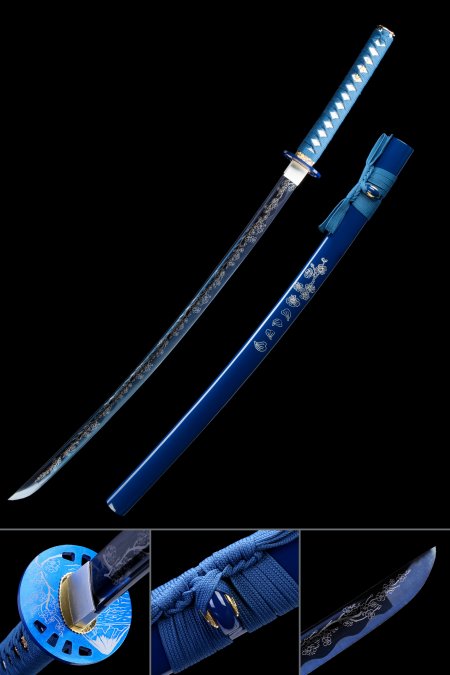
The quality gap in ninja swords stems from their cultural positioning in the Western market. Katana entered Western consciousness primarily through martial arts practitioners, sword collectors, and Japanese culture enthusiasts — audiences who valued authenticity and construction quality from the beginning. Ninja swords, by contrast, entered Western awareness primarily through entertainment media: movies, television, video games, and toy lines. This entertainment-driven demand created a market where visual appearance mattered more than construction quality, and manufacturers responded by producing large volumes of ninja-styled objects designed to look the part at low price points rather than function as genuine swords. Decades of this dynamic established consumer expectations around ninja swords as decorative or costume items rather than serious blade collectibles. The result is a market where a buyer searching for ninja swords encounters far more costume-grade products than genuine blades compared to the katana market. This collection exists specifically to curate ninja-format swords that meet genuine blade construction standards, providing collectors a reliable path to warrior-grade ninja swords without navigating the decorative-product landscape.