Is a dragon tsuba historically accurate for Japanese katana?
Updated Mar 2026
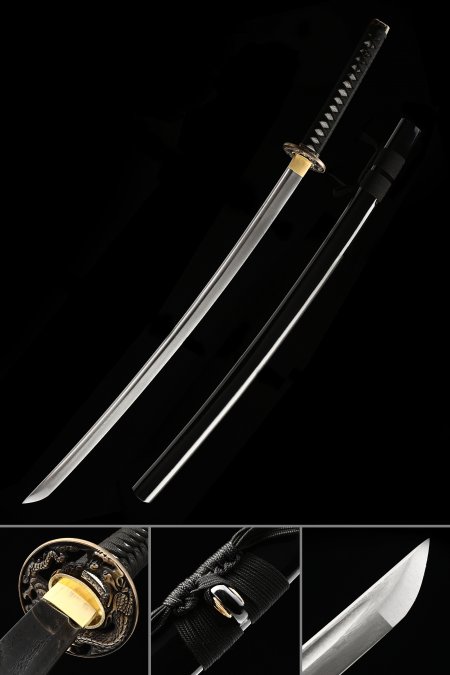
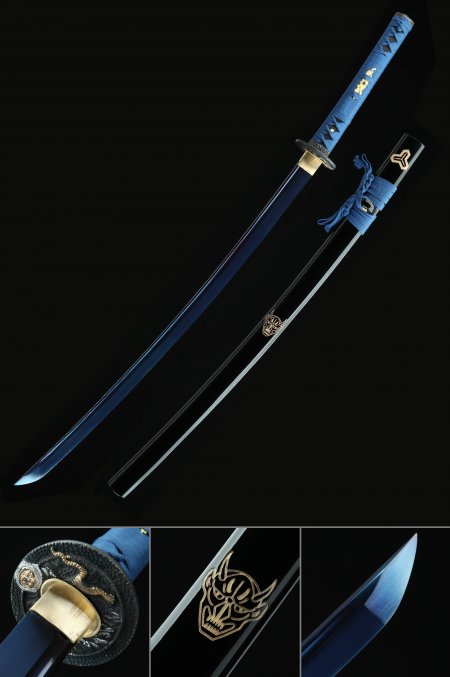
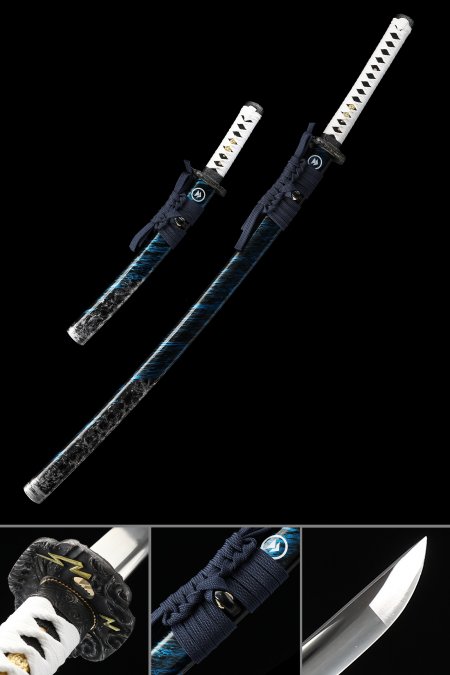
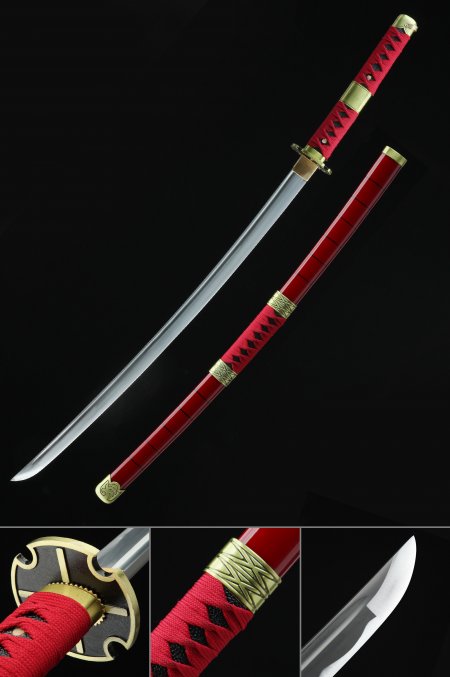
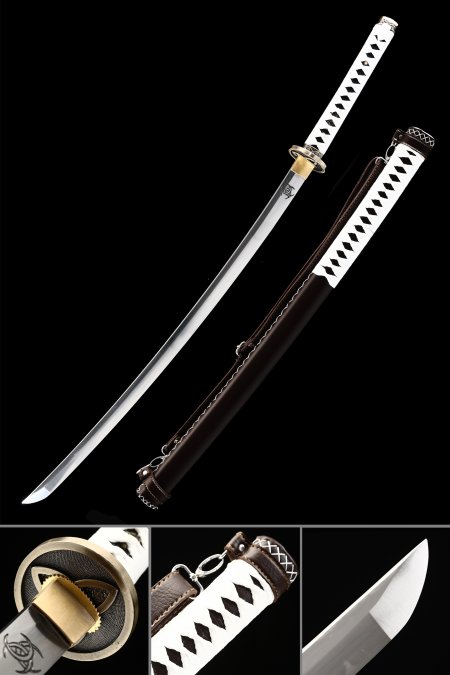
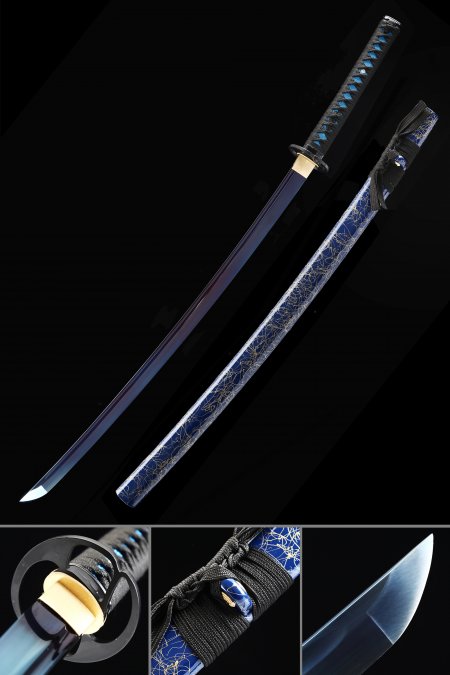
Dragon motifs - known as ryu in Japanese - have a long, well-documented history in Japanese decorative metalwork, including tsuba. Dragons appear extensively in Edo-period tsuba craftsmanship, rendered in iron, shakudo (a copper-gold alloy), and brass by schools such as the Goto and Myochin traditions. They carried symbolic associations with water, protection, and imperial power, making them popular subjects for samurai-class commissioned fittings. An iron tsuba with a dragon motif is therefore not an invented fantasy element - it draws on a genuine design tradition that spans several centuries of Japanese sword furniture. For collectors, an iron-constructed tsuba with hand-finished dragon imagery represents both decorative authenticity and material substance: iron tsuba are denser and more visually present than alloy castings, and their surface develops a natural oxidation patina over time that enhances rather than detracts from their display quality.