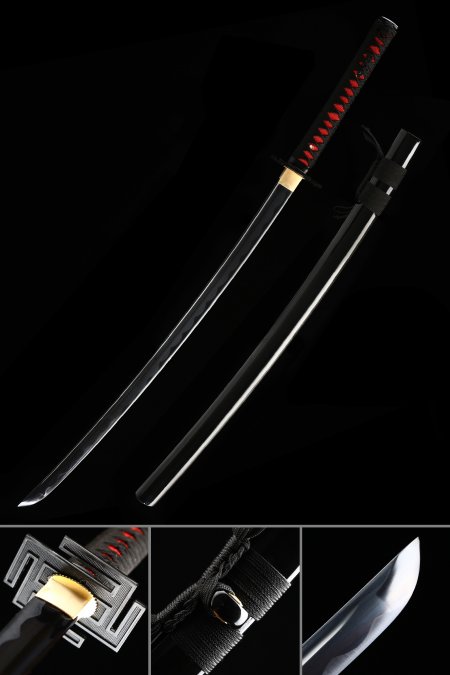
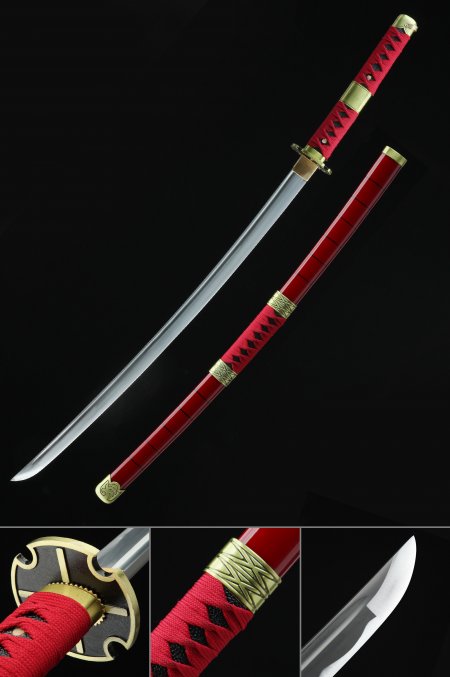
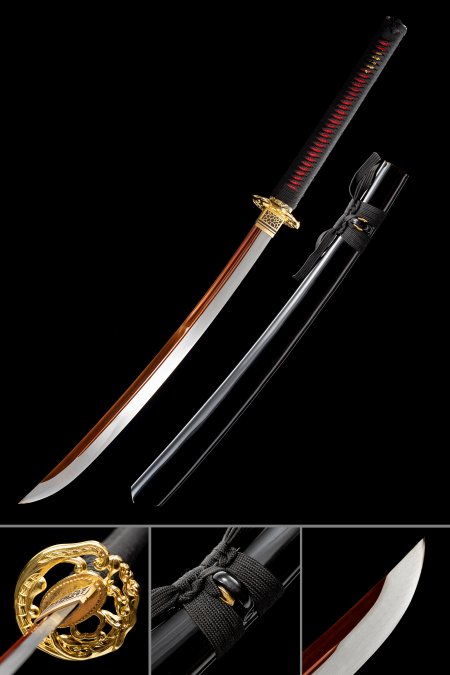
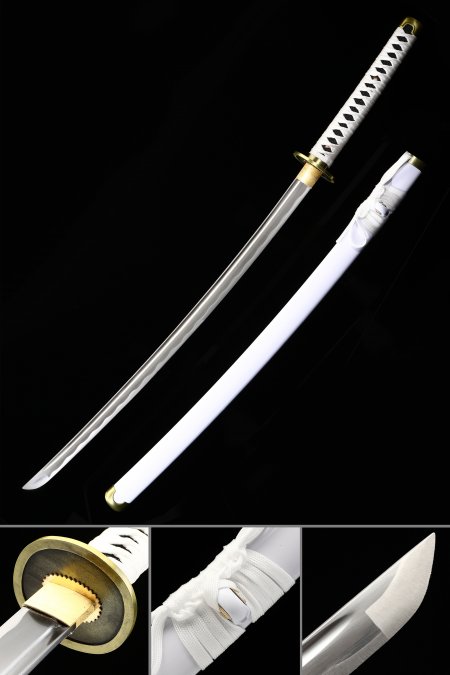
How is a naginata different from a katana or nodachi?
Updated Mar 2026
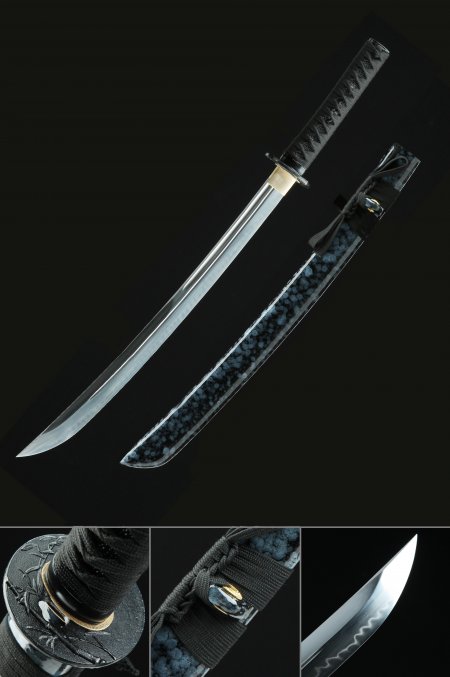
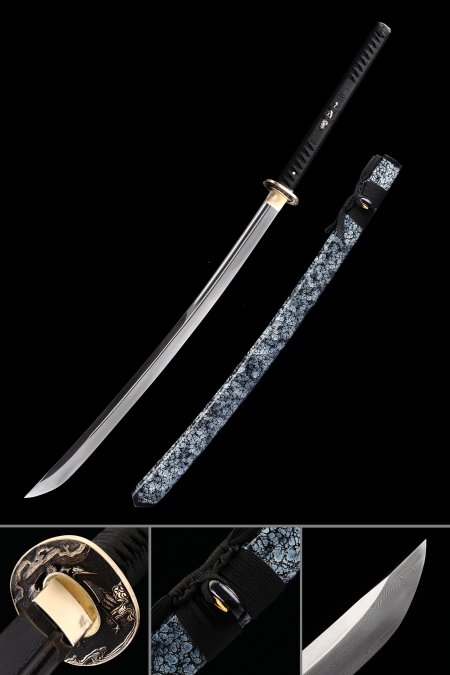
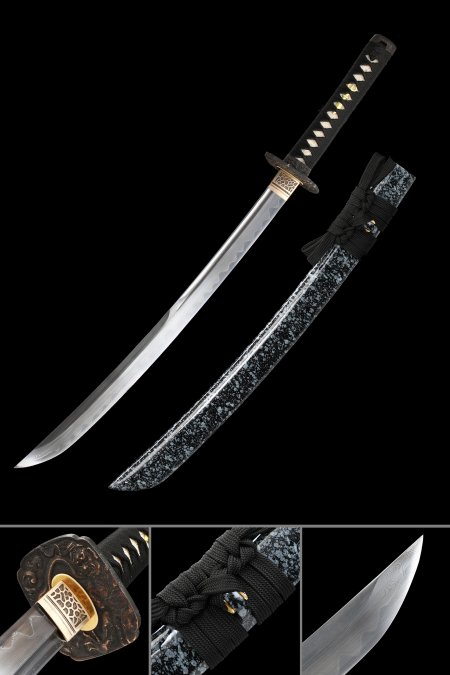
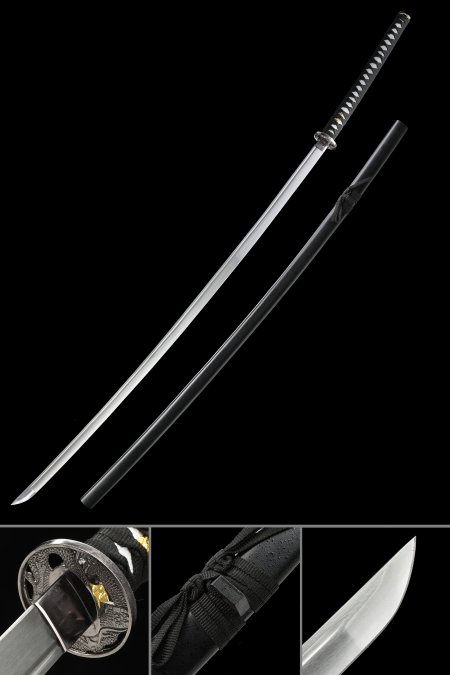
While a katana is a one-handed or two-handed short sword and a nodachi is an exceptionally long two-handed sword worn on the back, a naginata is fundamentally a polearm — a curved blade mounted on a long wooden or composite shaft that historically ranged from five to nine feet in total length. This configuration shifts the blade's function from thrusting and close cutting to sweeping arcs that take advantage of the shaft's leverage. For the display collector, the distinction is mostly aesthetic: the naginata's proportions are dramatically different from any sword type, making it a visually arresting centerpiece rather than a wall-mounted complement. The blade itself is typically shorter than a nodachi blade but features a more pronounced curve and a distinct machi — the notch separating blade from tang — designed to allow the blade to be removed and replaced on the shaft.